The full answer
Honey does not appear on veterinary lists of foods that poison dogs, and a lick of it is not an emergency. That is the reason it is classified here as LIMIT rather than AVOID: the concern is not toxicity, it is sugar.
Honey is roughly three-quarters sugar by weight and very calorie-dense. A teaspoon carries about as many calories as a small dog should get from treats in an entire day. Fed regularly, sugary extras contribute to weight gain, and weight gain has real consequences for joints, breathing and general health. There is also the dental angle: sticky sugar is not something you want coating a dog's teeth.
Honey is genuinely unnecessary in a dog's diet. There is nothing in it that a complete dog food does not already supply, and we would not add it to homemade treats when a mashed banana or a little plain pumpkin does the same job with less sugar.
We also want to be direct about the health claims. Honey is widely recommended online for allergies, kennel cough, sore throats, wounds and upset stomachs. We do not recommend it for any of those things. Coughing, itching, digestive illness and wounds all need a diagnosis, and treating them at home with a sugar syrup can delay care that actually helps. Manuka and medical-grade honey products used on wounds in veterinary practice are used by vets, on wounds they have assessed, and that is not the same as putting kitchen honey on a dog's cut.
One more practical caution: honey is not suitable in any quantity for a dog whose diet needs strict control. Dogs with diabetes, obesity, pancreatitis, dental disease, or on a prescription diet should have sugar decisions made by their vet, and puppies do not need it at all.
Is Honey Good for Dogs?
Honey contains trace amounts of minerals and plant compounds, but in the quantity a dog would ever eat those amounts are nutritionally irrelevant. Its only real function for a dog is palatability — it makes something taste sweet. If you want a natural sweetener for homemade treats, mashed banana, plain pumpkin or unsweetened apple purée give flavour with far less sugar.
Potential benefits
- Not toxic — an accidental lick is not a cause for alarm
- Highly palatable, so a very small amount can make a treat appealing
- Contains trace minerals and plant compounds, though not in nutritionally meaningful amounts for a dog
Risks and Things to Know
- Roughly three-quarters sugar and very calorie-dense — easy to overfeed by accident
- Contributes to weight gain and dental problems when given regularly
- Not suitable for dogs with diabetes, obesity, pancreatitis or on a prescribed diet without veterinary advice
- Large amounts commonly cause vomiting and diarrhoea
- Not a treatment for allergies, coughing, wounds, infections or digestive illness
- Honey-flavoured products, syrups and sweetened spreads may contain other unsuitable ingredients — always check sugar-free products for xylitol, which is dangerous to dogs
How Much Can Dogs Eat?
If you use honey at all, a trace is enough — a smear rather than a spoonful, and only occasionally.
We would not build honey into regular treats. Puppies, dogs with health conditions and dogs who need strict dietary control should not be given honey without individualised veterinary guidance.
How Should I Prepare It?
- Use plain honey only, never honey-flavoured syrups or spreads
- Keep the amount to a trace, mixed into or smeared on something rather than offered from a spoon
- Check any sugar-free or diet product for xylitol before your dog goes near it
- Do not apply honey to wounds, cuts or hot spots — have those looked at
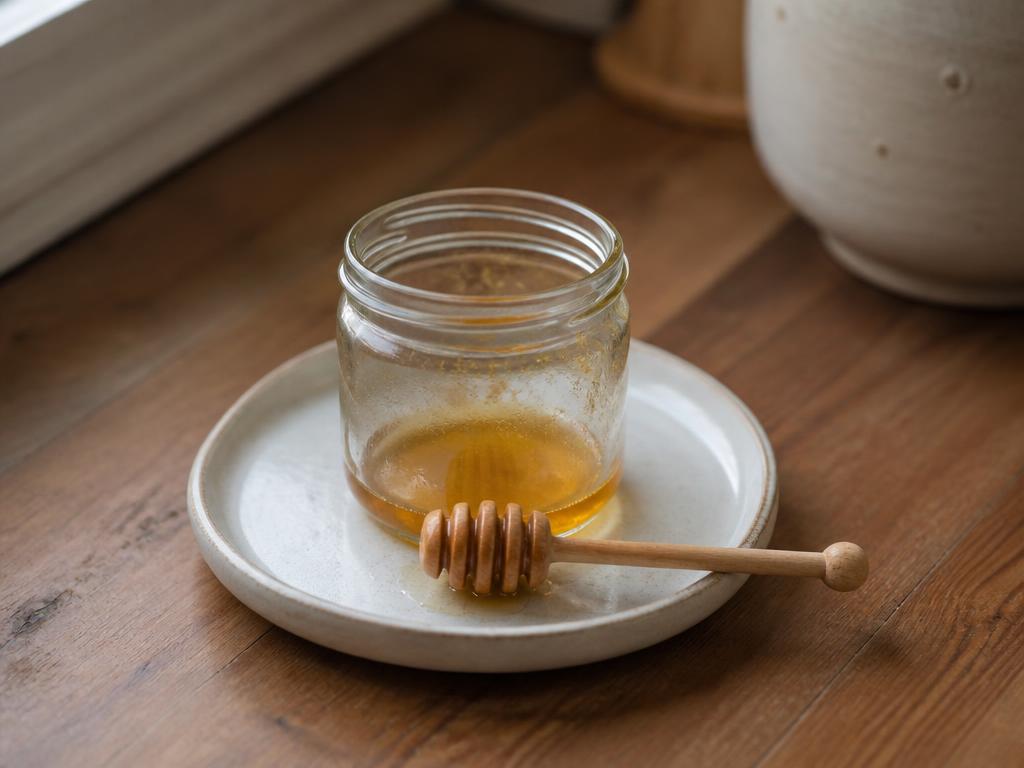
- Store the jar out of reach; dogs who find an open jar will finish it