Dog food safety, made simple
Can My Dog Eat This?
Search our dog-friendly food guide to discover what's safe, what isn't, and how much your dog can have.
Popular searches: BlueberriesBananaEggsRicePeanut Butter
How we label foods
Every food in our database carries one of four labels, always shown in words as well as colour.
Generally considered dog-friendly when served appropriately.
Can generally be eaten but portion size or preparation matters.
Not recommended for dogs.
Potentially dangerous and should not be intentionally fed to dogs.
Popular Foods for Dogs
See all foods
Other
Alcohol
Alcohols are absorbed readily from the gut and through skin and can rapidly cause inebriation, metabolic acidosis, low body temperature and central-nervous-system depression; severe cases can lead to coma, seizures or death, and there is no specific antidote.
Nuts & Seeds
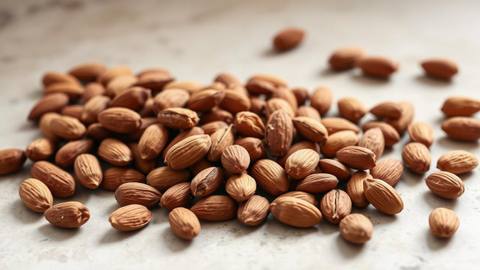
Almonds
Almonds are not toxic to dogs in the way macadamia nuts or grapes are. The reasons to skip them are practical: whole nuts can choke or block, the fat can upset digestion, and most almond products are salted, coated or flavoured.
Fruit
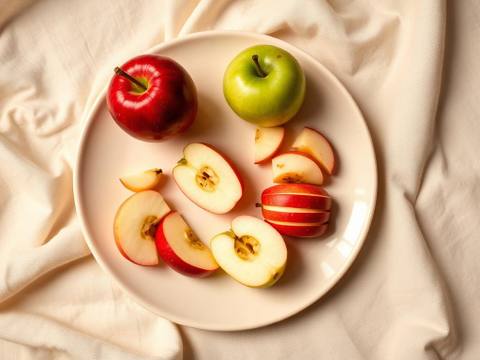
Apples
Apples can be an occasional treat for many dogs when served plain and properly prepared. They contain fiber and several nutrients, but they also contain natural sugar and should not replace a complete and balanced diet. Wash the apple, remove the stem, seeds and core, and cut the flesh into appropriately sized pieces before serving.
Fruit
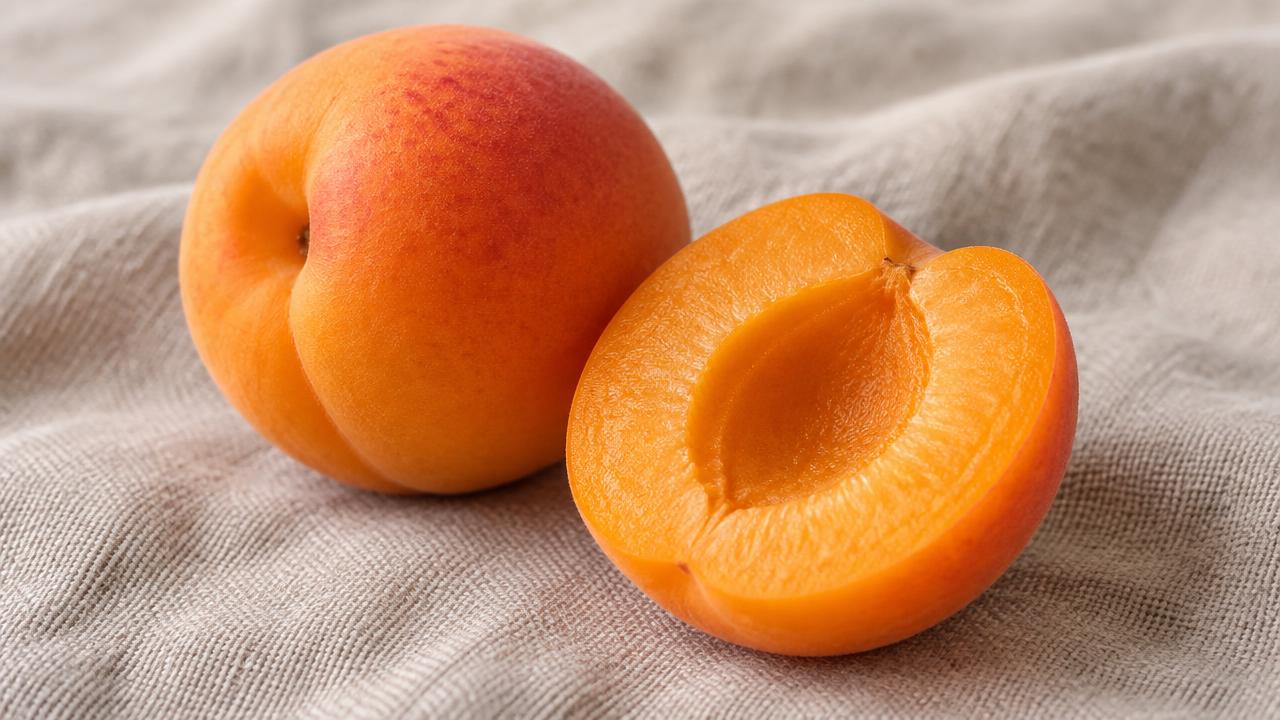
Apricots
Only the flesh is part of this rating. Remove the pit and stem every time, and keep leaves and tree material away from dogs.
Vegetables
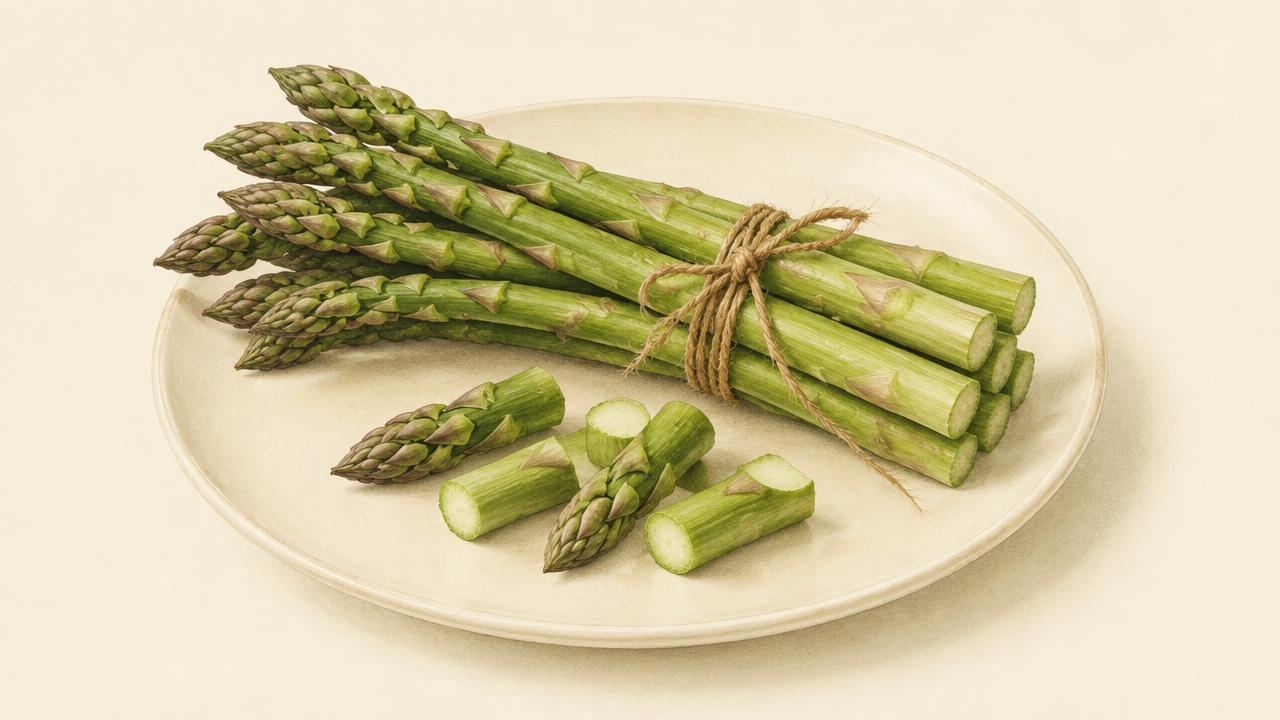
Asparagus
Asparagus itself is not poisonous to dogs. The concerns are texture and size: raw or woody spears are hard to chew and can cause choking or a blockage, and larger helpings may upset the stomach. The garden plant called asparagus fern is a separate plant and is not the vegetable.
Fruit
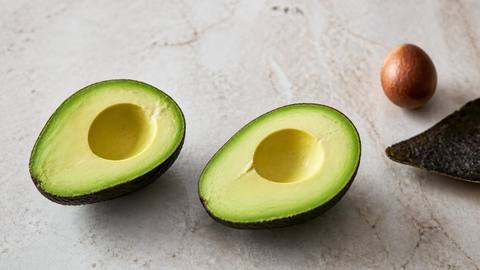
Avocado
Dogs are much less sensitive to avocado than birds and some livestock. The practical dog risks are the pit, which can choke or block, the high fat content, and guacamole, which usually contains onion and garlic.

Meat
Bacon
Bacon is cured, salty and very fatty. It is not treated as a canine toxin, but it is not a treat we would offer.
Fruit
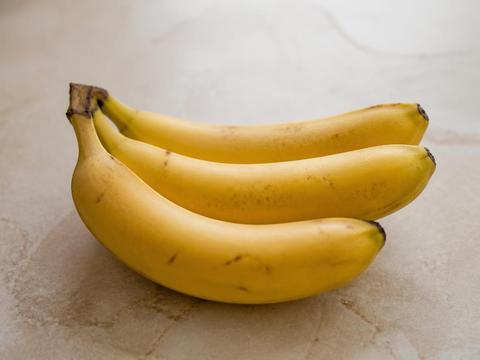
Banana
Peeled banana flesh is not toxic to dogs and is a common ingredient in homemade treats. It is relatively high in natural sugar, so keep servings small.
Latest Dog Treat Recipes
All recipes
Salmon & Sweet Potato Bites
Soft baked bites made with plain cooked salmon, cooked sweet potato and oats. No salt, no oil and no seasoning.
Main ingredients: Salmon, Sweet potato, Oats, Egg
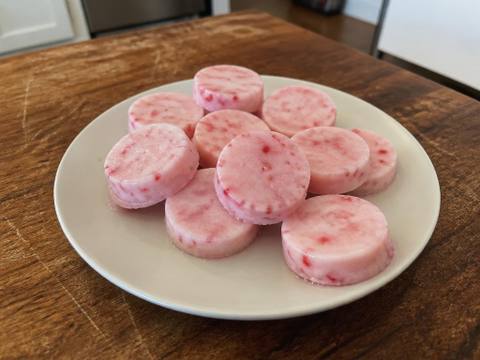
Strawberry Yogurt Frozen Bites
Two-ingredient frozen treats made with fresh strawberries and plain unsweetened yogurt. No added sugar or sweeteners.
Main ingredients: Strawberries, Plain yogurt

Apple Peanut Butter Oat Cookies
Small rustic baked cookies made with grated apple, xylitol-free peanut butter and oats. No sugar, honey or salt.
Main ingredients: Apple, Peanut butter, Oats, Egg
Learn More About Feeding Your Dog
How Many Treats Can a Dog Have?
Why treat amounts depend on your dog rather than a fixed number, and how to keep extras in proportion.
Read guideIntroducing New Foods to Your Dog Safely
A calm, practical way to try a new food or treat with your dog, one change at a time.
Read guideToxic Foods for Dogs: What to Avoid
The foods with a recognised poisoning risk for dogs, the ones we recommend avoiding for other reasons, and what to do after an accidental ingestion.
Read guide
Meet Kyo
Kyo is the reason this site exists. Every time she stared at something on the kitchen counter, we ended up searching to find out whether it was safe — and finding pages that took too long to get to the answer.
So we started researching trusted pet-health sources and bringing the key information together in one place — with the verdict first, practical details underneath, and clear guidance on when it’s best to contact a veterinarian.
Meet KyoThis guide is for general educational purposes and isn't a substitute for advice from your veterinarian. If your dog has eaten something potentially toxic or is showing concerning symptoms, contact a veterinarian promptly.