Can Dogs Eat Apricots?

LIMIT

SOMETIMES — Ripe apricot flesh can be offered in small pieces; the pit, stems and leaves are not for dogs.

Only the flesh is part of this rating. Remove the pit and stem every time, and keep leaves and tree material away from dogs.

See our guide to fruits dogs can and can't eat to compare this with the rest of the fruit list.

On this page
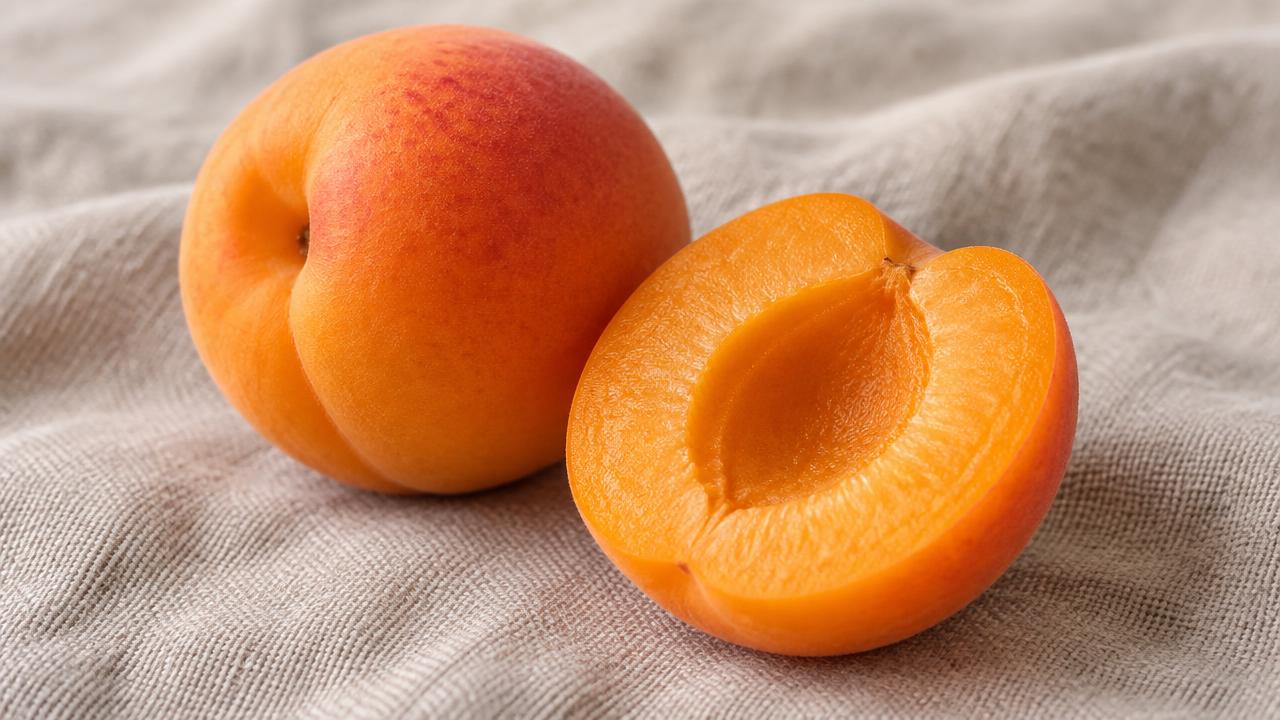
Two ripe apricots, one cut in half with the pit removed, on a linen cloth.

Quick answer

Category
Fruit
Recommended preparation
ripe flesh, pit and stem removed
Main concern
pits, kernels, stems, leaves
Suitable as everyday food
no, occasional only

The full answer

Dogs can eat the flesh of apricots, but not the seeds or stems.

The apricot plant's stems, leaves and seeds contain cyanogenic compounds, which ASPCA notes are particularly concerning as plant material wilts. These parts are a separate matter from the ripe flesh.

Pet Poison Helpline describes swallowing a single pit or a few leaves as low risk, while hulled apricot kernels or bitter raw apricot seeds are high risk. Neither is a recommended food.

Risks and Things to Know

  • Pits and stems: choking hazard, and part of the plant that contains cyanogenic compounds.
  • Apricot kernels and bitter apricot seeds (sometimes sold separately): high risk; contact a veterinarian promptly if a dog eats them.
  • Leaves, stems and tree material: ASPCA lists signs of cyanide poisoning from these as brick-red mucous membranes, dilated pupils and difficulty breathing — contact a veterinarian promptly if you see these signs.
  • Dried apricots are more concentrated in sugar; Pet Poison Helpline advises moderation.

How Much Can Dogs Eat?

Small pieces of ripe flesh as an occasional extra.

How Should I Prepare It?

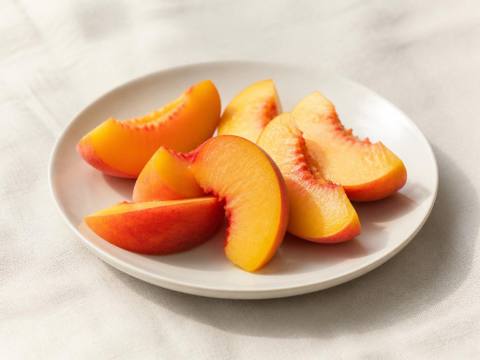
  • Wash, remove the stem and pit, and offer small pieces of the ripe flesh.
What If My Dog Ate Too Much?

If a dog has swallowed a pit, eaten kernels, or chewed leaves or stems, contact your veterinarian for advice.

This guide is for general educational purposes and isn't a substitute for advice from your veterinarian. If your dog has eaten something potentially toxic or is showing concerning symptoms, contact a veterinarian promptly.

Frequently Asked Questions

No. The ripe flesh can be offered in small pieces; the risk comes from the pit, stems and leaves.

Pet Poison Helpline describes a single pit as low risk for poisoning, but a pit can still cause choking. Contact your veterinarian for advice.

Yes. Hulled apricot kernels and bitter raw apricot seeds are described as high risk. Contact a veterinarian promptly if your dog eats them.

No. They contain cyanogenic compounds and are not part of this rating.

In moderation only, because dried fruit is higher in sugar.

They follow the same pattern: flesh may be offered, but pits and plant parts are a separate hazard.

How this guide was written

Last updated 1 October 2026. We write from widely published, mainstream pet-health sources and avoid presenting feeding amounts as veterinary prescriptions.

Browse every food in our A–Z guide