The full answer
The flesh of a ripe peach is not toxic to dogs, and a few small pieces are usually tolerated well. What earns peaches a more cautious rating is everything around the flesh.
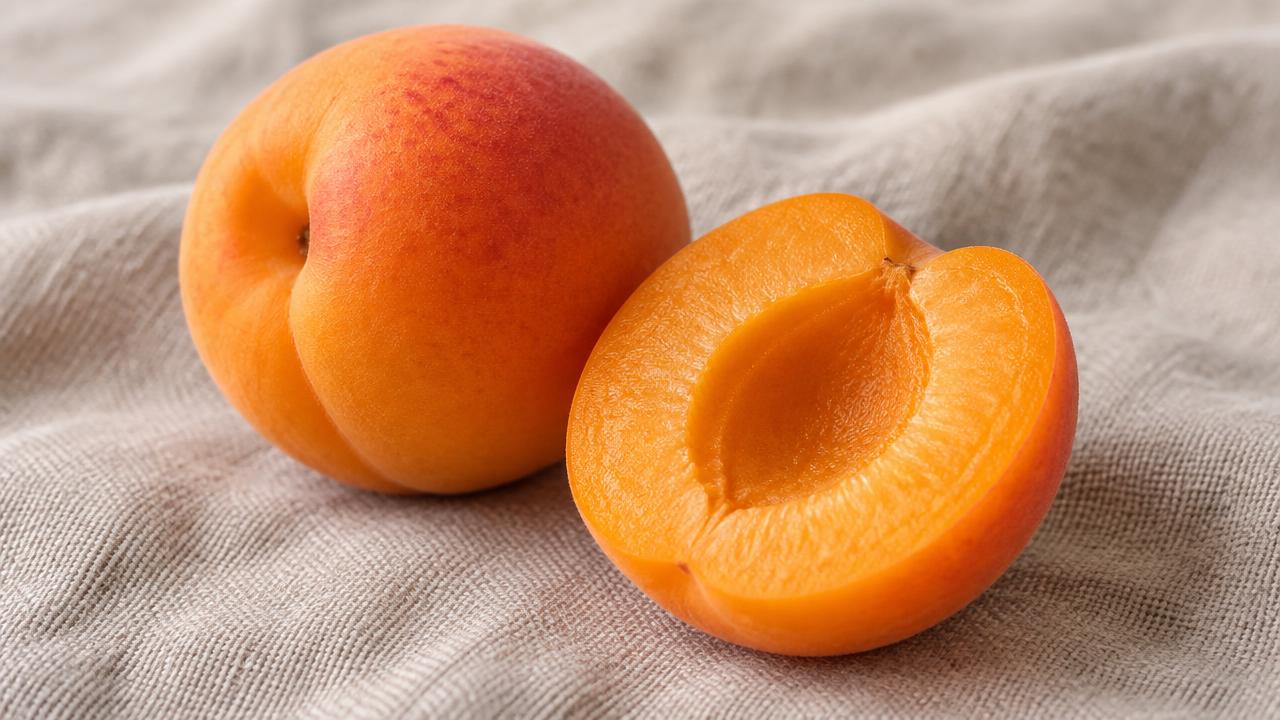
The stone is the main problem. It is hard enough to crack teeth, large enough to cause a life-threatening intestinal blockage, and its kernel contains cyanide-releasing compounds. Peach stems and leaves contain those compounds too. A dog that has swallowed a peach stone should be discussed with a vet rather than watched at home.
Sugar is the second issue. Peaches are one of the sweeter fruits, which matters for overweight dogs and dogs with diabetes or pancreatitis history. Tinned peaches in syrup and dried peach concentrate the sugar further, and sugar-free products may contain xylitol.
Are Peaches Good for Dogs?
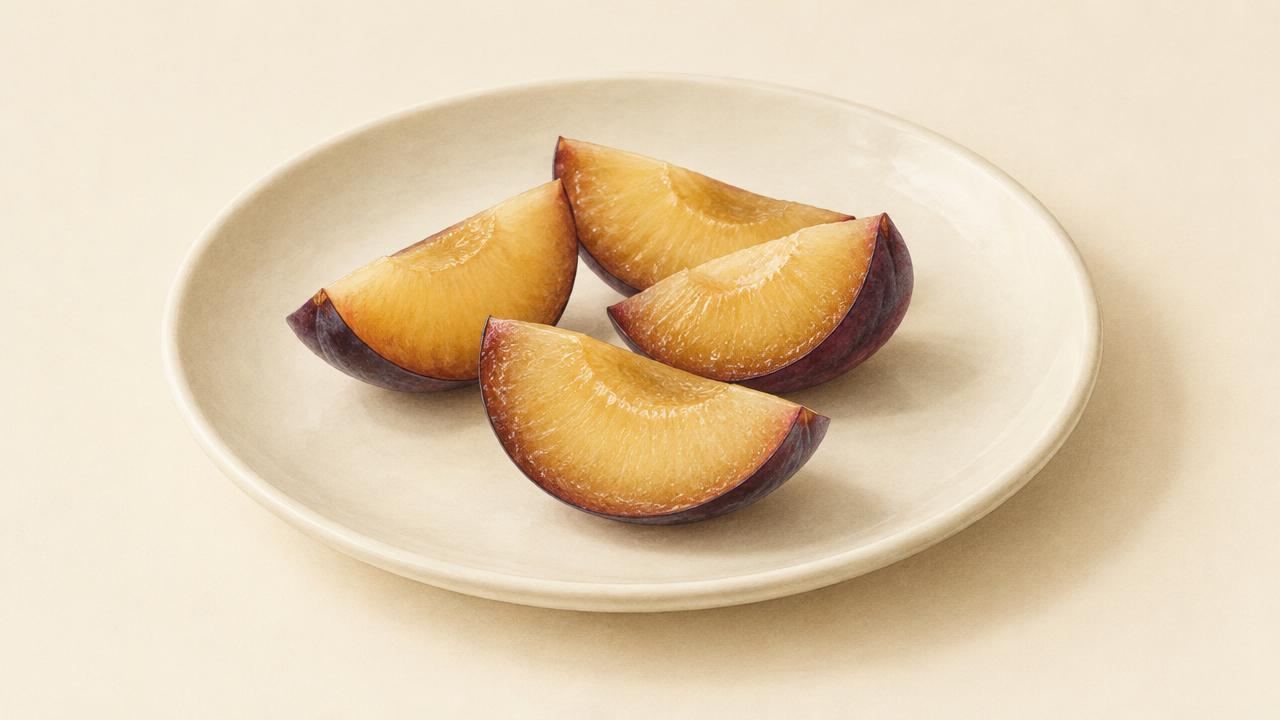
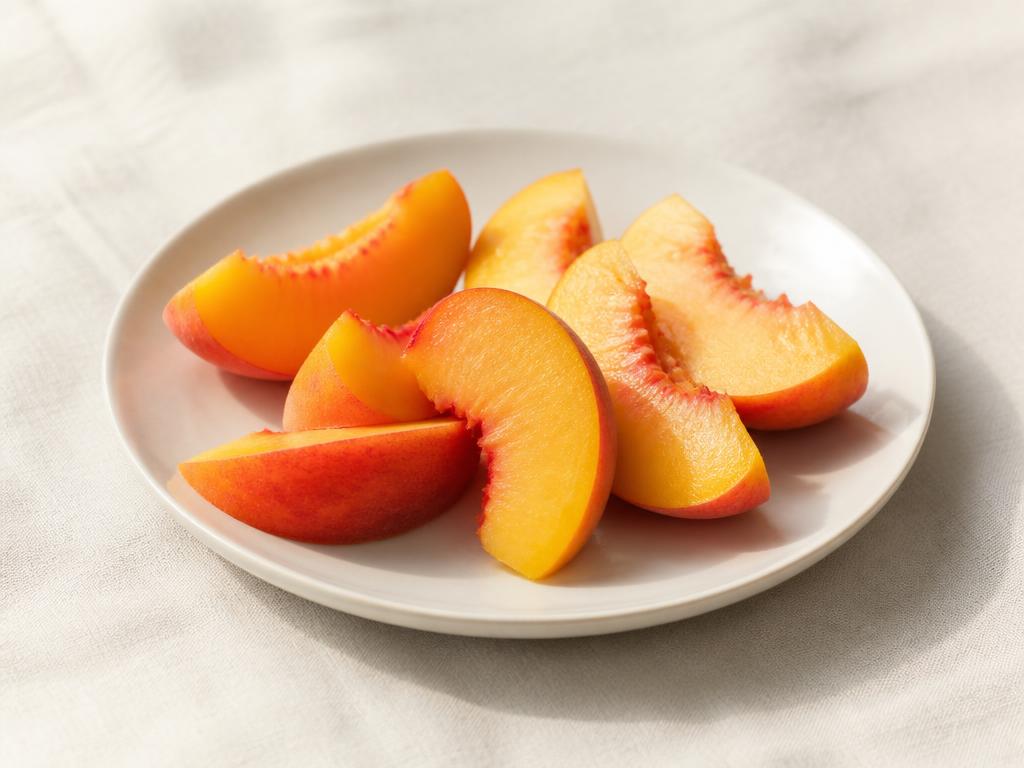
Small pieces of fresh, ripe peach flesh with the stone fully removed
Plain frozen peach chunks (stone removed) as an occasional cool treat
Potential benefits
- Provides water and fibre
- Soft flesh is easy to chew for older dogs
- Useful as a very small, high-value occasional treat
Risks and Things to Know
- The stone can cause choking, cracked teeth or an intestinal blockage
- The kernel, stems and leaves contain cyanide-releasing compounds
- High natural sugar content — not suitable for regular feeding
- Canned peaches in syrup add large amounts of sugar
- Fibrous flesh can cause digestive upset in larger amounts
How Much Can Dogs Eat?
There is no single correct amount of peach for every dog. The right portion depends on your dog's size, calorie needs, health and the rest of their diet. A widely used general principle is that treats — including fruit and vegetables — should stay a small share of daily calories, with the bulk coming from a complete, balanced dog food.
Start with a very small amount the first time and watch how your dog reacts over the following day before offering more. If your dog has a health condition, is overweight, or is on a prescribed diet, check with your vet before adding anything new.
How Should I Prepare It?
- Wash the peach thoroughly.
- Cut the flesh away from the stone and remove the stone completely.
- Cut the flesh into small, bite-sized pieces.
- Serve plain — no sugar, syrup, cream or spice.
- Dispose of the stone somewhere your dog cannot get to it, including in the garden.