Can Dogs Eat Mango?

SAFE

SAFE — dogs can generally eat ripe mango flesh in moderation. Remove the peel and completely remove the hard pit before serving small pieces.

Ripe mango flesh is generally considered fine for dogs as an occasional treat. It is fairly sugary, and the hard pit is the real hazard, so preparation is what makes mango a sensible snack.

See our guide to fruits dogs can and can't eat to compare this with the rest of the fruit list.

On this page
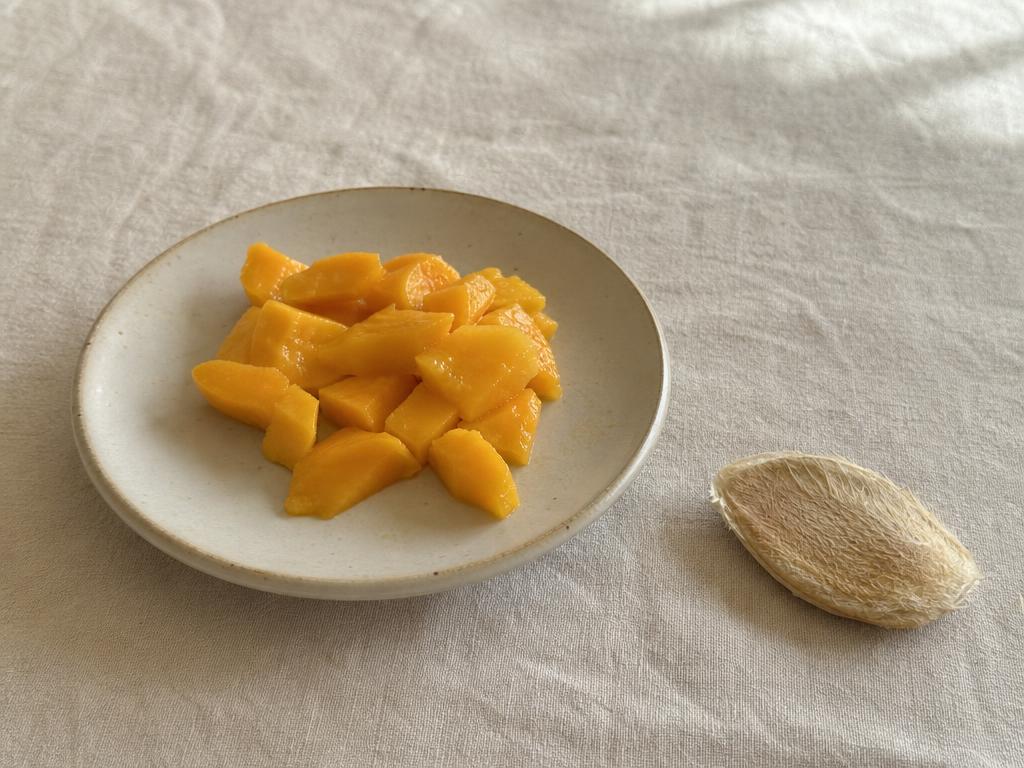
Ripe mango cut into small bite-sized pieces on a cream plate, with the large mango pit removed and set aside separately

Quick answer

Category
Fruit
Recommended preparation
Peel, remove the pit completely, cut into small pieces
Main concern
Pit is a choking and obstruction hazard; high natural sugar
Suitable as everyday food
Occasional treat

The full answer

Ripe mango flesh is soft, sweet and easy for most dogs to eat, which is why it shows up on lists of fruits dogs can enjoy. Served as small pieces of plain peeled flesh, it works as an occasional treat.

Mango is noticeably sugary compared with something like cucumber, so quantity matters. A few small pieces is a treat; a bowlful is a lot of sugar and a likely upset stomach.

The hard pit is the part to take seriously. It is large, firm and the wrong shape for a dog to chew safely, so it should never be given as a chew toy and should be disposed of where your dog cannot reach it.

Is Mango Good for Dogs?

Plain ripe mango flesh, peeled and pitted

Small bite-sized pieces suited to your dog

Plain frozen mango chunks as an occasional treat, cut small first

Potential benefits

  • Soft texture that is easy for most dogs to chew
  • Provides fiber and water along with natural nutrients
  • Works well as a small, high-value occasional reward

Risks and Things to Know

  • The hard pit is a serious choking and intestinal obstruction hazard
  • High natural sugar content makes mango unsuitable as a frequent snack
  • Tough skin can be difficult to digest and is best removed
  • Too much at once can cause loose stools or stomach upset
  • Dried and sweetened mango products concentrate sugar and may contain additives

How Much Can Dogs Eat?

There is no single serving amount that fits every dog — it depends on size, calorie needs, health and the rest of the diet.

Treats should generally remain a small portion of total daily calories, with a complete balanced diet as the foundation.

Because mango is sugary, keep portions modest and occasional rather than daily.

Talk to your vet first if your dog is overweight, diabetic or on a special diet.

How Should I Prepare It?

  • Choose a ripe mango and wash the outside.
  • Peel away the skin completely.
  • Cut the flesh away from the pit and remove the pit entirely — then throw it away somewhere your dog cannot get to it.
  • Cut the flesh into small, bite-sized pieces.
  • Serve plain, with no sugar, syrup or yoghurt coating.
Can Puppies Eat Mango?

Puppies need their calories to come mainly from a complete growth diet, so keep fruit to a minimum.

If offered at all, use a tiny piece of peeled flesh and watch for digestive upset.

Never let a puppy near a mango pit.

Ask your vet before introducing new treats.

What If My Dog Ate Too Much?

A large amount of mango flesh may cause loose stools, gas or an upset stomach.

Keep water available and monitor your dog for the next day or so.

If your dog swallowed or chewed the pit, contact a veterinarian promptly — this is a choking and foreign-body concern that needs professional assessment rather than home treatment.

This guide is for general educational purposes and isn't a substitute for advice from your veterinarian. If your dog has eaten something potentially toxic or is showing concerning symptoms, contact a veterinarian promptly.

Frequently Asked Questions

The skin is tough and harder to digest than the flesh, so we recommend peeling mango before serving it. If your dog eats a small piece of skin it is usually not an emergency, but monitor them and call your vet if they seem uncomfortable.

No. The pit is large and hard, and it presents a genuine choking and intestinal obstruction risk. Never give a mango pit as a chew, and throw pits away where your dog cannot reach them.

Puppies should get their calories from a complete growth diet, so mango should be a tiny extra at most. Offer only a small piece of peeled flesh, keep pits well out of reach, and ask your vet before making it a habit.

Plain frozen mango chunks can be an occasional treat. Peel and pit the fruit and cut it into small pieces before freezing, and avoid sweetened frozen fruit mixes.

Dried mango concentrates the sugar into a small, chewy piece and is often sweetened, so it is not a great everyday choice. Plain fresh mango flesh is preferable, and any dried version should be a very small, occasional treat.

We would not recommend it. Mango is relatively high in natural sugar, so it suits an occasional treat rather than a daily one. Treats overall should stay a small part of your dog's daily calories, with a complete balanced diet providing the rest.

In small occasional portions, mango is generally fine for healthy dogs. It is sugary enough that large or frequent servings are not a good idea, and dogs that are overweight, diabetic or on a prescribed diet should only have fruit with veterinary guidance.

Contact a veterinarian promptly. A swallowed pit can cause choking or an intestinal obstruction, and that needs professional assessment rather than waiting to see what happens. Do not try to make your dog vomit or treat it at home unless a vet tells you to.

How this guide was written

Last updated 8 September 2026. We write from widely published, mainstream pet-health sources and avoid presenting feeding amounts as veterinary prescriptions.

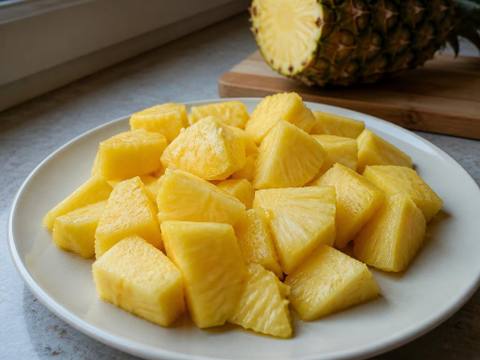
Fresh pineapple with the skin and core removed, cut into small yellow pieces on a cream plate
SAFE

Fruit

Pineapple

Fresh pineapple flesh is generally fine for dogs in small amounts. The tough skin, spiky crown and fibrous core are the parts to remove, and the natural sugar means it suits an occasional treat rather than a daily one.

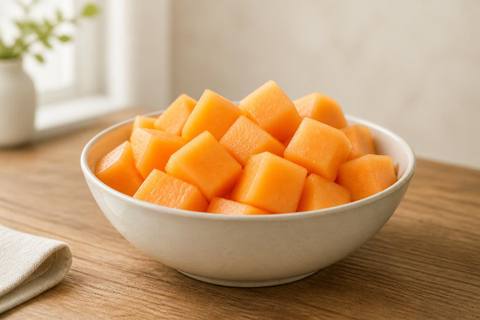
Bite-sized cubes of prepared cantaloupe flesh in a bowl with the rind removed
SAFE

Fruit

Cantaloupe

Cantaloupe flesh is a hydrating, low-calorie fruit that most dogs enjoy. Remove the rind, which is a choking and obstruction risk, scoop out the seeds, and keep portions modest because melon is naturally sugary.

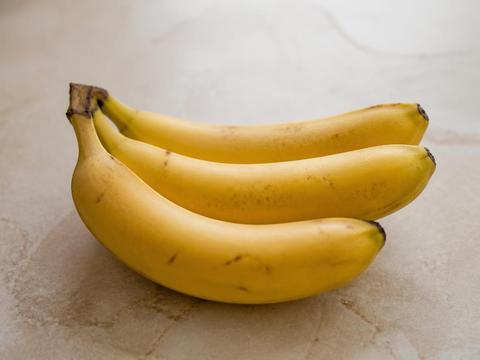
Ripe yellow bananas arranged on a light kitchen surface
SAFE

Fruit

Banana

Peeled banana flesh is not toxic to dogs and is a common ingredient in homemade treats. It is relatively high in natural sugar, so keep servings small.

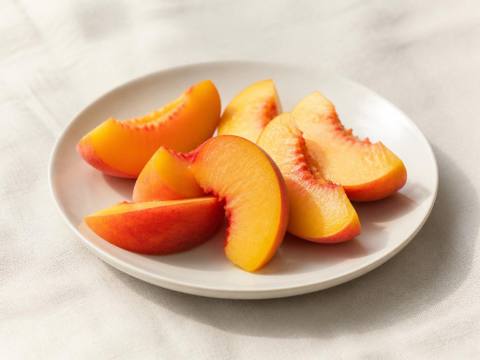
Fresh peach slices on a white plate with the stone removed and not shown
LIMIT

Fruit

Peaches

Fresh peach flesh can be given to dogs in small quantities, but peaches carry more caveats than most fruits. The stone is a genuine choking and obstruction hazard and contains cyanide compounds, and the sugar content means peaches are a small treat rather than a regular food.

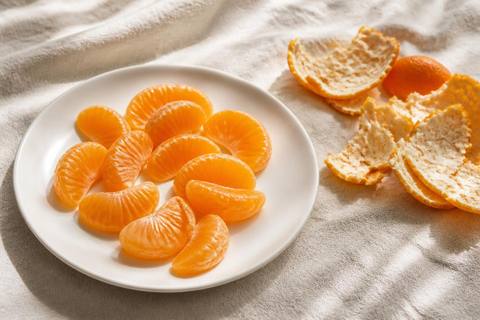
Peeled orange segments arranged on a white plate, with no peel or pith included
LIMIT

Fruit

Oranges

Orange flesh is not poisonous to dogs, and a segment or two is tolerated by some dogs. But oranges are acidic and sugary, the peel is difficult to digest and can cause a blockage, and plenty of dogs simply dislike citrus. This one is a small, optional treat rather than a recommended food.

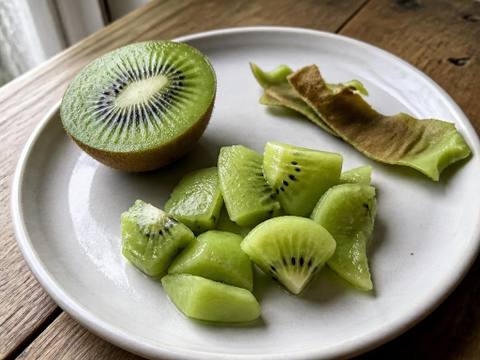
A ripe kiwi cut in half beside irregular peeled kiwi pieces and a strip of discarded brown peel on a pale ceramic plate
SAFE

Fruit

Kiwi

Kiwi flesh is not considered toxic to dogs. Peel it, cut it into small pieces and keep the portion small — the skin is tough and a whole kiwi is a choking hazard.

Browse every food in our A–Z guide