The full answer
Oranges come up often because they are a household staple. The flesh itself is not toxic to dogs and provides water, fibre and vitamin C — though dogs produce their own vitamin C and do not need a dietary source.
The reasons to keep oranges limited are practical. Citrus is acidic, and dogs with sensitive stomachs or a history of digestive problems can react with vomiting or diarrhoea. The sugar content is relatively high for a fruit, which matters for overweight and diabetic dogs. And the peel and pith are tough, hard to digest, and can cause an obstruction — they also carry the essential oils that give citrus its strong smell, which many dogs actively dislike.
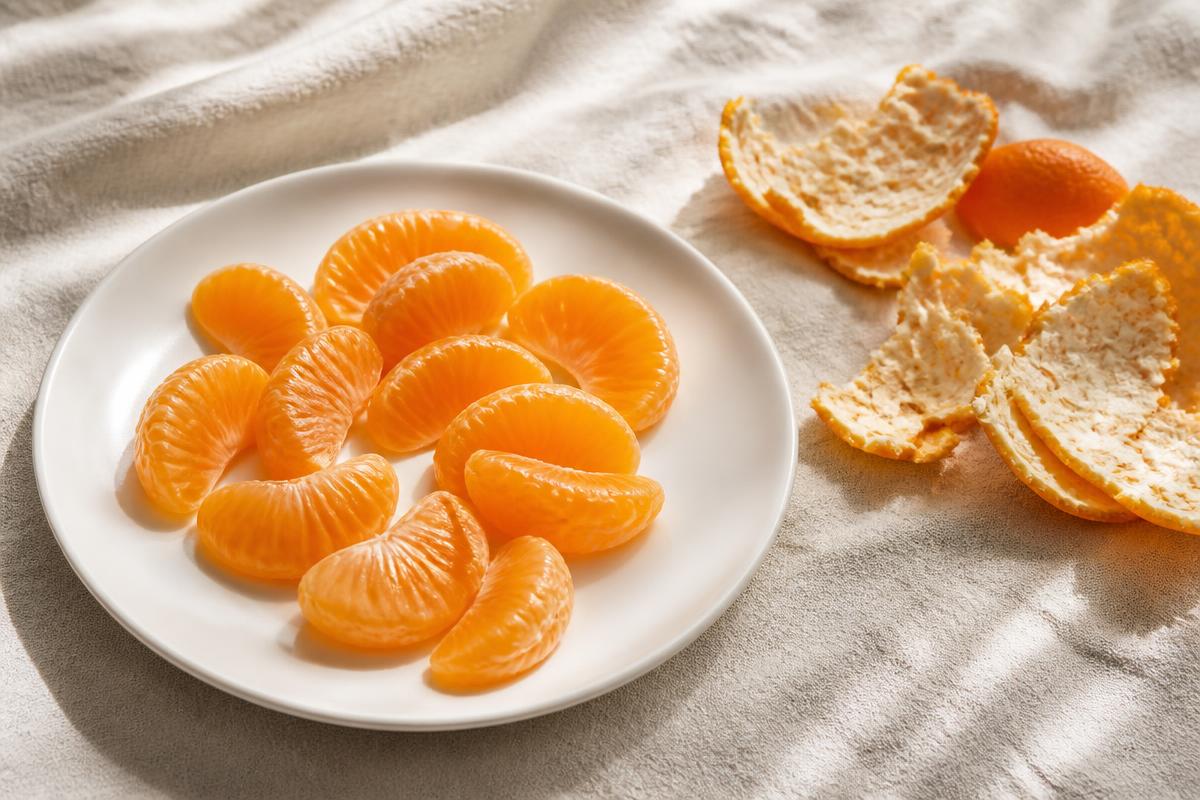
If you do offer orange, one or two peeled segments with the seeds removed is the whole story. Orange juice, marmalade and citrus desserts are not appropriate for dogs.
Are Oranges Good for Dogs?
One or two peeled, deseeded orange segments for a dog that enjoys them
Nothing else — the peel, pith, seeds and juice are all off the list
Potential benefits
- Provides water and a small amount of fibre
- Low calorie in very small portions
- A novelty treat for dogs that like the taste
Risks and Things to Know
- Acidic — can trigger vomiting or diarrhoea in sensitive dogs
- Relatively high in natural sugar
- The peel and pith are hard to digest and can cause a blockage
- Seeds are best removed
- Orange juice and marmalade add concentrated sugar
How Much Can Dogs Eat?
There is no single correct amount of orange for every dog. The right portion depends on your dog's size, calorie needs, health and the rest of their diet. A widely used general principle is that treats — including fruit and vegetables — should stay a small share of daily calories, with the bulk coming from a complete, balanced dog food.
Start with a very small amount the first time and watch how your dog reacts over the following day before offering more. If your dog has a health condition, is overweight, or is on a prescribed diet, check with your vet before adding anything new.
How Should I Prepare It?
- Peel the orange completely and pull away the white pith.
- Separate one or two segments and remove any seeds.
- Offer the segment plain and see whether your dog is even interested.
- Keep peel out of reach and out of the bin your dog can access.