The full answer
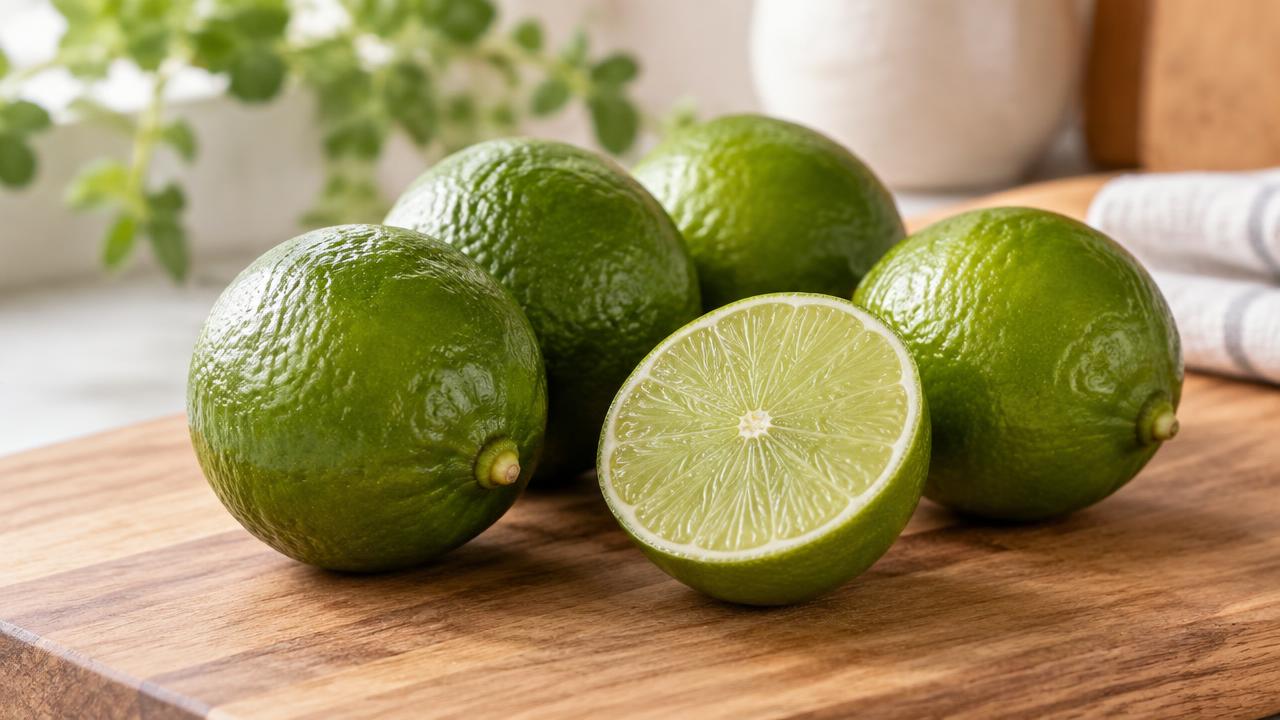
We classify lemons as AVOID, and it is worth being precise about what that means on this site. AVOID is our recommendation for foods where the practical downsides outweigh any benefit — it is not the same as TOXIC, which we reserve for foods with a recognised poisoning risk such as chocolate, grapes, raisins and xylitol. Lemon does not belong in that group. We rate lemons AVOID because they are highly acidic, are not useful as a dog treat, and the peel and plant oils add extra concerns. Oranges are different: their flesh can be offered in small amounts, which is why they are rated LIMIT.
In real life, the most common lemon situation is a dog who licks a slice or a dropped piece of flesh and immediately makes a face. That is not a poisoning and it does not need an emergency call. Almost no dog seeks lemon out, because the sourness is the deterrent.
What we would take more seriously is peel and plant material. Citrus peel and pith contain concentrated essential oils, and the peel is also tough and difficult to digest, which makes it a realistic obstruction risk in a smaller dog. Essential oils and cleaning products with concentrated citrus extracts are a separate and greater concern than fruit — they should be kept away from pets entirely.
Amount matters too. A larger exposure — a dog who eats a whole lemon, several slices, or chews through peel — can cause drooling, vomiting, diarrhoea and abdominal discomfort. If that happens, or if your dog shows drooling, repeated vomiting, weakness, wobbliness or unusual sensitivity, contact your vet or an animal poison service for advice about your dog specifically. We do not publish dose tables, because the answer depends on the dog and the exposure.
Sweetened lemon products are a different problem again. Lemonade, lemon squash, lemon curd, lemon drizzle cake and lemon desserts are sugar-heavy, sometimes caffeinated, and sugar-free versions may contain xylitol, which is dangerous to dogs even in small amounts. There is no version of a lemon product we would recommend giving a dog.
Are Lemons Good for Dogs?
Nothing about a lemon makes it a good treat for a dog. Dogs make their own vitamin C, so the usual reason people give for citrus does not apply, and the acidity and sourness mean most dogs reject it anyway. If you want a fruit treat, there are far better options — plain apple, blueberries or watermelon are all easier on a dog's stomach and much more likely to be enjoyed.
Risks and Things to Know
- Very acidic and intensely sour — most dogs find it aversive
- Peel and pith contain concentrated citrus oils and are tough to digest
- Peel can cause an obstruction in a small dog
- Larger amounts can cause drooling, vomiting, diarrhoea and abdominal discomfort
- Lemonade, lemon curd and lemon baked goods are sugar-heavy and unsuitable
- Sugar-free lemon products may contain xylitol, which is dangerous to dogs
- Concentrated citrus essential oils and citrus-based cleaners are a greater hazard than the fruit and should be kept away from pets
How Much Can Dogs Eat?
There is no recommended portion. We would not offer lemon to a dog at all — not as a treat, not in water, and not as a training deterrent.
If your dog has already licked a little flesh and seems fine, no action is usually needed beyond keeping the rest out of reach.
How Should I Prepare It?
- Keep whole lemons, slices, peel and zest off counters and out of reach
- Bin peel and pith where your dog cannot get to it
- Do not add lemon or lemon juice to a dog's food or water
- Keep lemonade, lemon desserts and lemon-flavoured products away from dogs
- Store citrus essential oils and citrus-based cleaning products securely