The full answer
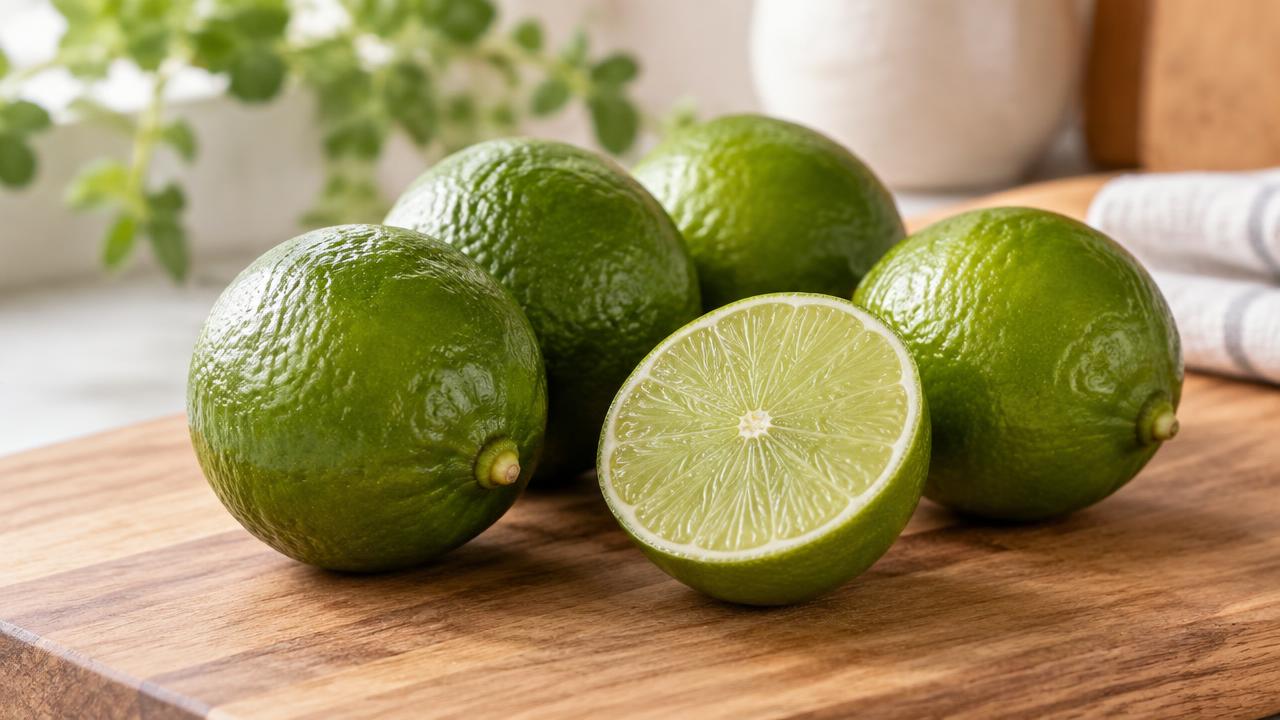
The ASPCA lists lime as containing essential oils and psoralens, with vomiting, diarrhoea, low mood and possible skin irritation as clinical signs. It notes that the fruit is edible, and that the skins and plant material are what cause problems.
The American Kennel Club and PetMD describe lime flesh as not toxic, but advise against feeding it. Limes are very high in citric acid, which can irritate the gut. Both sources note that large amounts may cause more serious signs, such as low energy and loss of coordination.
The rind and its oils are a greater concern than the flesh. Squeezed lime halves are also a choking or blockage risk.
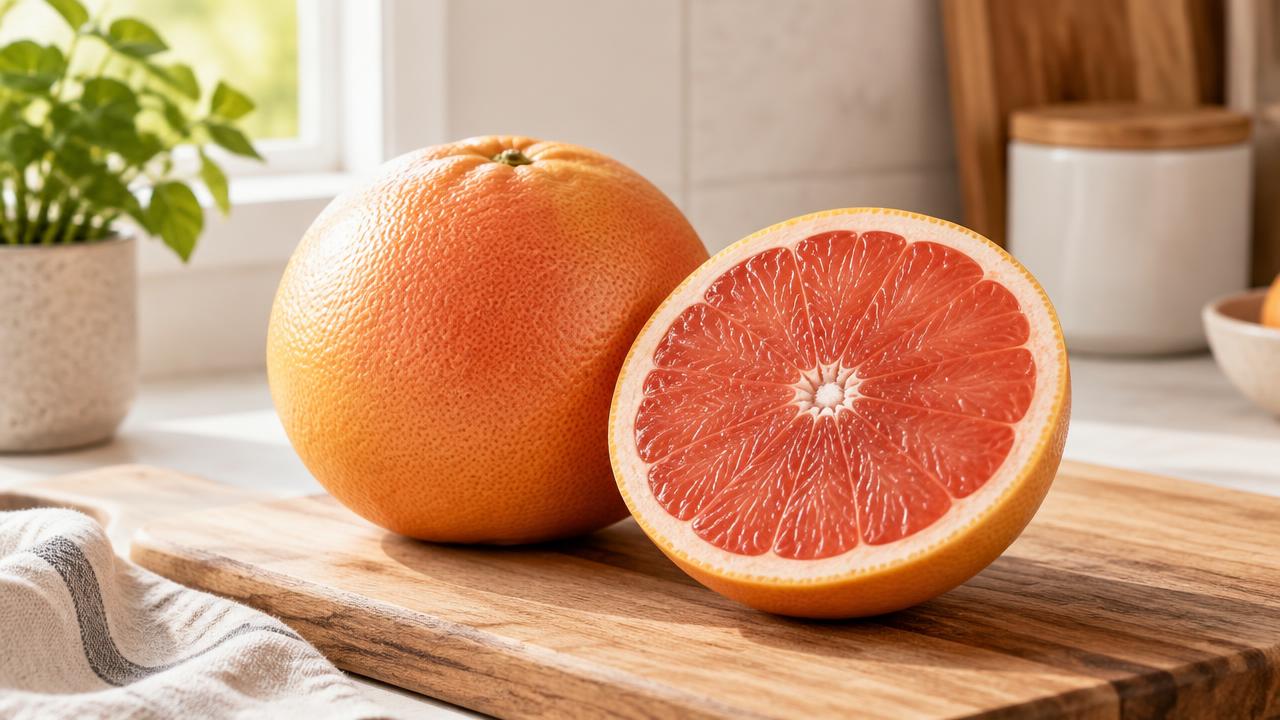
We rate limes AVOID because they are highly acidic, are not useful as a dog treat, and the peel and plant oils add extra concerns. This matches our lemons rating. Oranges are different: their flesh can be offered in small amounts, which is why they are rated LIMIT.
This page is about the fruit. Garden and building lime are unrelated chemicals, and lime juice is not assessed here.
Risks and Things to Know
- Acidic flesh can irritate the stomach and cause vomiting or diarrhoea.
- Large amounts may cause low energy and loss of coordination.
- The peel and rind contain essential oils and psoralens.
- Squeezed halves and rinds can cause choking or a blockage.
How Much Can Dogs Eat?
We recommend not offering limes as a treat.
Put squeezed limes and peels in a bin your dog cannot open.
How Should I Prepare It?
- Limes have no recommended preparation for dogs.
- If you want to share citrus, see our oranges page.