Can Dogs Eat Grapefruit?

AVOID

AVOID — grapefruit flesh is not a classic dog poison, but it is very acidic and the peel and plant oils add extra concerns, so it is not a suitable treat.

We recommend not feeding grapefruit. The flesh is not toxic, but it is very sour and can irritate a dog's stomach, and the peel, rind and seeds contain essential oils and psoralens. A lick or a small bite of flesh is not a poisoning emergency.

If your dog has already eaten grapefruit, contact your veterinarian or an animal poison control service straight away — even if your dog seems fine.

See our guide to common toxic foods for dogs for the wider picture.

See our guide to fruits dogs can and can't eat to compare this with the rest of the fruit list.

On this page
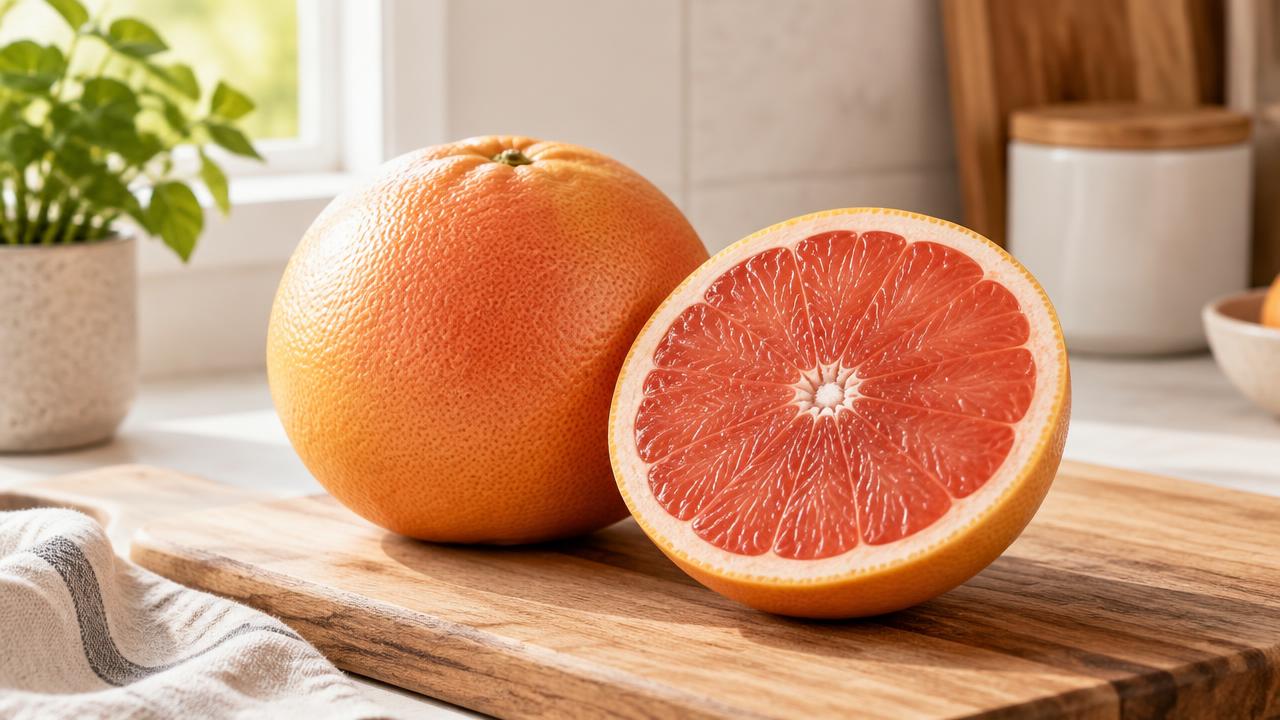
A whole pink grapefruit and one cut in half on a wooden board

Quick answer

Category
Fruit
Recommended preparation
Not recommended
Main concern
Acidity; oils and psoralens in the peel and plant
Suitable as everyday food
No

The full answer

The ASPCA lists grapefruit as containing essential oils and psoralens, with vomiting, diarrhoea, low mood and possible skin irritation as clinical signs. It notes that the fruit is edible, and that the skins and plant material are what cause problems.

The American Kennel Club and PetMD both describe the flesh as not toxic, but advise against feeding it. Grapefruit is very high in citric acid and can irritate a dog's gut, and it offers a dog nothing that a balanced diet does not already provide.

We rate grapefruit AVOID because it is highly acidic, is not useful as a dog treat, and the peel and plant oils add extra concerns. Oranges are different: their flesh can be offered in small amounts, which is why they are rated LIMIT.

Grapefruit juice and grapefruit seed extract are not assessed on this page.

Risks and Things to Know

  • Acidic flesh can irritate the stomach and cause vomiting or diarrhoea.
  • The peel, rind and seeds contain essential oils and psoralens.
  • Tough peel can cause a blockage if swallowed in large pieces.

How Much Can Dogs Eat?

We recommend not offering grapefruit as a treat.

Put peels and leftovers in a bin your dog cannot open.

How Should I Prepare It?

  • Grapefruit has no recommended preparation for dogs.
  • If you want to share citrus, see our oranges page.
What If My Dog Ate Too Much?

If your dog licked or ate a small piece of grapefruit flesh and is acting normally, watch for stomach upset.

Contact a vet if your dog ate peel, rind or seeds, ate a large amount, or shows repeated vomiting, diarrhoea, drooling, low mood or skin irritation.

This guide is for general educational purposes and isn't a substitute for advice from your veterinarian. If your dog has eaten something potentially toxic or is showing concerning symptoms, contact a veterinarian promptly.

Frequently Asked Questions

The flesh is not toxic, but it is very acidic and can upset the stomach. The peel and plant contain essential oils and psoralens. We recommend avoiding it.

Orange flesh is sweeter and can be offered in small amounts. Grapefruit is much more acidic, not useful as a treat, and its peel and oils add extra concerns.

No. The peel and rind contain essential oils and psoralens and can cause a blockage. Contact a vet if your dog ate some.

A lick or a small bite of flesh is unlikely to cause more than a mild stomach upset. Watch your dog and call a vet if anything changes.

No. Grapefruit is a citrus fruit and is not related to grapes or raisins, which are toxic to dogs.

How this guide was written

Last updated 30 September 2026. We write from widely published, mainstream pet-health sources and avoid presenting feeding amounts as veterinary prescriptions.

Browse every food in our A–Z guide