Can Dogs Eat Grapes?

TOXIC

TOXIC — Grapes and raisins are considered toxic to dogs.

Grapes, raisins, sultanas and Zante currants have been associated with kidney failure in dogs. The effect is unpredictable and no safe amount has been established — contact a vet if your dog eats any.

If your dog has already eaten grapes, contact your veterinarian or an animal poison control service straight away — even if your dog seems fine.

See our guide to common toxic foods for dogs for the wider picture.

See our guide to fruits dogs can and can't eat to compare this with the rest of the fruit list.

On this page
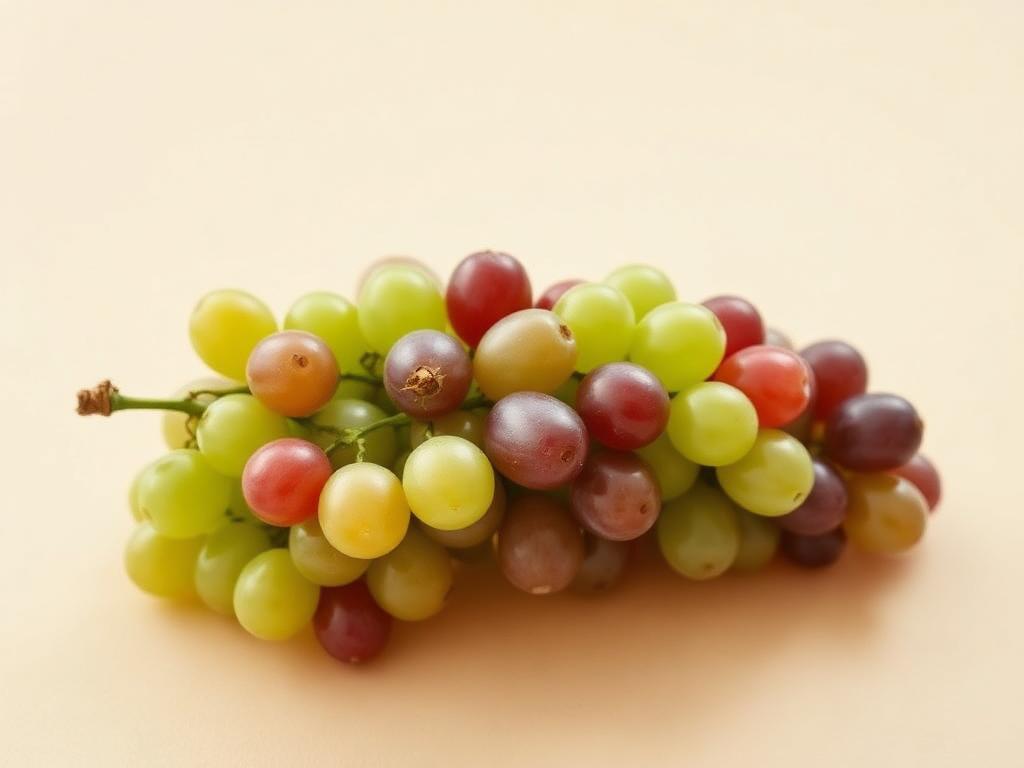
A bunch of green and red grapes

Quick answer

Category
Fruit
Recommended preparation
Do not feed in any form
Main concern
Associated with acute kidney injury and kidney failure in dogs
Suitable as everyday food
Never

The full answer

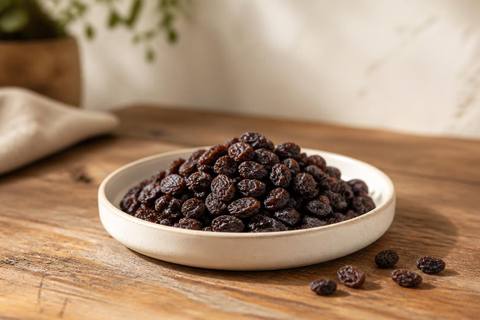
Grapes and the dried fruits made from them — raisins, sultanas and the small dried Zante currants used in baking — belong to the Vitis genus. Veterinary toxicology references associate eating them with acute kidney injury in dogs, which can progress to kidney failure.

Not every dog that eats grapes becomes ill, and the effect varies from one exposure to another. Because the reason for that variation is not fully understood, veterinary sources do not treat any amount as reliably safe. Tartaric acid has been proposed as the cause, but that is still a proposal rather than settled fact.

According to the Merck Veterinary Manual, vomiting or diarrhoea usually begins within 6–12 hours, and kidney failure can develop within one to three days. Once a dog stops producing urine the outlook is poor — which is why veterinary sources advise getting help early, before signs appear.

The fresh berries of the Ribes genus — blackcurrants, redcurrants and white currants — are different plants, and the Merck Veterinary Manual notes they have not been associated with kidney injury. This page does not rate them; if you are not sure which fruit your dog ate, treat it as a grape product and call a vet.

Are Grapes Good for Dogs?

There is no benefit that justifies the risk. Any nutrient in grapes is available from foods that are not associated with kidney injury in dogs.

Risks and Things to Know

  • Associated with acute kidney injury, which can progress to kidney failure and be life-threatening
  • The effect is unpredictable — not every exposed dog becomes ill, and no amount is known to be safe
  • Raisins, sultanas and Zante currants are concentrated and appear in many baked goods
  • Hidden sources include fruit cake, trail mix, cereal bars, hot cross buns and mince pies
  • First signs can be delayed by hours, and kidney damage by one to three days

How Much Can Dogs Eat?

There is no recommended amount. Grapes and dried grapes should not be fed to dogs in any quantity.

Keep grapes, raisins and baked goods containing them well out of reach, including in bags and lunchboxes.

How Should I Prepare It?

  • None — this food should not be prepared for dogs.
  • Check ingredient lists of baked goods and snack bars before sharing anything with your dog.
Can Puppies Eat Grapes?

The same advice applies to puppies, and their smaller body size makes any exposure more concerning.

Contact a vet immediately if a puppy eats grapes or raisins.

What If My Dog Ate Too Much?

If your dog has eaten grapes, raisins, sultanas or Zante currants — any amount — contact your vet or an animal poison control service immediately, even if your dog seems well. Early treatment matters.

Do not wait to see whether symptoms appear, and do not try to make your dog vomit unless a veterinary professional tells you to.

According to the Merck Veterinary Manual, most affected dogs develop vomiting or diarrhoea within 6–12 hours. Other reported signs include lethargy, loss of appetite, belly pain, weakness and increased thirst, and kidney failure can develop within 24–72 hours. The absence of symptoms does not mean your dog is safe.

Tell the vet what was eaten, roughly how much and when, and your dog's weight, and keep any packaging.

This guide is for general educational purposes and isn't a substitute for advice from your veterinarian. If your dog has eaten something potentially toxic or is showing concerning symptoms, contact a veterinarian promptly.

Frequently Asked Questions

No. Raisins, sultanas and currants are dried grapes and are treated as toxic to dogs. Contact your vet immediately if your dog eats any.

No safe amount has been established, and sensitivity varies between dogs. Any ingestion should be discussed with a vet straight away.

Still call your vet or an animal poison service. Kidney injury may not be obvious immediately, and early advice gives the best outcome.

Vomiting or diarrhoea usually starts within 6–12 hours, and kidney failure can develop within one to three days. Because treatment works best before kidney damage starts, call a vet straight after ingestion rather than waiting for signs.

They are different plants. The dried currants used in baking are Zante currants — small dried grapes — and are treated like raisins. Fresh blackcurrants, redcurrants and white currants belong to the Ribes genus, which the Merck Veterinary Manual says has not been associated with kidney injury. This page does not rate them; if you are not sure which fruit your dog ate, treat it as a grape product and call your vet.

Yes. We treat baked goods and snacks made with grapes or raisins — raisin bread, fruit cake, hot cross buns, trail mix and cereal bars — as grape exposures. For grape juice and jam the evidence is limited, so do not assume they are safe: ask your vet if your dog has had some.

How this guide was written

Last updated 15 August 2026. We write from widely published, mainstream pet-health sources and avoid presenting feeding amounts as veterinary prescriptions.

Browse every food in our A–Z guide