The full answer
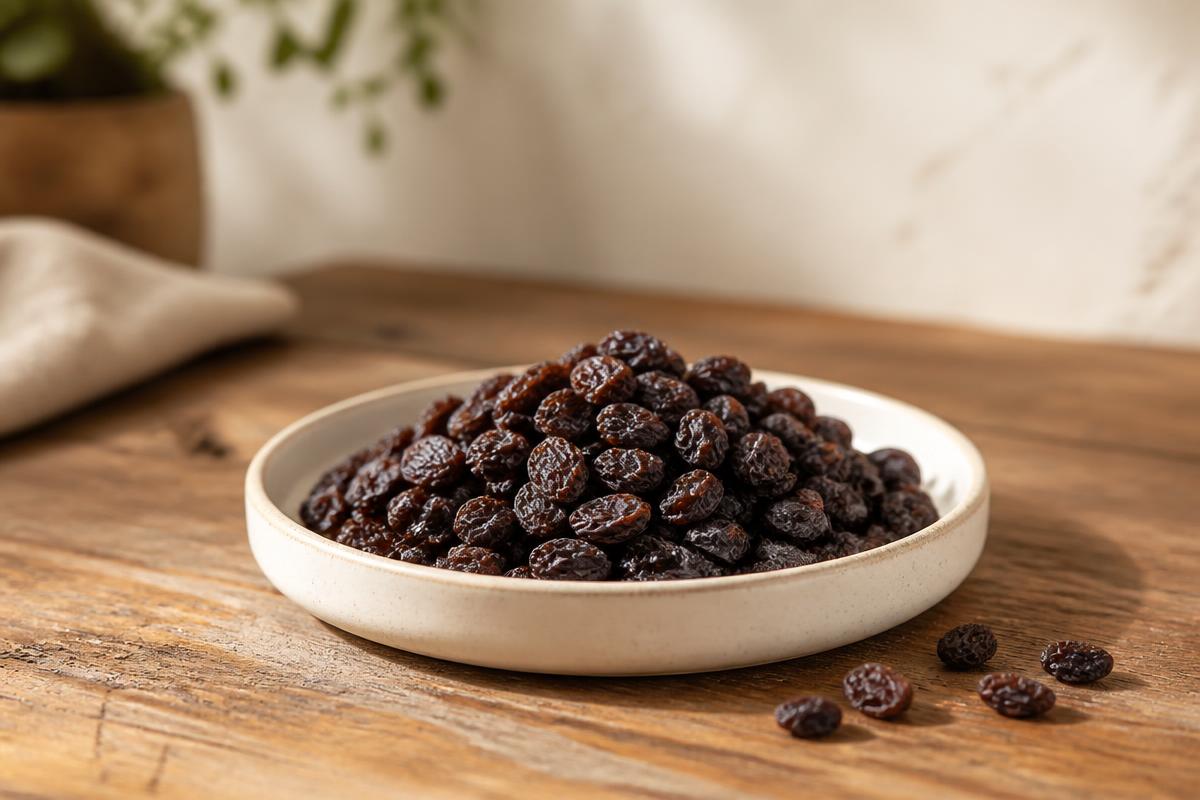
Raisins are simply dried grapes, and they sit on standard veterinary toxin lists for the same reason grapes do: ingestion has been associated with acute kidney injury in dogs. Sultanas, currants and golden raisins are the same kind of product and are treated the same way. Our companion article on grapes covers the fresh fruit side of the same problem.
The most difficult part of raisin toxicity is that it is unpredictable. Veterinary references describe cases where small amounts caused serious illness and other dogs who ate more without apparent harm, and the exact mechanism has been debated in the literature. Because reactions vary so much between individual dogs, no one can tell you that a particular number of raisins was safe for your dog.
Most accidental exposures come from baked goods and snacks rather than a box of raisins. Fruit cake, hot cross buns, mince pies, oatmeal raisin cookies, raisin bread, cereal bars, granola, trail mix and children's snack boxes are all common sources, and some of these also contain chocolate, xylitol or macadamia nuts, which brings additional concerns into the same incident.
Because raisins are dried, they are more concentrated than fresh grapes by weight, and a handful is easy for a dog to swallow quickly. That is a practical reason to be strict about storage rather than a reason to compare the two foods precisely.
If your dog has eaten raisins — any amount, any form — contact your veterinarian or an animal poison control service promptly. Early veterinary intervention is described as important in kidney-injury cases, and the absence of symptoms in the first hours does not mean your dog is in the clear. Do not attempt home treatment and do not induce vomiting unless a veterinary professional instructs you to.
Are Raisins Good for Dogs?
There is no benefit that justifies the risk, and no dog-appropriate serving of raisins. If you want a fruit treat, choose something from our safe list such as blueberries, small pieces of apple with the core and seeds removed, or a little watermelon flesh.
Risks and Things to Know
- Associated with acute kidney injury, which can be life-threatening
- Individual sensitivity is unpredictable — small amounts have caused serious illness in some dogs
- Dried, so more concentrated than fresh grapes by weight and easy to swallow quickly
- Hidden in fruit cake, hot cross buns, mince pies, oatmeal raisin cookies, raisin bread, granola and trail mix
- Baked goods containing raisins often also contain chocolate, xylitol or nuts
- No safe amount has been established, so any ingestion needs veterinary advice
How Much Can Dogs Eat?
There is no recommended amount. Raisins, sultanas, currants and golden raisins should not be fed to dogs in any quantity. Store them high up, check ingredient lists on baked goods and cereal bars, and be careful with lunchboxes, handbags and Christmas baking.
How Should I Prepare It?
- None — raisins should never be prepared for dogs, and they should not be used in homemade dog treats. If a recipe calls for raisins, leave them out entirely.