Can Dogs Eat Chocolate?

TOXIC

NO — Chocolate is toxic to dogs.

Chocolate contains theobromine and caffeine, which dogs metabolise slowly. Darker chocolate and cocoa are the most concerning. Contact a vet after any ingestion.

If your dog has already eaten chocolate, contact your veterinarian or an animal poison control service straight away — even if your dog seems fine.

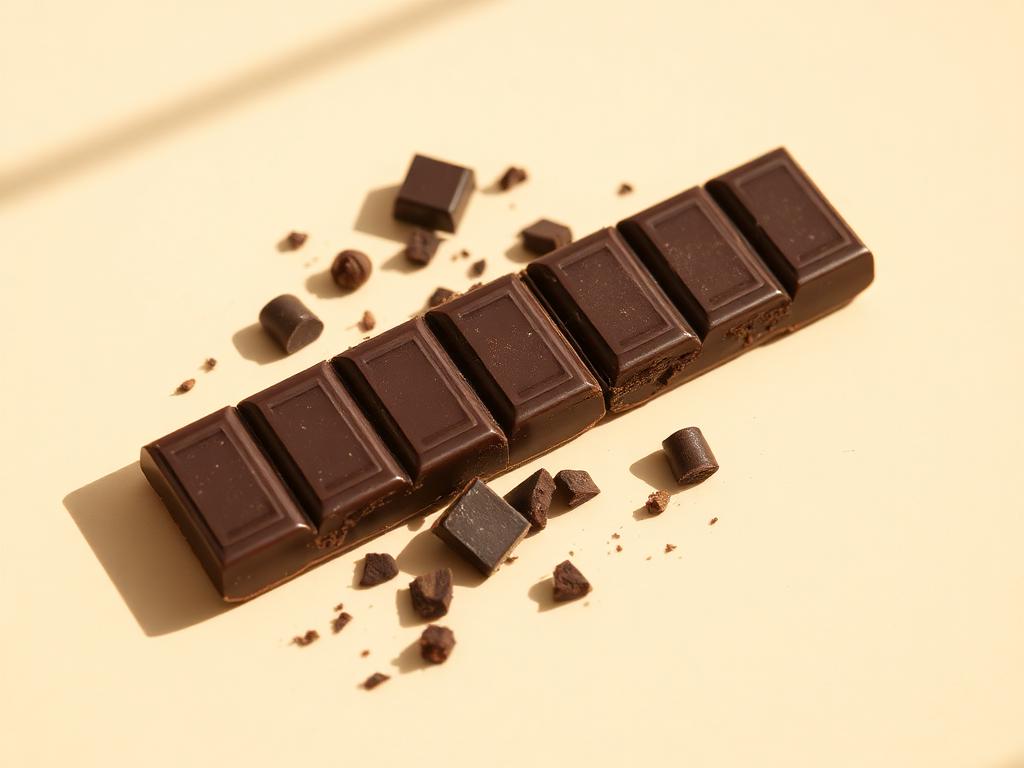
Broken pieces of a dark chocolate bar

Quick answer

Category
Other
Recommended preparation
Do not feed in any form
Main concern
Theobromine and caffeine poisoning
Suitable as everyday food
Never

The full answer

Chocolate is one of the best-documented food toxins in dogs. It contains theobromine and caffeine — methylxanthines that dogs clear from their bodies far more slowly than humans do.

Risk depends on the type of chocolate, the amount eaten and the size of the dog. Dark chocolate, baking chocolate and cocoa powder contain far more theobromine than milk chocolate.

Is Chocolate Good for Dogs?

There is no version of chocolate that is appropriate for dogs. Carob is sometimes used in dog treats as a chocolate-free alternative.

Risks and Things to Know

  • Theobromine and caffeine poisoning, which can affect the heart and nervous system
  • Dark, baking chocolate and cocoa powder carry the highest concentrations
  • Chocolate products often also contain fat, sugar, raisins, macadamia nuts or xylitol
  • Wrappers and foil can cause obstruction

How Much Can Dogs Eat?

There is no safe serving. Keep all chocolate, cocoa powder, chocolate spreads and cocoa mulch away from dogs.

Be especially careful around holidays, advent calendars, handbags and low tables.

How Should I Prepare It?

  • None — chocolate should never be prepared for dogs.
  • Use dog-specific treats instead; carob-based products are a common alternative.
Can Puppies Eat Chocolate?

Puppies are smaller, so the same amount of chocolate represents a larger dose relative to body weight.

Treat any chocolate ingestion by a puppy as urgent and call a vet immediately.

What If My Dog Ate Too Much?

If your dog has eaten chocolate, contact your vet or an animal poison control service immediately. Have the packaging ready — the type of chocolate, the amount and your dog's weight all matter.

Do not attempt to induce vomiting unless a veterinary professional instructs you to.

Commonly reported signs include vomiting, diarrhoea, restlessness, increased thirst, a racing heart, tremors and seizures. Getting advice early is far better than waiting.

Frequently Asked Questions

How this guide was written

Last updated 15 August 2026. We write from widely published, mainstream pet-health sources and avoid presenting feeding amounts as veterinary prescriptions.

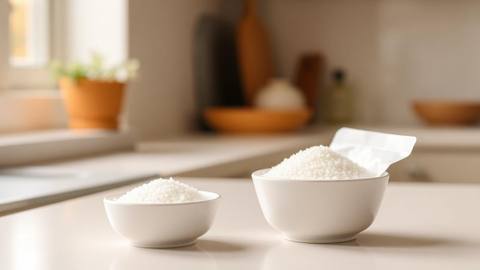
Two small white bowls of fine white sugar-alcohol sweetener granules beside an unlabelled sachet on a pale kitchen counterTOXIC

Other

Xylitol

Xylitol is a sugar alcohol used to sweeten sugar-free products. In dogs it can trigger a sudden, severe drop in blood sugar, and liver injury has also been reported. It is a poisoning risk, not a portion-size question.

Read the full guide
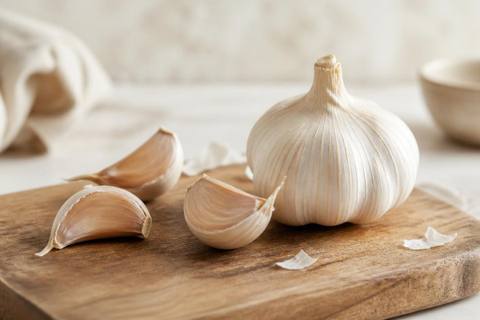
A whole garlic bulb with a few loose cloves on a wooden kitchen boardTOXIC

Herbs

Garlic

Garlic is an Allium, like onion, and Allium exposure can damage a dog's red blood cells. Raw, cooked, dried and concentrated forms — including powders, supplements and garlic bread — should not be treated as dog-safe foods. Contact a vet promptly after any ingestion.

Read the full guide
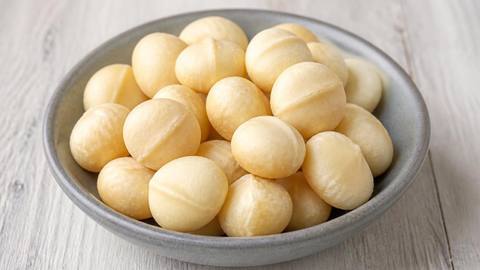
A grey ceramic bowl of plain shelled macadamia nuts on a pale wooden tableTOXIC

Nuts & Seeds

Macadamia Nuts

Macadamia nuts are one of the few foods with a well-described, dog-specific toxic syndrome. Affected dogs typically show weakness, wobbliness, vomiting and sometimes a raised temperature. Most recover with veterinary care, but no amount is an appropriate treat.

Read the full guide
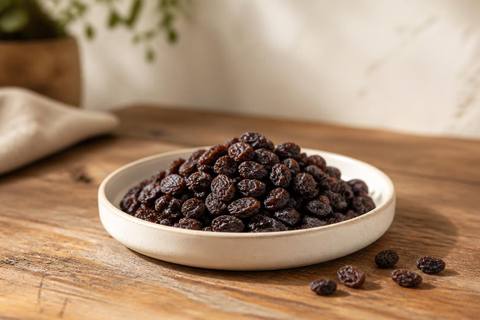
A small dish of dark dried raisins on a wooden kitchen tableTOXIC

Fruit

Raisins

Raisins are dried grapes, and grapes and raisins have been linked to acute kidney injury in dogs. Sensitivity varies unpredictably between individuals and no safe amount has been established, so contact a vet or an animal poison service promptly after any ingestion.

Read the full guide
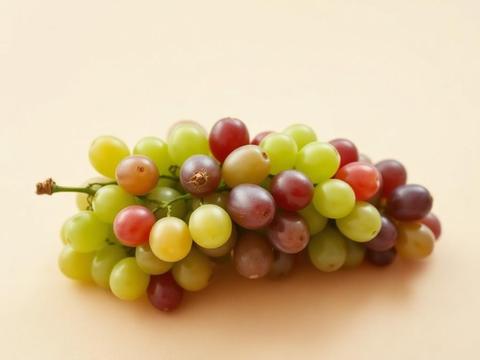
A bunch of green and red grapesTOXIC

Fruit

Grapes

Grapes, raisins, sultanas and currants have been associated with kidney failure in dogs. No safe amount has been established — contact a vet if your dog eats any.

Read the full guide
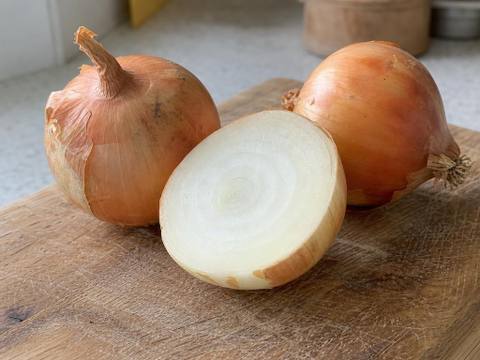
Whole yellow onions and one halved onion on a wooden kitchen boardTOXIC

Vegetables

Onions

Onions belong to the Allium family, and Allium exposure can damage a dog's red blood cells and lead to anemia. Raw, cooked, dried and powdered onion are all a concern, as are sauces, broths and seasoned dishes that contain them. Contact a vet promptly after any ingestion.

Read the full guide
Browse every food in our A–Z guide