The full answer
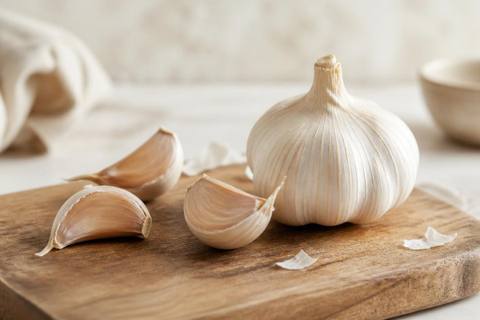
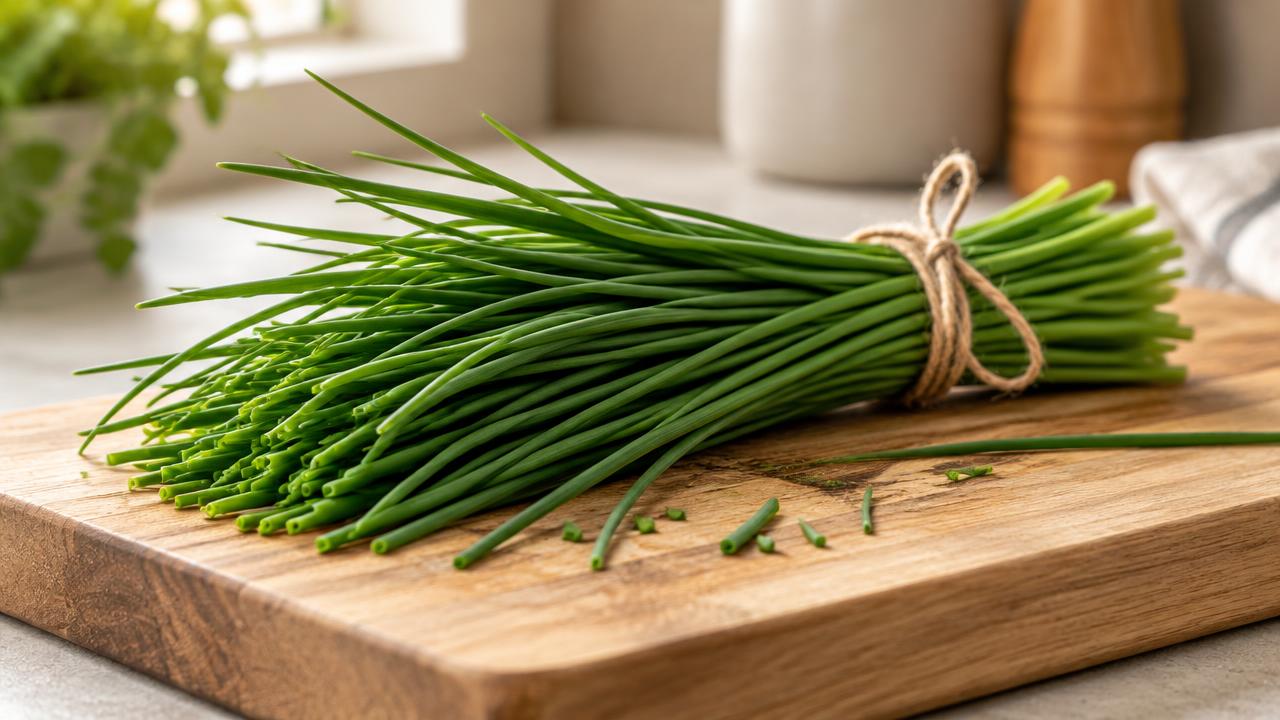
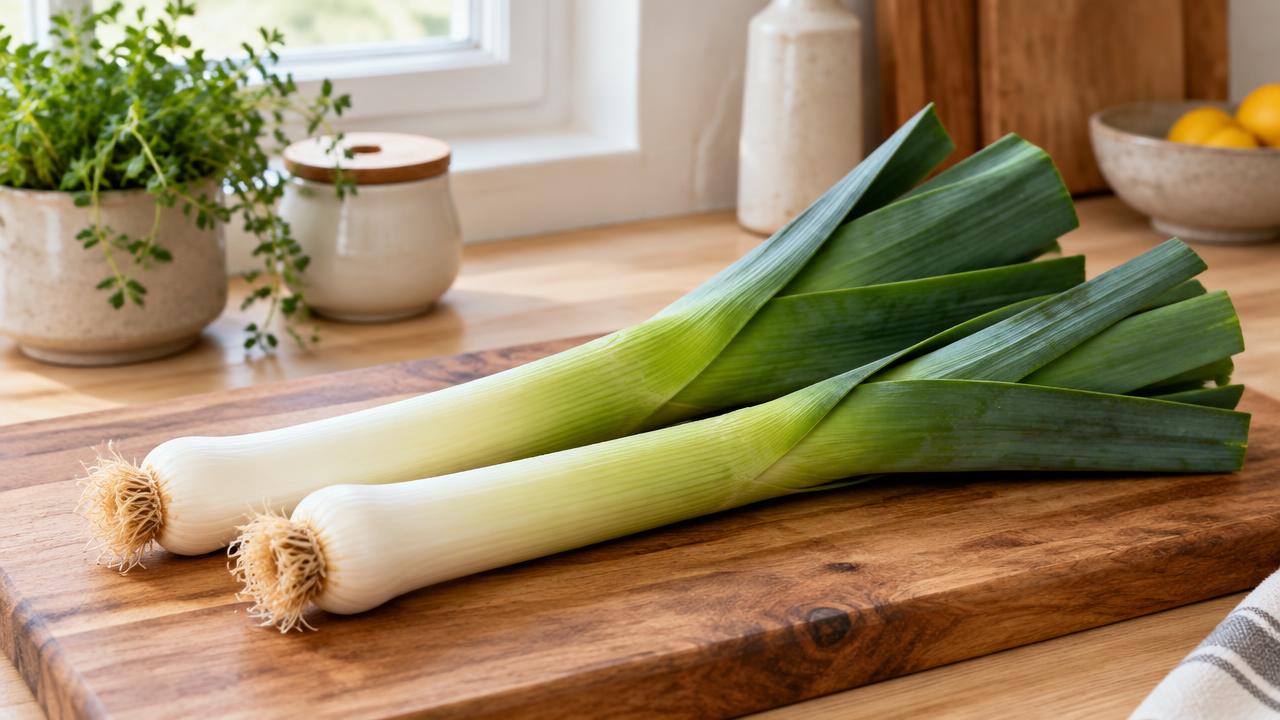
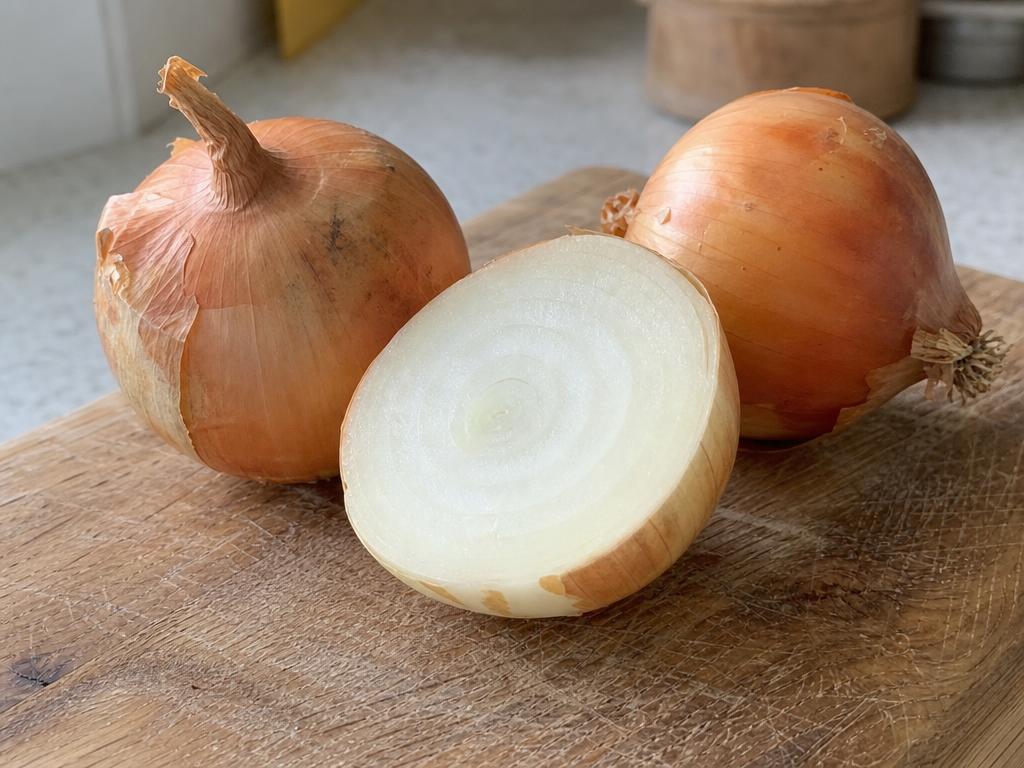
Onions are part of the Allium family, alongside garlic, leeks, chives and shallots. Veterinary toxicology references describe Allium exposure in dogs as causing oxidative damage to red blood cells, which can result in hemolytic anemia. Because of that mechanism, onion is not treated as a food with a dog-safe serving size.
Cooking does not solve the problem. Raw onion, sauteed onion, roasted onion, dried onion flakes and onion powder are all forms of the same ingredient, and concentrated forms such as powder pack more onion into a smaller volume than fresh onion does. Onion powder is also extremely common in stocks, gravies, sauces, marinades, seasoning blends, crisps, savoury snacks and many leftovers, which is why so many accidental exposures come from human meals rather than from a dog eating a raw onion.
How much matters, but not in a way that gives anyone a safe number. Published toxicology guidance discusses risk in relation to the amount eaten, the form of the onion, the size of the dog and individual sensitivity. Kyo's Kitchen does not publish a toxic dose, because a figure taken out of context is easy to misread as permission.
Repeated small exposures are still worth taking seriously. Regularly sharing onion-containing leftovers is not the same as one accidental mouthful, and cumulative exposure is part of why the standard advice is to keep onion out of a dog's food entirely.
Signs are not always immediate. Anemia related to red blood cell damage can develop over a period of days rather than minutes, so a dog who seems fine shortly after eating onion has not necessarily avoided a problem. That delay is a reason to get advice early instead of waiting to see what happens.
If your dog has eaten onion in any form, contact your veterinarian or an animal poison control service promptly and describe what was eaten, roughly how much, when, and your dog's weight. Do not attempt home treatment and do not try to induce vomiting unless a veterinary professional instructs you to.
Are Onions Good for Dogs?
There is no dog-appropriate version of onion. If you want to add flavour to homemade food or treats, use plain dog-safe ingredients instead — plain cooked chicken, plain cooked turkey, or a spoonful of plain pumpkin.
Risks and Things to Know
- Allium compounds can cause oxidative damage to red blood cells, which may lead to anemia
- Cooked, dried and powdered onion are all a concern — cooking does not remove the risk
- Onion powder is concentrated and hides in stocks, gravies, sauces, seasoning blends and savoury snacks
- Signs of anemia can be delayed by days, so a dog may look fine at first
- Small repeated exposures from shared leftovers add up
- Some dogs appear more sensitive than others, so no exposure can be called safe
How Much Can Dogs Eat?
There is no recommended amount. Onion should not be fed to dogs in any quantity or form. Check labels and ingredient lists before sharing any human food, and be careful with leftovers, stock cubes, gravy, pizza, curries and takeaway containers left within reach.
How Should I Prepare It?
- None — onion should never be prepared for dogs. When cooking for your dog, leave onion, garlic, leeks, chives and shallots out of the recipe entirely rather than reducing the amount.