Can Dogs Eat Chives?

TOXIC

TOXIC — chives are toxic to dogs in every form, including fresh, cooked, dried and powdered. Do not feed them.

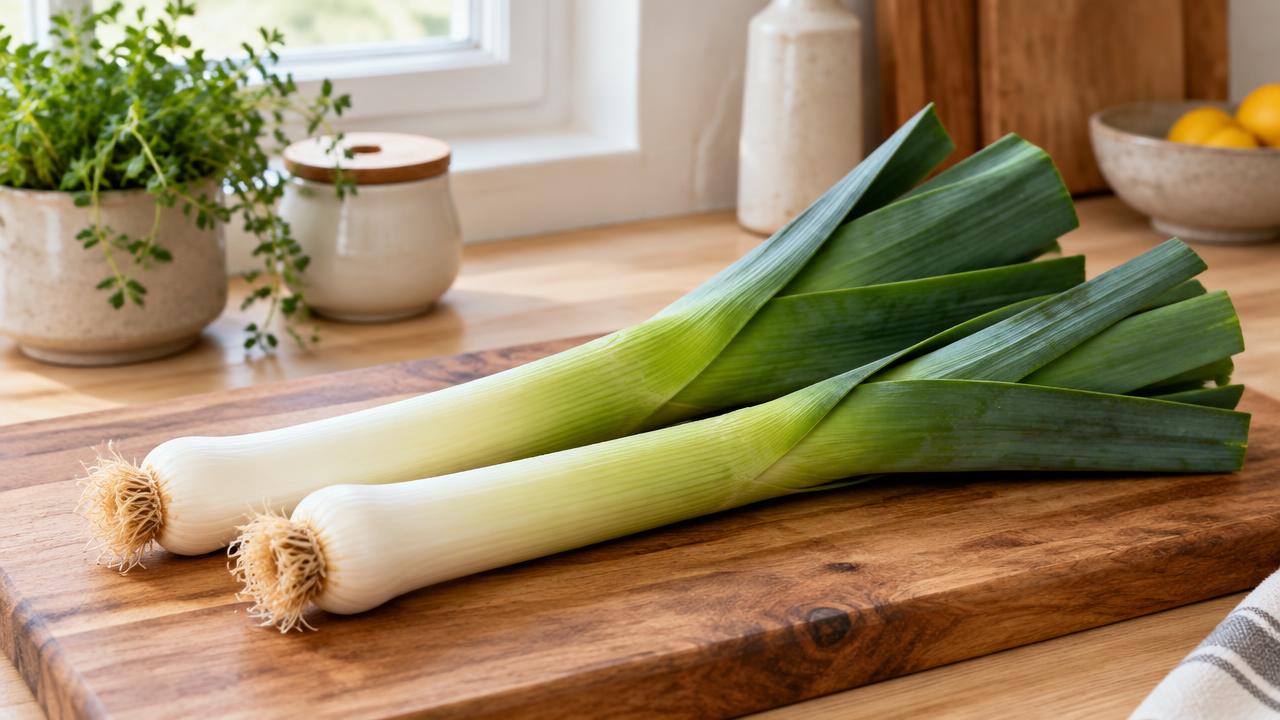
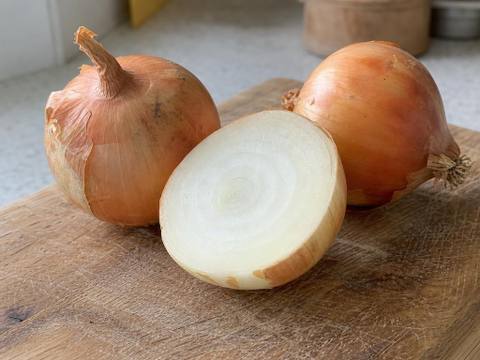
Chives belong to the Allium plant group, together with onion, garlic and leek. Veterinary sources list chives among the Allium species involved in poisoning in dogs. The compounds can damage red blood cells, and signs may appear only after several days.

If your dog has already eaten chives, contact your veterinarian or an animal poison control service straight away — even if your dog seems fine.

See our guide to common toxic foods for dogs for the wider picture.

On this page
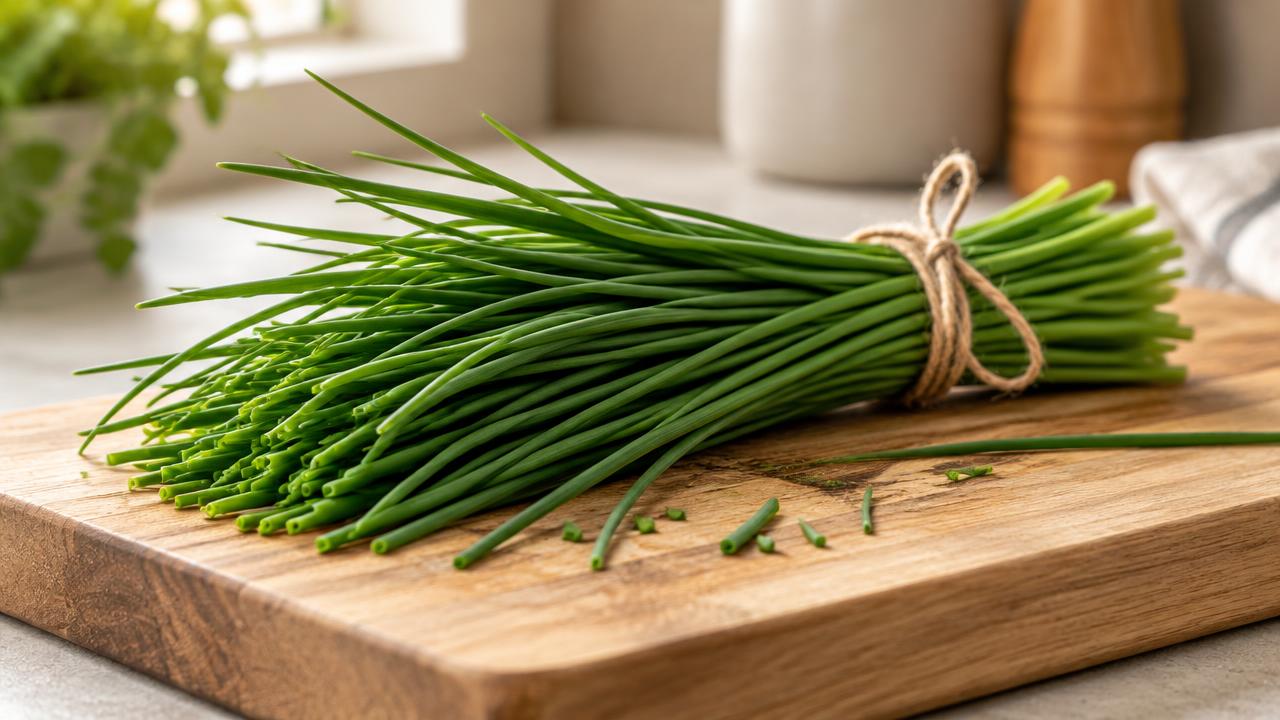
A bunch of fresh chives tied together on a wooden board

Quick answer

Category
Herbs
Recommended preparation
Not suitable in any form
Main concern
Damage to red blood cells (haemolytic anaemia)
Suitable as everyday food
No

The full answer

Chives (Allium schoenoprasum) are an Allium species. The Merck Veterinary Manual names chives with onion, garlic and leek, and describes Allium toxicosis in dogs as oxidative damage to red blood cells that can lead to haemolytic anaemia.

VCA Animal Hospitals states that all forms are poisonous to dogs: raw, cooked, dried, powdered and liquid preparations. Dried and powdered forms are more concentrated because the water has been removed.

This is different from ordinary stomach upset. Vomiting may happen early, but the more serious signs of anaemia — weakness, pale gums, fast breathing or a fast heart rate, and dark or red urine — can take several days to develop.

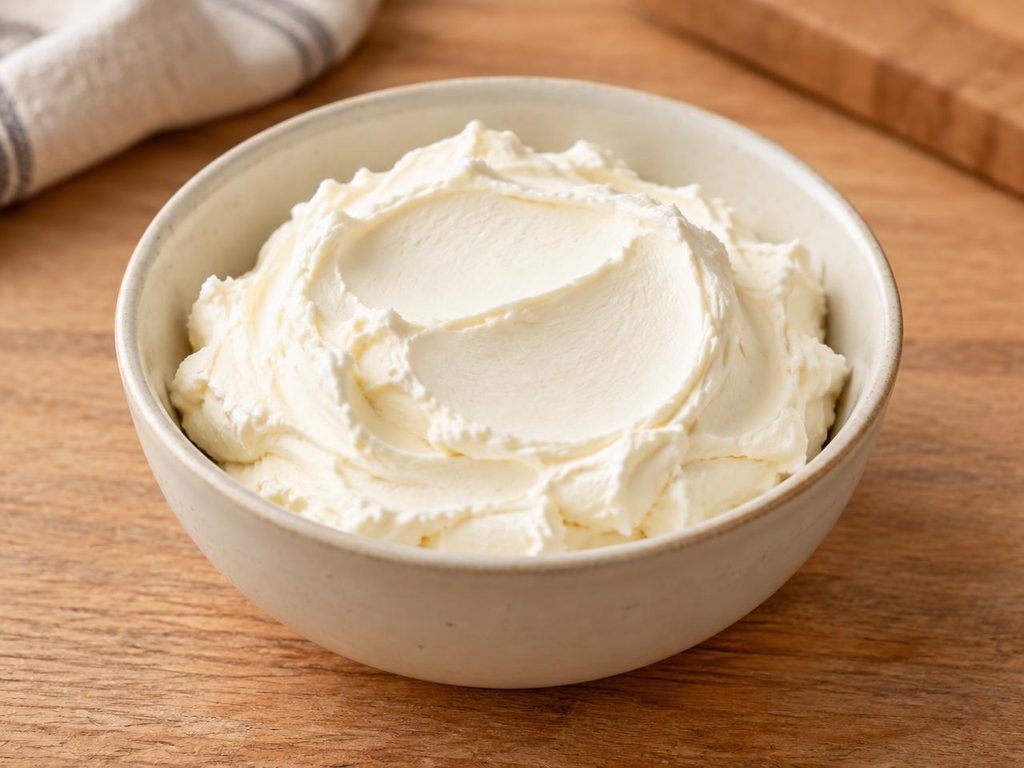
Chives are often hidden in other foods, such as cream-cheese spreads, dips, sauces, potato dishes and seasoning mixes. A food that contains chives needs the same caution as chives on their own.

Risks and Things to Know

  • Allium compounds can damage red blood cells and cause haemolytic anaemia.
  • Cooking does not make chives safe.
  • Dried, freeze-dried and powdered chives are more concentrated than fresh.
  • Signs can be delayed by several days, so a dog that seems fine may still need advice.
  • ASPCA lists vomiting, weakness, a high heart rate, panting and blood in the urine among the clinical signs.

How Much Can Dogs Eat?

There is no amount of chives we would describe as suitable for a dog.

Keep chive plants, chopped chives and chive-seasoned foods out of your dog's reach.

How Should I Prepare It?

  • Chives have no safe preparation for dogs.
  • When sharing food from your own plate, check whether it was made with chives, onion, garlic or leek, including powders and spreads.
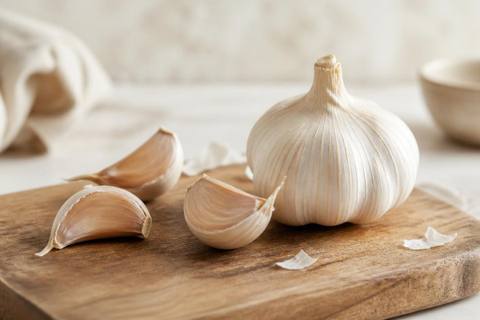
What If My Dog Ate Too Much?

Contact a veterinarian or an emergency veterinary clinic if your dog ate chives or a food containing chives, even if it seems well.

Tell the vet how much your dog may have eaten and what the product or recipe contained.

Watch for weakness, pale gums, fast breathing, tiredness, vomiting or red or dark urine in the following days, and seek care straight away if any appear.

This guide is for general educational purposes and isn't a substitute for advice from your veterinarian. If your dog has eaten something potentially toxic or is showing concerning symptoms, contact a veterinarian promptly.

Frequently Asked Questions

Yes. Chives are an Allium species, like onion and garlic, and veterinary sources list them among the plants that can poison dogs by damaging red blood cells.

No. Veterinary guidance says all forms are poisonous, including cooked and dried. Dried and powdered chives are more concentrated than fresh ones.

No. A spread or dip made with chives contains the same Allium hazard. Contact a vet if your dog ate some.

Yes, contact a vet. Signs of Allium poisoning can take several days to appear, so a dog that seems well at first may still need advice.

Vomiting, weakness, tiredness, pale gums, fast breathing or a fast heart rate, and red or dark urine. Seek veterinary care straight away if you notice any of these.

No. The flowers are part of the same plant. Keep the whole chive plant away from your dog.

How this guide was written

Last updated 30 September 2026. We write from widely published, mainstream pet-health sources and avoid presenting feeding amounts as veterinary prescriptions.

Browse every food in our A–Z guide