Can Dogs Eat Cream cheese?

LIMIT

LIMIT — a small amount of plain, unflavoured cream cheese can be an occasional treat for dogs that tolerate dairy, but it is not everyday food and flavoured spreads need careful ingredient checks.

Plain cream cheese is a high-fat dairy treat, not a regular part of a dog’s diet. Products containing garlic, onion or chives present those separate hazards, and desserts or sugar-free versions need their own ingredient check.

On this page
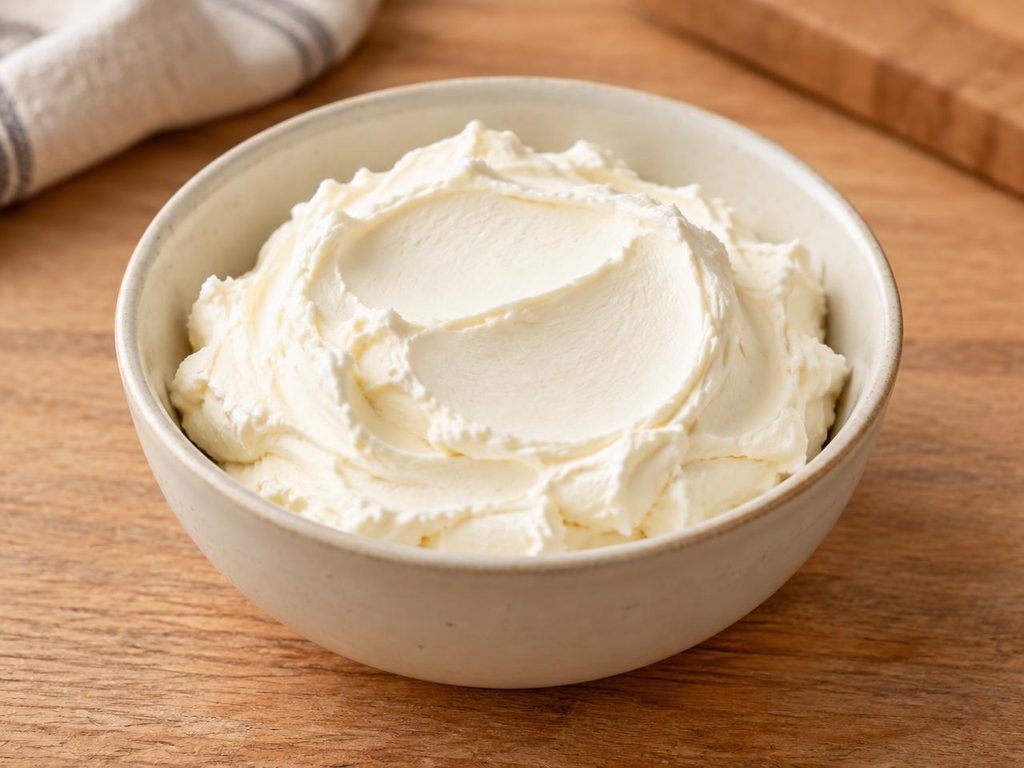
Plain cream cheese in a simple ceramic bowl

Quick answer

Category
Dairy
Recommended preparation
Plain and unflavoured only
Main concern
Fat content, dairy tolerance and added ingredients in spreads or desserts
Suitable as everyday food
No

The full answer

Vet-reviewed guidance lists plain cream cheese among cheeses a dog can have occasionally, and notes that it is high in saturated fat. Light cream cheese may contain less fat than full-fat cream cheese, but fat content varies by product, so read the label.

Cheese in general is a treat rather than part of the diet. Offer only a small amount of plain cream cheese occasionally, especially for dogs that gain weight easily or have sensitive digestion.

Flavoured products are a separate question. Cream cheese products containing garlic, onion or chives present those hazards to dogs. “Herb” on a label does not automatically mean a product contains a toxic ingredient, but it is a reason to read the ingredient list carefully.

Dairy tolerance varies. Cheese generally contains less lactose than milk, but the exact amount varies by product. Dogs with marked dairy intolerance can react even to small amounts, with vomiting, diarrhoea, gas or bloating.

Cream cheese is not cottage cheese. Cottage cheese is a different product with its own page; do not assume the same answer, fat level or lactose level for both.

Risks and Things to Know

  • Cream cheese can be high in saturated fat and calories, especially full-fat versions.
  • Dogs prone to weight gain, digestive upset or pancreatitis may be a poor fit for fatty dairy treats.
  • Products containing garlic, onion or chives present separate hazards to dogs.
  • Dairy-sensitive dogs may get vomiting, diarrhoea, gas or bloating.
  • Cheesecake, frostings and dips add other ingredients such as sugar, chocolate, salt, flavourings or sweeteners. If xylitol is listed or cannot be ruled out after ingestion, contact a vet promptly.
  • Smoked-salmon, pepper and ready-made dip varieties are seasoned mixed foods; the answer depends on the full ingredient list, not only the cream cheese.

How Much Can Dogs Eat?

If you offer it, use a small plain smear occasionally, not a bowl or a daily habit.

Choose plain, unflavoured cream cheese and check the ingredient list first.

Start with a very small amount the first time and watch for digestive upset.

Do not change a diet formulated for your dog by a veterinary nutrition professional without their advice.

How Should I Prepare It?

  • Choose plain and unflavoured.
  • Read the ingredient list for garlic, onion, chives, chocolate, xylitol, alcohol, excess salt and other flavourings.
  • This page covers only plain cream cheese. Desserts, frostings, dips and savoury spreads are mixed products that need their own assessment.
What If My Dog Ate Too Much?

If you know your dog only licked a little plain, unflavoured cream cheese and is acting normally, watch for digestive upset and keep fresh water available.

Contact a vet if the product contained garlic, onion, chives, chocolate or alcohol; if xylitol is present or cannot be ruled out; if your dog ate a large amount; if your dog has a history of pancreatitis; or if vomiting, diarrhoea, pain, bloating or lethargy appears.

A “sugar-free” label is not enough information by itself. Check the ingredients, and treat suspected xylitol exposure as urgent.

This guide is for general educational purposes and isn't a substitute for advice from your veterinarian. If your dog has eaten something potentially toxic or is showing concerning symptoms, contact a veterinarian promptly.

Frequently Asked Questions

A small amount occasionally is described as acceptable for many dogs that tolerate dairy. It is a fatty treat, not everyday food.

Check the ingredients. Products containing garlic, onion or chives are not suitable for dogs. If your dog ate a spread containing any of them, contact a vet for advice.

No. They are different products. Cottage cheese has its own page, and this page does not assume the same fat or lactose profile for both.

Check the ingredients. If xylitol is present or cannot be ruled out after ingestion, contact a vet promptly.

How this guide was written

Last updated 23 September 2026. We write from widely published, mainstream pet-health sources and avoid presenting feeding amounts as veterinary prescriptions.

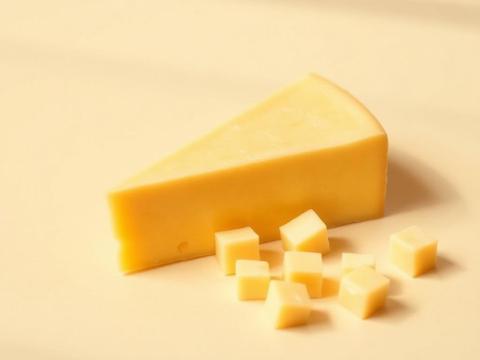
A wedge of cheddar cheese with small cubes
LIMIT

Dairy

Cheese

Small amounts of plain, low-salt cheese are tolerated by many dogs, but cheese is high in fat and salt and many dogs are lactose intolerant.

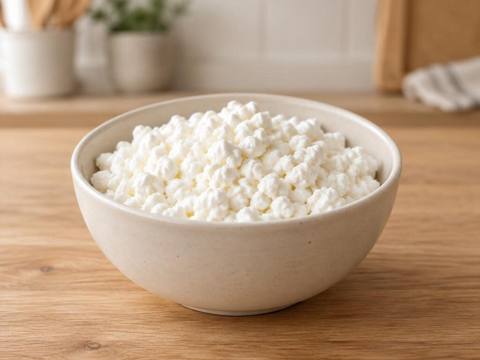
Plain cottage cheese in a ceramic bowl on a wooden kitchen surface
LIMIT

Dairy

Cottage Cheese

Cottage cheese is dairy, and its fat, salt and lactose vary by product. Plain, unsweetened tubs are the simpler choice, while flavoured or sweetened products need a label check before sharing.

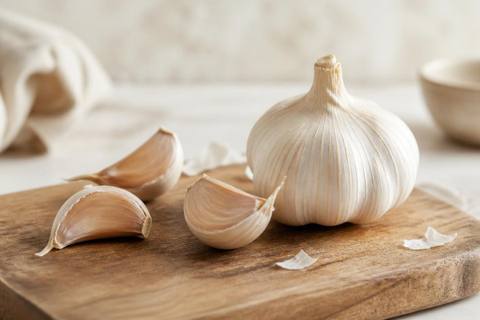
A whole garlic bulb with a few loose cloves on a wooden kitchen board
TOXIC

Herbs

Garlic

Garlic is an Allium, like onion, and Allium exposure can damage a dog's red blood cells. Raw, cooked, dried and concentrated forms — including powders, supplements and garlic bread — should not be treated as dog-safe foods. Contact a vet promptly after any ingestion.

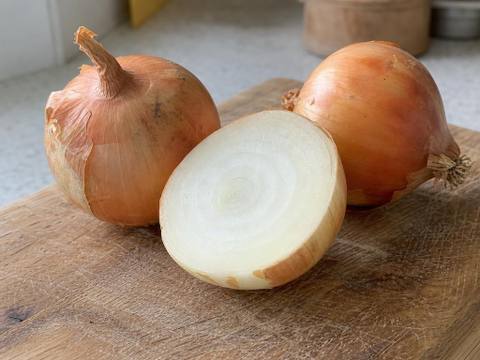
Whole yellow onions and one halved onion on a wooden kitchen board
TOXIC

Vegetables

Onions

Onions belong to the Allium family, and Allium exposure can damage a dog's red blood cells and lead to anemia. Raw, cooked, dried and powdered onion are all a concern, as are sauces, broths and seasoned dishes that contain them. Contact a vet promptly after any ingestion.

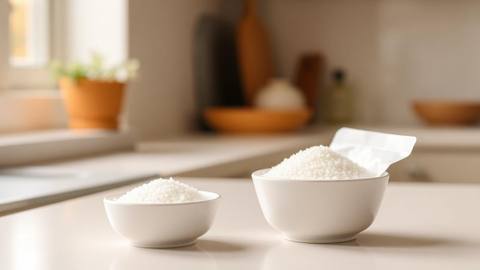
Two small white bowls of fine white sugar-alcohol sweetener granules beside an unlabelled sachet on a pale kitchen counter
TOXIC

Other

Xylitol

Xylitol is a sugar alcohol used to sweeten sugar-free products. In dogs it can trigger a sudden, severe drop in blood sugar, and liver injury has also been reported. It is a poisoning risk, not a portion-size question.

Broken pieces of a dark chocolate bar
TOXIC

Other

Chocolate

Chocolate contains theobromine and caffeine, which dogs metabolise slowly. Darker chocolate and cocoa are the most concerning. Contact a vet after any ingestion.

Browse every food in our A–Z guide