The full answer
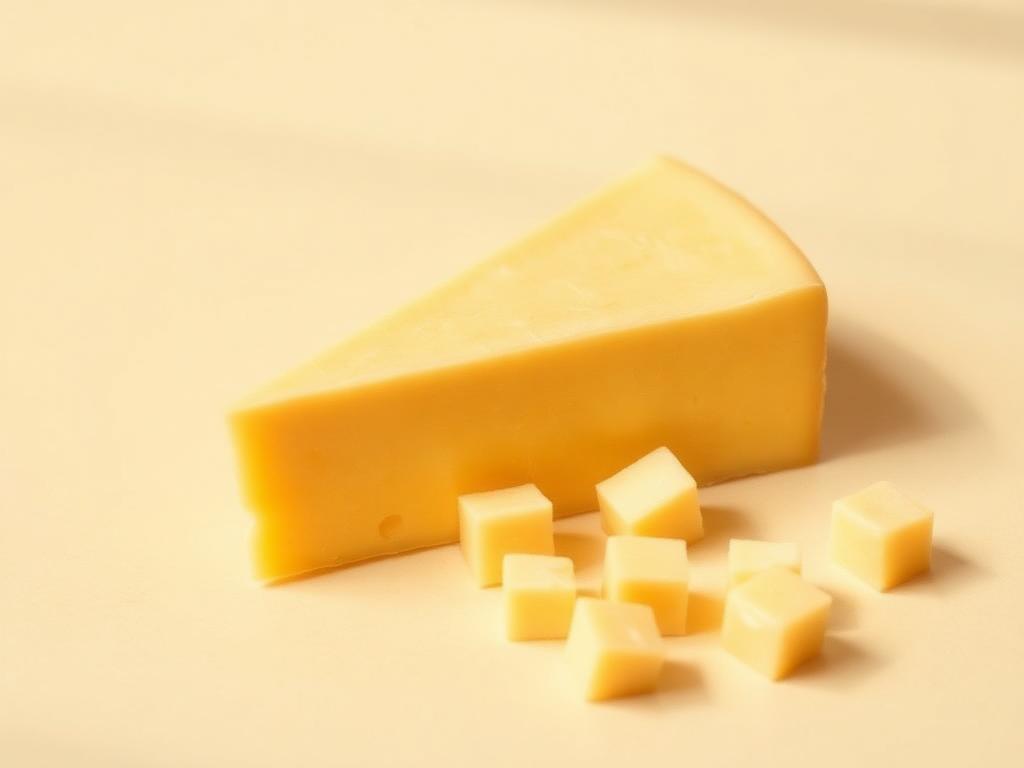
Cheese is not considered toxic to dogs and is widely used as a high-value training treat because dogs find it so appealing.
The reason it belongs in the 'limit' category is fat, salt and lactose. Many adult dogs digest lactose poorly, and rich cheese can upset a dog's stomach or add significant calories.
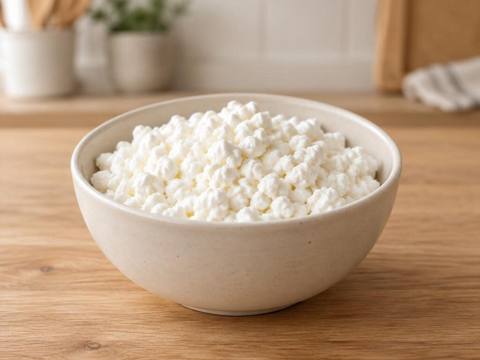
Cheeses are not all alike. Lower-fat options such as mozzarella or plain cottage cheese are the gentler choices. Richer soft cheeses such as brie are high in saturated fat and lactose, aged hard cheeses such as cheddar tend to be high in salt and fat, and processed cheese products such as slices are high in sodium. Blue cheese is the one we advise against entirely, because its moulds can produce roquefortine, a compound that can be harmful to dogs.
Cheese inside a prepared dish is not the same as a plain piece of cheese. Pizza, cheese sauces, macaroni cheese and seasoned bakes add fat, salt and often onion or garlic, and those other ingredients can be the bigger concern. Judge the whole dish, not just the cheese.
Is Cheese Good for Dogs?
Cheese provides protein and calcium, but dogs on a complete diet already get these nutrients.
Its main practical value is as a small, high-value reward or a way to hide medication — if your vet has confirmed that is appropriate for your dog.
Potential benefits
- Very high-value reward for training
- Useful for hiding tablets when your vet approves
- Easy to cut into tiny training-sized pieces
Risks and Things to Know
- High in fat — a known trigger for pancreatitis in susceptible dogs
- High in salt, especially hard and processed cheeses
- Many adult dogs are lactose intolerant and get gas, diarrhoea or vomiting
- Blue cheese is advised against: its moulds can produce roquefortine, a compound that can be harmful to dogs
- Flavoured cheeses may contain onion, garlic, chives or herbs that are unsuitable
How Much Can Dogs Eat?
Think in pea-sized pieces rather than slices, and use it occasionally rather than daily.
Dogs that are overweight, have pancreatitis history, heart disease or need low-sodium diets should not have cheese without veterinary approval.
How Should I Prepare It?
- Choose plain, lower-fat, lower-salt options such as plain cottage cheese or mozzarella in small amounts.
- Cut into tiny pieces for training.
- Avoid blue cheese, flavoured cheeses and anything containing onion, garlic or chives.
- Introduce a small amount first to see how your dog tolerates dairy.