Can Dogs Eat Bacon?

AVOID

AVOID — we recommend not offering bacon as a dog treat.

Bacon is cured, salty and very fatty. It is not treated as a canine toxin, but it is not a treat we would offer.

We recommend not offering bacon as a dog treat because of its salt and fat. If a healthy, symptom-free dog ate one small, known piece of plain bacon, keep water available and monitor its condition. Contact a veterinarian if the amount was concerning — whatever your dog's size — if your dog lapped up bacon grease, if repeated vomiting, belly pain or unusual tiredness develops, or if your dog has pancreatitis, heart or kidney disease. A bacon rub or seasoning mix that may contain garlic or onion needs veterinary advice without waiting for symptoms.

On this page
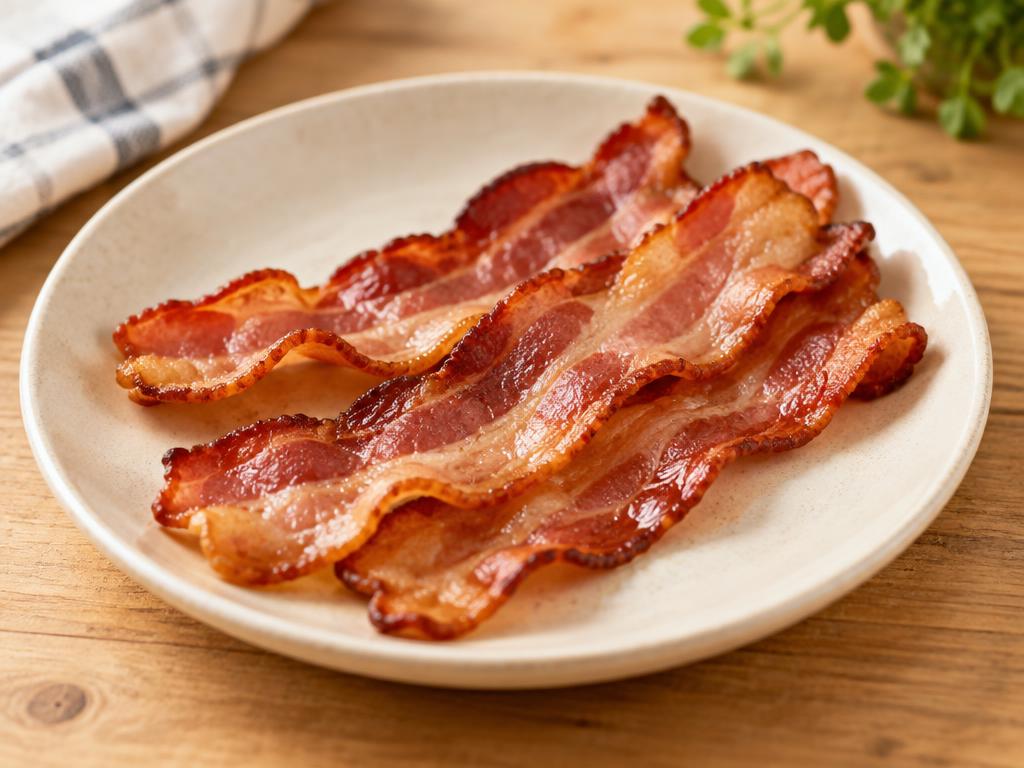
Three cooked bacon rashers on a cream plate

Quick answer

Category
Meat
Recommended preparation
Not recommended — share plain cooked pork instead
Main concern
Salt and fat, plus seasonings such as garlic or onion powder
Suitable as everyday food
No

The full answer

Bacon itself is not treated as a canine toxin, but it is not a treat we would offer. It is cured, salty and very fatty, and those are the properties that can upset a dog's stomach and increase pancreatitis risk.

After an accidental exposure, the known amount, the dog's condition and any seasonings or accompanying foods determine the response.

Is Bacon Good for Dogs?

Plain cooked pork, with nothing added, is considered safe for dogs. Bacon starts as pork and is then cured with salt. Depending on the product, it may also be smoked or contain sugar, pepper or other seasonings.

When you read that pork is fine for dogs, that is about plain cooked meat — not about a rasher from the pan. If you want to share pork, share the plain cooked kind.

Risks and Things to Know

  • Bacon can contain a substantial amount of salt. A large salt intake can cause increased thirst and urination, vomiting, diarrhoea and low mood, and in severe cases tremors or seizures.
  • Bacon is dense in fat, and fatty food places strain on the pancreas. Eating table scraps and other inappropriate food is regarded as a common risk factor for pancreatitis in dogs, and some breeds are more prone to it than others — though in most cases no single cause can be identified.
  • Repeated vomiting, a hunched posture, refusing food, pain in the belly or sudden lethargy are reasons to call a vet rather than wait and see.
  • Poured bacon fat is worse than the meat: it is nearly pure fat and easy for a dog to lap up quickly.
  • Raw or undercooked pork, including raw bacon, carries a parasite risk and is not something to hand over.
  • Bacon-flavoured rubs and seasoning mixes are a separate hazard, since they may contain onion or garlic. Check the actual ingredients rather than assuming what a mix contains.

How Much Can Dogs Eat?

There is no amount of bacon we would present as a sensible treat. Bacon raises risk; that does not mean a particular piece of bacon will make a dog ill, but it is why bacon should not become a habit.

If you want to share meat from your plate, a small piece of plain cooked pork with no seasoning is the better choice.

How Should I Prepare It?

  • Keep bacon, rashers and bacon-wrapped food out of reach rather than portioning it.
  • Never pour bacon grease over a dog's food, and do not leave the pan where a dog can reach it.
  • Do not offer raw or undercooked bacon.
  • Read the ingredients of any bacon-flavoured rub or seasoning mix — onion and garlic powders are toxic to dogs.
  • If you want to share pork, cook a small plain piece with no salt or seasoning.
What If My Dog Ate Too Much?

If a healthy, symptom-free dog ate one small, known piece of plain bacon, keep water available and monitor its condition.

Contact a veterinarian for advice if the quantity was concerning — regardless of the dog's size — if the dog drank grease, develops repeated vomiting, seems painful or unusually tired, or has pancreatitis, heart disease or kidney disease. If the bacon came with a seasoning rub or was wrapped around something else, mention that on the call.

This guide is for general educational purposes and isn't a substitute for advice from your veterinarian. If your dog has eaten something potentially toxic or is showing concerning symptoms, contact a veterinarian promptly.

Frequently Asked Questions

Our AVOID rating is a recommendation not to feed bacon because of its salt and fat; it does not mean every bite causes poisoning. Large salt intakes and toxic seasonings are separate concerns. Assess the actual ingredients and amount eaten.

If your dog is healthy and symptom-free, and it was one small piece without additional seasonings, give access to water and monitor its condition. Contact your vet if the amount or ingredients are uncertain, symptoms develop, or your dog has a condition such as pancreatitis, kidney disease or heart disease.

Not predictably. Fatty scraps are a recognised risk factor rather than a guaranteed cause, and most cases have no single identifiable trigger. That is exactly why we would keep fatty cured meat off the treat list instead of guessing at a safe amount.

We would not. Plain cooked meat or a small amount of a suitable dog-safe spread avoids the cured meat's high salt, although the alternative may still contain fat. Ask your vet what suits your dog's medication.

It is still a cured, salted product, so the same advice applies. “Leaner” does not remove the salt.

How this guide was written

Last updated 18 September 2026. We write from widely published, mainstream pet-health sources and avoid presenting feeding amounts as veterinary prescriptions.

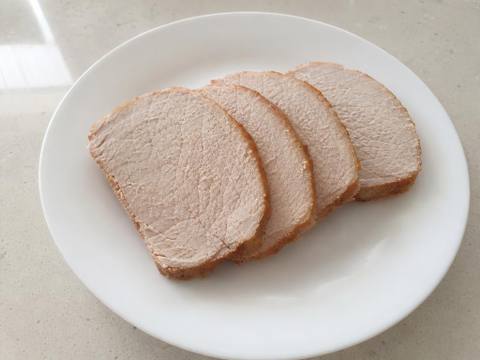
Slices of plain thoroughly cooked unseasoned pork loin on a white ceramic plate
LIMIT

Meat

Pork

Plain cooked pork with the fat trimmed off is an acceptable occasional protein. The reason for the LIMIT rating is everything else: raw pork, fat, bones, seasoning, and cured products such as bacon, ham and sausage.

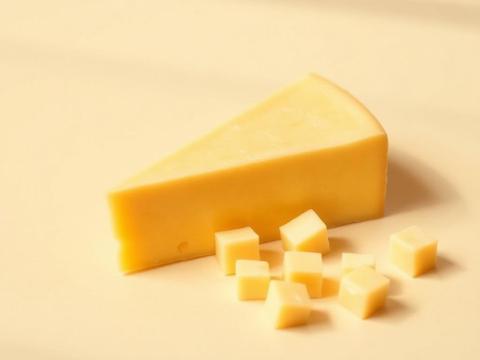
A wedge of cheddar cheese with small cubes
LIMIT

Dairy

Cheese

Small amounts of plain, low-salt cheese are tolerated by many dogs, but cheese is high in fat and salt and many dogs are lactose intolerant.

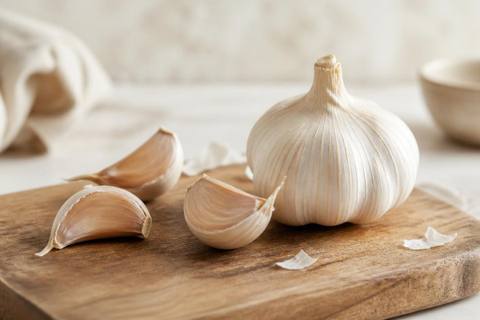
A whole garlic bulb with a few loose cloves on a wooden kitchen board
TOXIC

Herbs

Garlic

Garlic is an Allium, like onion, and Allium exposure can damage a dog's red blood cells. Raw, cooked, dried and concentrated forms — including powders, supplements and garlic bread — should not be treated as dog-safe foods. Contact a vet promptly after any ingestion.

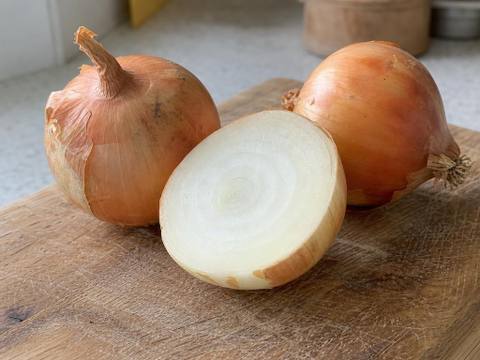
Whole yellow onions and one halved onion on a wooden kitchen board
TOXIC

Vegetables

Onions

Onions belong to the Allium family, and Allium exposure can damage a dog's red blood cells and lead to anemia. Raw, cooked, dried and powdered onion are all a concern, as are sauces, broths and seasoned dishes that contain them. Contact a vet promptly after any ingestion.

Plain cooked sausages on a ceramic plate on a wooden kitchen surface
AVOID

Meat

Sausage

A sausage is a processed product, and depending on the recipe it can carry a lot of salt, a lot of fat, and seasonings that matter. Plain, unseasoned cooked meat is a separate question.

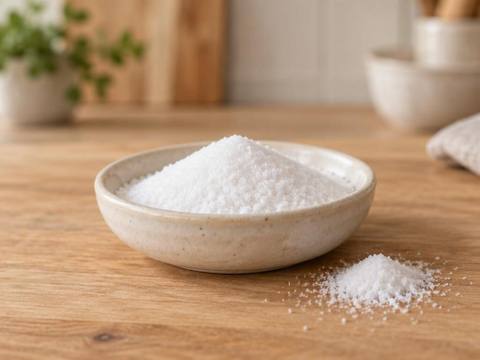
White table salt in a small ceramic dish on a wooden kitchen surface
AVOID

Other

Salt

Do not add salt to treats or table scraps for your dog. If you know your dog ate only a small bite of an ordinary salted food, that is different from eating loose salt, salt dough or de-icing salt, or drinking seawater.

Browse every food in our A–Z guide