Can Dogs Eat Sausage?

AVOID

AVOID — we recommend not offering sausage as a dog treat. If it contains onion or garlic, that is a separate poisoning question.

A sausage is a processed product, and depending on the recipe it can carry a lot of salt, a lot of fat, and seasonings that matter. Plain, unseasoned cooked meat is a separate question.

We recommend not offering sausage as a dog treat, because salt, fat and seasonings vary from product to product. Start by reading the packet. If it contains onion or garlic in any form, contact a veterinarian or an out-of-hours emergency vet for advice and take the packet or a photo of the ingredients with you. Do the same if the amount was large relative to your dog's size, if you do not know what was in it, if your dog has a health condition affected by salt or fat, or if you see any change — repeated vomiting, diarrhoea, obvious discomfort, unusual thirst, lethargy or tremors. If a healthy, symptom-free dog stole a small piece of a plain sausage whose ingredients you have read and which contains no onion or garlic, keeping water available and watching is usually reasonable — and if anything changes or you are unsure, phone. Do not induce vomiting on your own initiative.

On this page
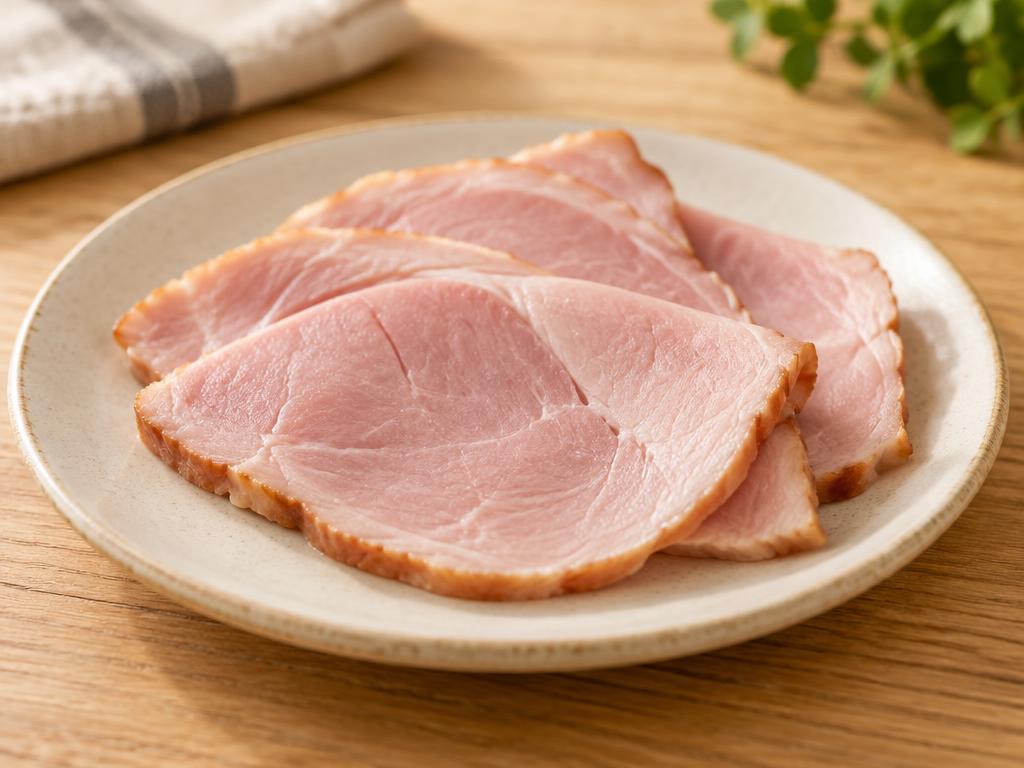
Plain cooked sausages on a ceramic plate on a wooden kitchen surface

Quick answer

Category
Meat
Recommended preparation
Not recommended — a small piece of plain unseasoned cooked meat instead
Main concern
Salt and fat, and onion or garlic seasoning
Suitable as everyday food
No

The full answer

This page is about manufactured sausage products: grillimakkara, lenkki, nakit, salami and other cured sausages, breakfast sausage, seasoned or smoked sausage. The reason we recommend against it is not that meat is bad for dogs — it is that a sausage is a processed product whose salt, fat and seasoning vary from recipe to recipe.

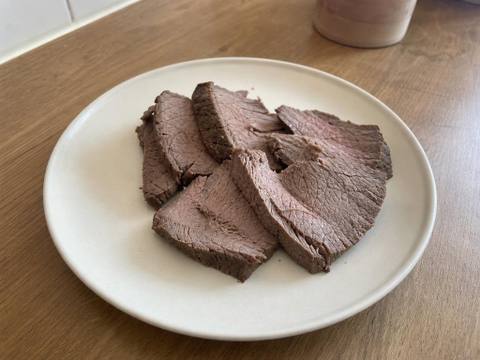
If the ingredient list includes onion or garlic, that is no longer a “not ideal treat” question: both damage red blood cells and can lead to anaemia, and powdered forms are concentrated, so it takes less of them to cause a problem. Plain fresh meat is not this page — unseasoned cooked pork, beef, chicken, lamb and turkey are covered by their own pages.

Is Sausage Good for Dogs?

Grillimakkara, lenkki, nakit, salami and a butcher's fresh sausage are not interchangeable. Salt, fat and seasoning differ from product to product, and we cannot tell you what is in the one in your fridge. Read the ingredients: that is the whole practical skill this page is trying to teach. We will not publish a gram limit, because we have no source that establishes one.

Risks and Things to Know

  • Salt. Excessive salt intake can cause increased thirst and urination and, depending on the amount, abnormal blood electrolytes; signs of salt toxicity can include vomiting, diarrhoea, depression, tremors and seizures. Many cured sausages are salty — some more than others.
  • Fat. Pancreatitis is a recognised condition in dogs and dietary fat is among the risk factors discussed in veterinary references. Some sausages are high in fat. A risk is not a prediction: we are explaining why we would not make a fatty sausage a routine treat, not telling you what will happen.
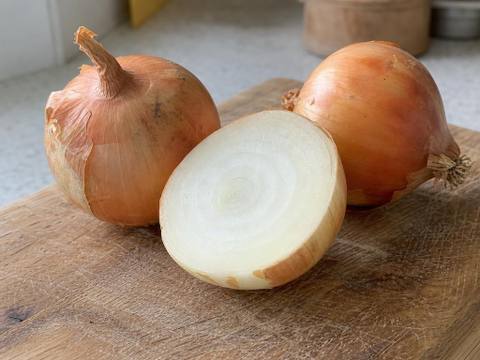
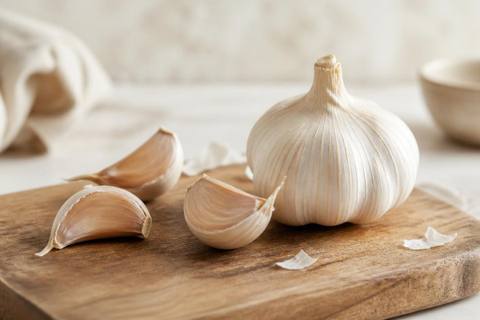
  • Onion and garlic. These are Allium species; they cause gastrointestinal irritation and red blood cell damage that can lead to anaemia, and minced or powdered forms are concentrated, so a smaller quantity matters more. Plenty of sausages are seasoned with onion or garlic powder.
  • Grilling season makes this a weekly question here: a mustard-striped grillimakkara at the summer cottage, nakit at a children's party, a dropped piece by the grill. “Grilled” does not change the salt, fat or seasoning in the sausage itself — and the sausage that lands on the ground is exactly the one nobody checked the ingredients on.

How Much Can Dogs Eat?

We publish no gram limit and no safe amount, because no source establishes one for sausage.

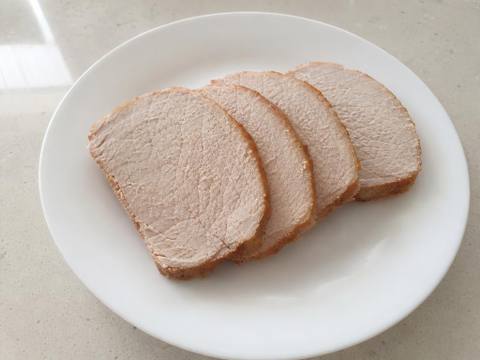
If you want a grill-day treat for the dog, a piece of plain unseasoned cooked meat is a much easier product to know the contents of.

How Should I Prepare It?

  • Read the ingredient list before anything else — onion and garlic in any form change the answer.
  • Keep sausages, skewers and dropped pieces away from the dog at a barbecue rather than portioning them out.
  • If you want to share meat, cook a small plain piece with no salt or seasoning.
What If My Dog Ate Too Much?

Start by reading the packet. If it contains onion or garlic in any form, contact a vet or an out-of-hours emergency vet for advice, and take the packet or a photo of the ingredients with you.

Do the same if the amount was large relative to your dog's size, if you do not know what was in it, if your dog has a health condition affected by salt or fat, or if you see any change — repeated vomiting, diarrhoea, obvious discomfort, unusual thirst, lethargy, tremors.

If a healthy, symptom-free dog stole a small piece of a plain sausage whose ingredients you have read and which contains no onion or garlic, keeping water available and watching is usually reasonable — and if anything changes or you are unsure, phone. Do not induce vomiting on your own initiative.

This guide is for general educational purposes and isn't a substitute for advice from your veterinarian. If your dog has eaten something potentially toxic or is showing concerning symptoms, contact a veterinarian promptly.

Frequently Asked Questions

Sausage as such is not on the poison lists; we classify it as a food we recommend against offering. But if it is seasoned with onion or garlic, those ingredients are a real poisoning concern.

Still a processed product. Read the ingredients, keep it occasional at most, and be aware some products are salty or fatty. We will not name a safe amount.

That is a different question with its own page — see pork, beef, chicken and turkey. Plain, unseasoned and unsalted is the version we are talking about there.

Call a vet for advice and bring the ingredient list. Garlic damages red blood cells and powdered forms are concentrated.

Cooking method is not the main issue. What is in the sausage — salt, fat, seasoning — is.

How this guide was written

Last updated 18 September 2026. We write from widely published, mainstream pet-health sources and avoid presenting feeding amounts as veterinary prescriptions.

Browse every food in our A–Z guide