The full answer
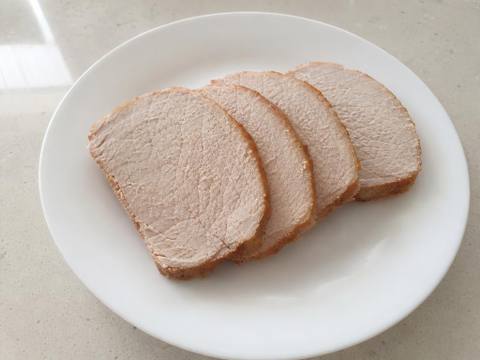
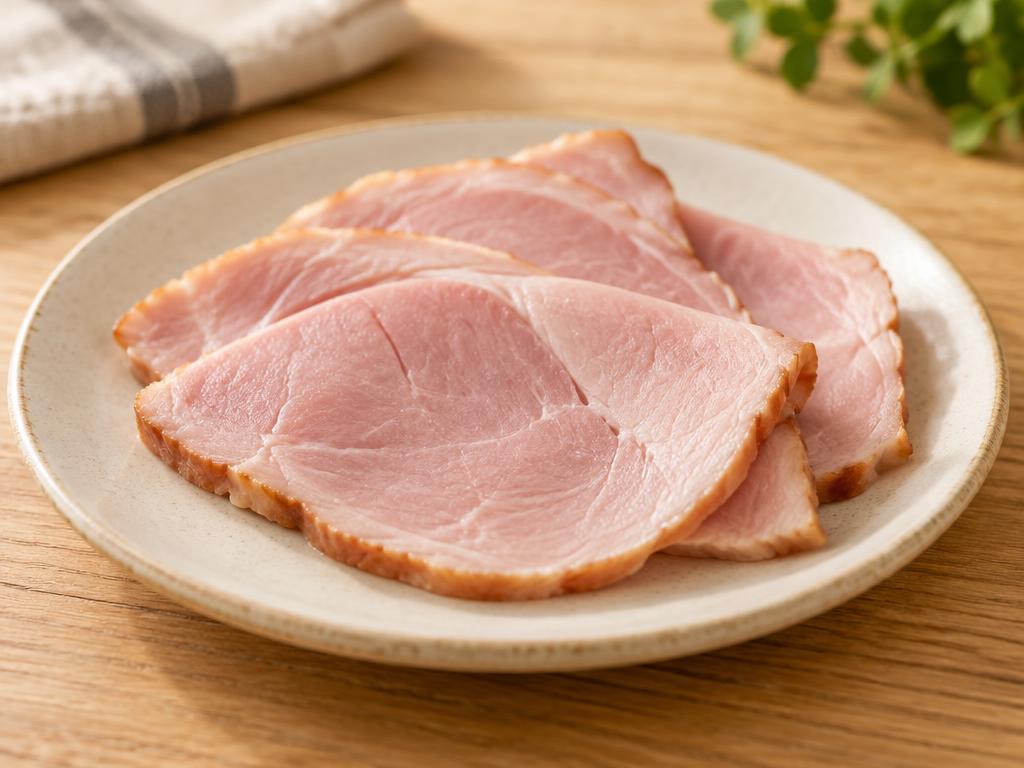
Our AVOID recommendation applies to cured or salted ham: deli and sandwich ham, and salted Christmas ham. It rests on the curing salt and on the glazes, juices and bones that may accompany some products — not on a claim that ham is poisonous, and not on pork itself. Fresh, unsalted pork leg is ordinary pork, and our pork page covers it.
Salt and fat content vary from product to product, so check the label of the ham in front of you rather than assuming. Some Christmas hams come with a glaze, pan juices or a bone, and each of those needs separate consideration. A small accidental piece of plain ham is unlikely to harm a healthy dog, but we would not offer it regularly.
Is Ham Good for Dogs?
Ham supplies protein, but a complete dog food already meets that need. Cured ham can contain substantial salt; check the label for the particular product.
A complete dog food already supplies dietary fat too, so ham is not needed for that purpose and adds calories to the diet.
Risks and Things to Know
- Too much salt can cause vomiting, diarrhoea, noticeable thirst and urination, lethargy or fluid retention, and severe intakes can lead to kidney damage, seizures or coma.
- Some ham cuts and trimmings contain a lot of fat. Fatty scraps can upset a dog's stomach, and eating inappropriate table scraps is associated with pancreatitis risk. This does not mean any single slice will cause pancreatitis.
- Christmas ham may have a mustard-and-breadcrumb crust, and pan juices may contain substantial salt and fat.
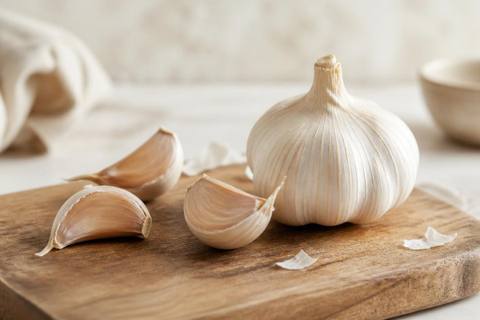
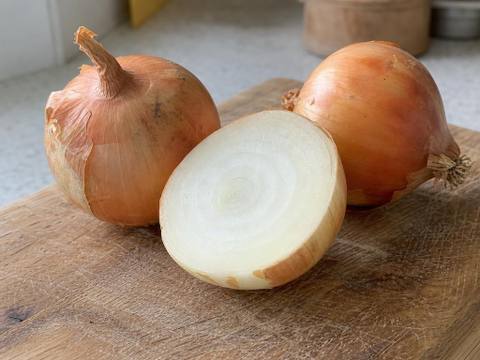
- Marinades, glazes or sauces vary and may contain garlic or onion, which are genuinely toxic to dogs rather than simply unsuitable.
- A cooked ham bone is not a chew toy. Cooking dries bone out and makes it brittle, so it splinters into sharp pieces, and swallowed bone can injure or block the gut badly enough to need surgery.
How Much Can Dogs Eat?
We would not build a treat portion out of cured ham at all. If you want the dog to be part of the meal, the safest share is a small piece of unseasoned, unglazed cooked meat — or better, keep to their own food and give the attention instead.
Treats of all kinds come out of the day's calories, so a festive extra means a smaller meal, not an addition on top.
How Should I Prepare It?
- Check the label of the particular ham product for salt and fat rather than assuming.
- Keep glaze, crust and pan juices away from the dog entirely.
- Bin ham bones and their wrapping where the dog cannot reach them.
- If you share anything from the roast, make it a small piece of plain, unglazed, unseasoned cooked meat.