The full answer
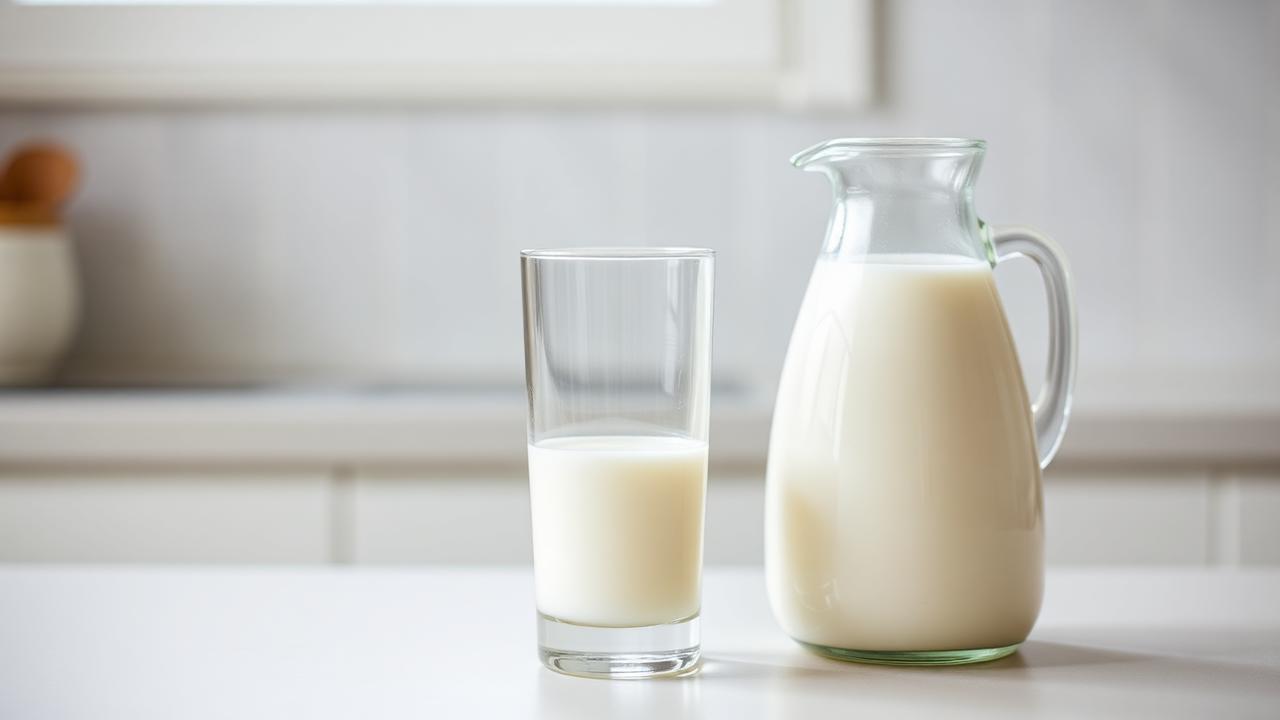
Milk itself is not toxic to dogs, and a splash is not an emergency. The reason we classify it as LIMIT is digestion rather than danger.
Puppies produce plenty of lactase, the enzyme that breaks down the sugar in milk, because they are built to drink it. Production usually falls after weaning, which is why a lot of adult dogs handle milk poorly. That is a general pattern, not a rule that applies to every dog: some adults drink a small amount with no visible effect at all, while others get wind and loose stools from a spoonful.
When milk is not digested properly, the lactose passes further down the gut and draws in water, which is what produces the bloating, gurgling, flatulence and diarrhoea owners notice a few hours later.
There is also a plainer point. Milk brings fat, sugar and calories, and for a dog on a complete diet none of that is needed. It is a treat, and it should be counted as one.
Flavoured milks are a different question entirely. Chocolate milk is not a treat option for dogs — see our chocolate guide for why.
Is Milk Good for Dogs?
Not especially. Milk contains protein, calcium and fat, but a complete dog food already supplies those in the right balance.
Its most practical use is as a small carrier for something else, such as softening a food or hiding a tablet, and even then only for dogs that tolerate it.
If your dog reacts badly to milk, there is nothing being lost by leaving it out.
Potential benefits
- Provides protein, calcium and fat, though nothing a balanced diet does not already cover.
- A very small amount can make an unappealing food or a tablet easier to accept in dogs that tolerate dairy.
Risks and Things to Know
- Wind, bloating, stomach gurgling and loose stools in dogs that digest lactose poorly.
- Extra calories and fat, which add up quickly in small dogs and contribute to weight gain.
- Whole and full-fat milk carries more fat, which can upset sensitive dogs more readily.
- Flavoured and sweetened milks add sugar, and chocolate milk is not suitable at all.
- Cow's milk is not a substitute for puppy milk replacer in orphaned or hand-reared puppies.
How Much Can Dogs Eat?
Think tablespoons rather than bowls. A small splash is enough to find out how your dog responds.
Offer it once and wait a day before repeating it. Signs of poor tolerance usually show within several hours.
Treats and extras, milk included, are generally best kept to a small share of daily calories, with the rest coming from a complete diet.
If your dog gets loose stools, wind or an uncomfortable stomach, stop offering milk. There is no benefit worth pushing through for.
How Should I Prepare It?
- Offer plain milk only, with no added sugar, flavouring or sweetener.
- Serve it at room temperature in a shallow dish, in a small amount.
- Do not use milk to replace water; fresh water should always be available.
- Check the label of any flavoured or sugar-free product, since sugar-free versions can contain sweeteners that are unsafe for dogs.
- Keep chocolate milk and milkshakes away from dogs entirely.