The full answer
We would not give a dog ordinary human ice cream. Three separate things are going on, and it helps to keep them apart.
First, lactose: after puppyhood most dogs produce less of the enzyme that digests milk sugar, so dairy often means wind, loose stools or vomiting — uncomfortable, not poisonous. Second, fat and sugar: ice cream is energy-dense, adds nothing a dog needs, and rich fat is associated with pancreatitis.
Third, and quite different from the other two, particular ingredients that are genuinely toxic to dogs — xylitol in sugar-free products, chocolate and coffee in many flavours. A small, known taste of plain vanilla in a healthy, symptom-free dog is different from exposure to xylitol or chocolate. Check what the tub actually contains; suspected exposure to a toxic ingredient requires prompt veterinary advice.
Is Ice Cream Good for Dogs?
Puppies digest their mother's milk with lactase and produce less of it after weaning, so many adult dogs are lactose intolerant to some degree — AKC's Chief Veterinary Officer describes the result as ranging from mild to severe gastrointestinal discomfort: loose stools, diarrhoea, vomiting, stomach pain or gas.
High-fat dairy is also capable of causing pancreatitis. Dogs can additionally be allergic to milk protein itself, with digestive symptoms or irritated, itchy skin. Some dogs do handle a small amount of plain vanilla without trouble, but tolerance varies and that is not an argument for offering it.
Risks and Things to Know
- Chocolate ice cream, chocolate chips, a chocolate flake or a coffee flavour bring methylxanthines, which are toxic to dogs, and the darker the chocolate the higher the risk.
- Nut and candy pieces, raisins in some desserts, and mix-ins of all kinds each carry their own issue. The flavour on the tub is the first thing to read, not the last.
- Sugar-free frozen desserts may contain xylitol, so check the ingredients before sharing any. Xylitol can cause a rapid fall in blood sugar and may damage the liver. Contact a vet or emergency vet immediately if your dog has eaten or may have eaten a product containing xylitol, even if they seem well. Xylitol may also be listed as birch sugar.
- Oat-, coconut- and soy-based frozen desserts avoid lactose, but their sugar, fat, sweeteners and flavourings vary. Removing lactose does not answer the other ingredient questions.
How Much Can Dogs Eat?
There is no portion of ordinary human ice cream we would recommend. Before feeding, simply skip a product whose ingredient list is unclear. After ingestion, uncertainty about potentially toxic ingredients calls for veterinary advice.
If considering a frozen dessert formulated for dogs, check its ingredients and feeding guidance rather than treating the category as automatically suitable.
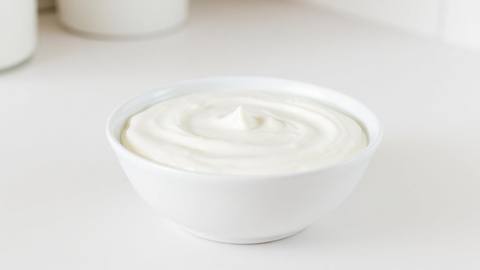
At home, plain yogurt can be frozen, but dairy tolerance varies between dogs and the product's lactose, fat, sugar and sweetener content must be checked. Skip it for a dog with a known dairy problem. Frozen yogurt made for people varies by product and needs the same ingredient check. Blended, frozen ripe banana is a simple non-dairy alternative. Our own frozen treat recipes use yogurt, so the same caution applies: they suit dogs that tolerate dairy, not every dog.
How Should I Prepare It?
- Read the flavour and the full ingredient list before any ice cream is anywhere near the dog.
- Skip the product entirely if the ingredient list is unclear, especially with sugar-free or “light” desserts.
- For a hot day, choose a frozen treat made for dogs, blended frozen banana, or — for dogs that tolerate dairy — a small amount of plain frozen yogurt.
- Keep tubs, cones and wrappers off low tables and out of open bins.