The full answer
Rice appears in many commercial dog foods and is one of the carbohydrates vets often include in temporary bland feeding plans.
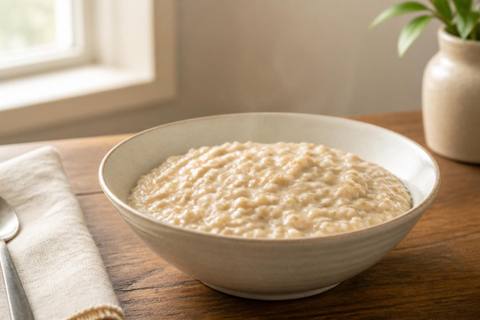
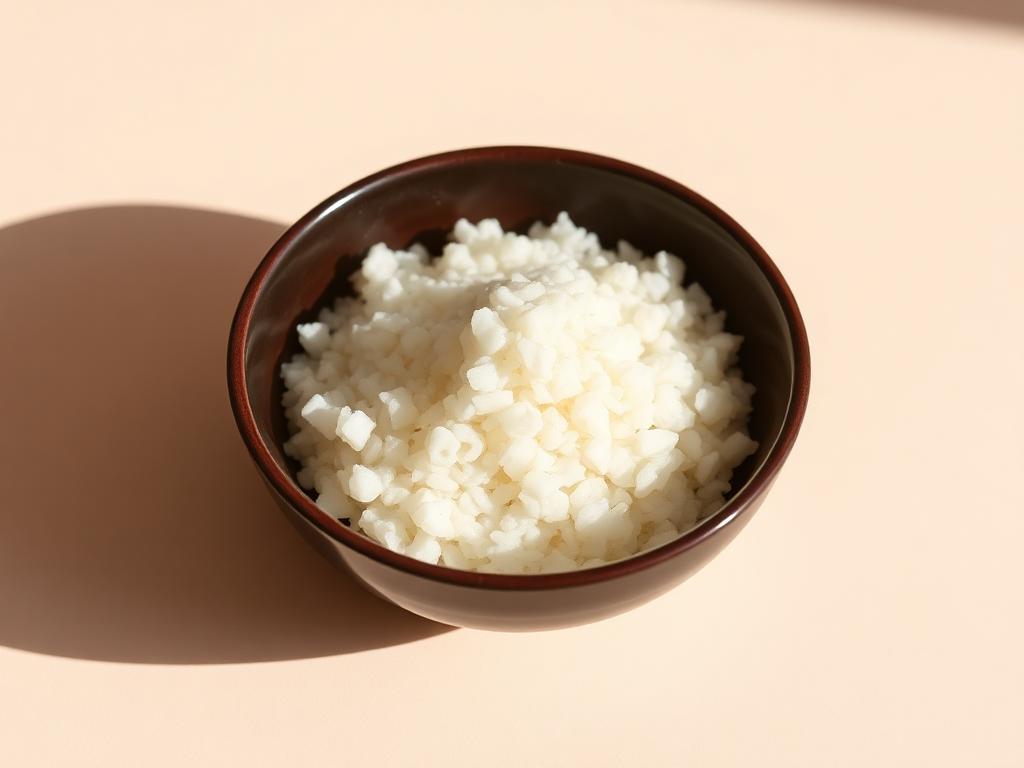
Plain rice cooked in water is the version that matters here. Fried rice, pilafs and takeaway rice usually contain oil, salt, onion or garlic and are not suitable.
White and brown rice are both fine when plain and well cooked. White rice is the one vets typically use in a short-term bland diet because it is easy to digest; brown rice has more fibre and can be harder for some dogs to digest. A bland meal is something your vet recommends for a specific problem and period — it is not a routine feeding plan, and rice is not a treatment in itself.
Is Rice Good for Dogs?
Rice is an easily digestible source of carbohydrate energy. White rice is generally gentler on the stomach, while brown rice retains more fibre.
Rice alone is not a balanced meal. If your dog needs a bland diet, follow your vet's instructions rather than feeding rice long term.
Potential benefits
- Easy to digest and widely tolerated
- Cheap, quick and simple to prepare
- Frequently used in vet-guided bland feeding plans
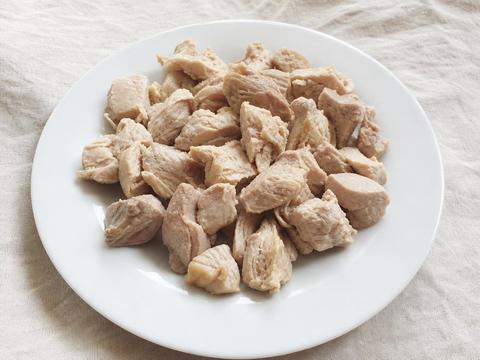
- Pairs well with plain cooked chicken
Risks and Things to Know
- Fried, seasoned or takeaway rice may contain onion, garlic, salt and oil
- Rice adds calories and can contribute to weight gain in large portions
- Undercooked rice is hard to digest
- Dogs with diabetes may need carbohydrate intake managed by their vet
How Much Can Dogs Eat?
As a topper, a spoonful or two mixed into food is usually enough for a medium dog.
For bland feeding after illness, follow your vet's specific instructions on ratio and duration rather than a generic online number.
How Should I Prepare It?
- Cook in plain water until soft — no salt, stock, butter or oil.
- Cool fully before serving.
- White rice is typically easier to digest; brown rice needs longer cooking.
- Store leftovers refrigerated and use promptly.