Can Dogs Eat Chicken?

SAFE

SAFE — Plain cooked chicken is generally safe for dogs.

Plain, thoroughly cooked, boneless and unseasoned chicken is a common dog food ingredient. Bones, skin and seasonings are the risks.

On this page
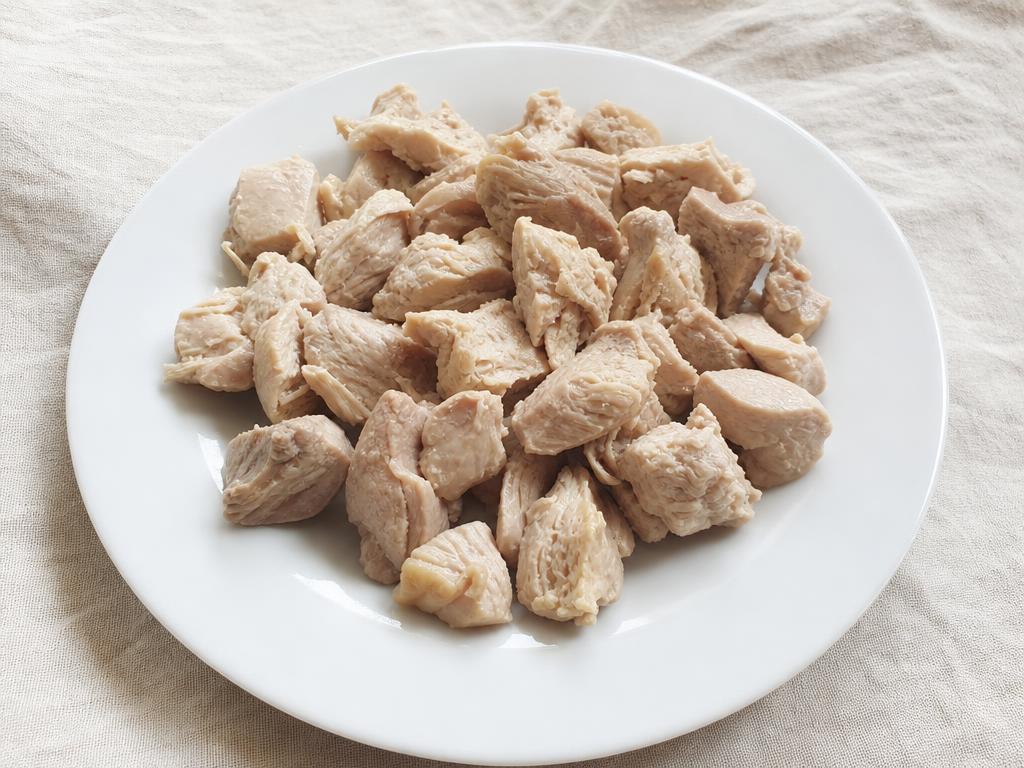
Bite-sized pieces of plain cooked boneless, skinless chicken meat on a white plate

Quick answer

Category
Meat
Recommended preparation
Thoroughly cooked, boneless, skinless, unseasoned
Main concern
Cooked bones, seasonings such as onion and garlic, fatty skin
Suitable as everyday food
Common diet ingredient — balance with your vet

The full answer

Chicken is one of the most common protein sources in commercial dog food, and plain cooked chicken is frequently used as a treat or topper.

Almost all of the risk comes from how it is prepared: cooked bones can splinter, skin is fatty, and typical human seasonings — particularly onion and garlic — are not appropriate for dogs.

Cooked chicken bones are the main hazard. They can splinter into sharp pieces that may cause choking, cut the stomach or intestines, or cause a blockage. Not every swallowed bone causes injury, but you cannot tell at home whether a fragment will pass safely, so if your dog has eaten cooked bones, call your vet for advice even if they seem well. Contact a vet immediately if your dog is choking, gagging, retching, drooling heavily, vomiting, straining, has blood in the stool, a painful belly or seems lethargic. Do not try to make your dog vomit unless a vet tells you to.

The SAFE rating applies to plain, boneless, skinless chicken cooked without additions. Fried or breaded chicken, including nuggets, is high in fat and may contain onion or garlic; heavily seasoned, marinated or rotisserie chicken often contains salt, onion or garlic; and processed chicken products are not a good regular treat. A stolen nugget is unlikely to be an emergency, but these are not the chicken this page rates as SAFE.

Is Chicken Good for Dogs?

Chicken is a lean, highly digestible source of protein for most dogs.

Plain chicken alone is not a complete diet. Home-prepared diets need to be balanced by a vet or veterinary nutritionist.

Potential benefits

  • Lean, digestible protein
  • Highly palatable — useful for training or tempting fussy eaters
  • Easy to portion and freeze
  • Widely used in vet-recommended bland feeding plans

Risks and Things to Know

  • Cooked bones can splinter and cause serious internal injury
  • Onion, garlic, salt, marinades and stock cubes are not suitable for dogs
  • Skin and fatty cuts are high in fat, which is a concern for some dogs
  • Raw chicken carries bacterial risks for both dogs and the people in the household
  • Chicken is a known allergen in some dogs

How Much Can Dogs Eat?

As a treat or topper, a small amount of shredded chicken is usually enough — a spoonful for a small dog, a little more for a large dog.

If you want chicken to be a regular part of meals, ask your vet how much to add and what to reduce so the overall diet stays balanced.

How Should I Prepare It?

  • Cook thoroughly — no pink meat.
  • Remove all bones and skin.
  • Boil, steam, bake or poach with nothing added: no oil, salt, onion, garlic or stock.
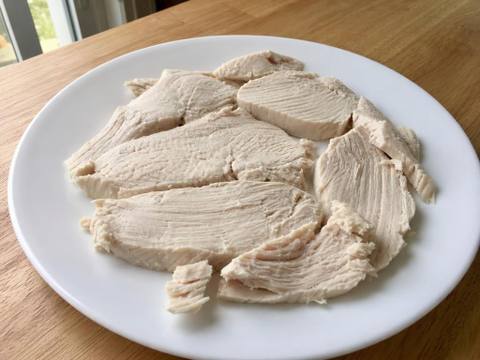
  • Shred or dice into pieces sized for your dog and cool before serving.
Can Puppies Eat Chicken?

Small amounts of plain cooked chicken are commonly used as a high-value puppy training reward.

Puppies need carefully balanced nutrition for growth, so extras should stay small and be discussed with your vet.

What If My Dog Ate Too Much?

A large amount of rich or fatty chicken can cause vomiting or diarrhoea, and high-fat meals are a known trigger for pancreatitis in susceptible dogs.

If your dog ate cooked bones, or has repeated vomiting, a painful or bloated belly, black stools or lethargy, contact your vet promptly.

This guide is for general educational purposes and isn't a substitute for advice from your veterinarian. If your dog has eaten something potentially toxic or is showing concerning symptoms, contact a veterinarian promptly.

Frequently Asked Questions

No. Cooked bones can splinter and cause choking, internal injury or a blockage. If your dog has eaten cooked bones, call your vet for advice even if they seem fine, and contact a vet immediately if they are choking, retching, vomiting, straining or have a painful belly. Do not try to make your dog vomit unless a vet tells you to.

Raw feeding is debated and carries bacterial risks for dogs and people. If you are considering it, discuss handling and diet balance with your vet first.

It is usually seasoned and salted, and often rubbed with garlic or onion powder, so it is not a good choice. Plain home-cooked chicken is safer.

They are not a good choice. Fried and breaded chicken is high in fat, which can cause digestive upset and is a known pancreatitis trigger, and it may contain onion or garlic. One stolen nugget is unlikely to be an emergency, but do not give them as treats.

Only plain broth without onion, garlic or a lot of salt, such as homemade or low-sodium broth, in small amounts. Many shop-bought broths and stock cubes contain onion or garlic.

How this guide was written

Last updated 15 August 2026. We write from widely published, mainstream pet-health sources and avoid presenting feeding amounts as veterinary prescriptions.

Treat Recipes Using Chicken

Browse every food in our A–Z guide