The full answer
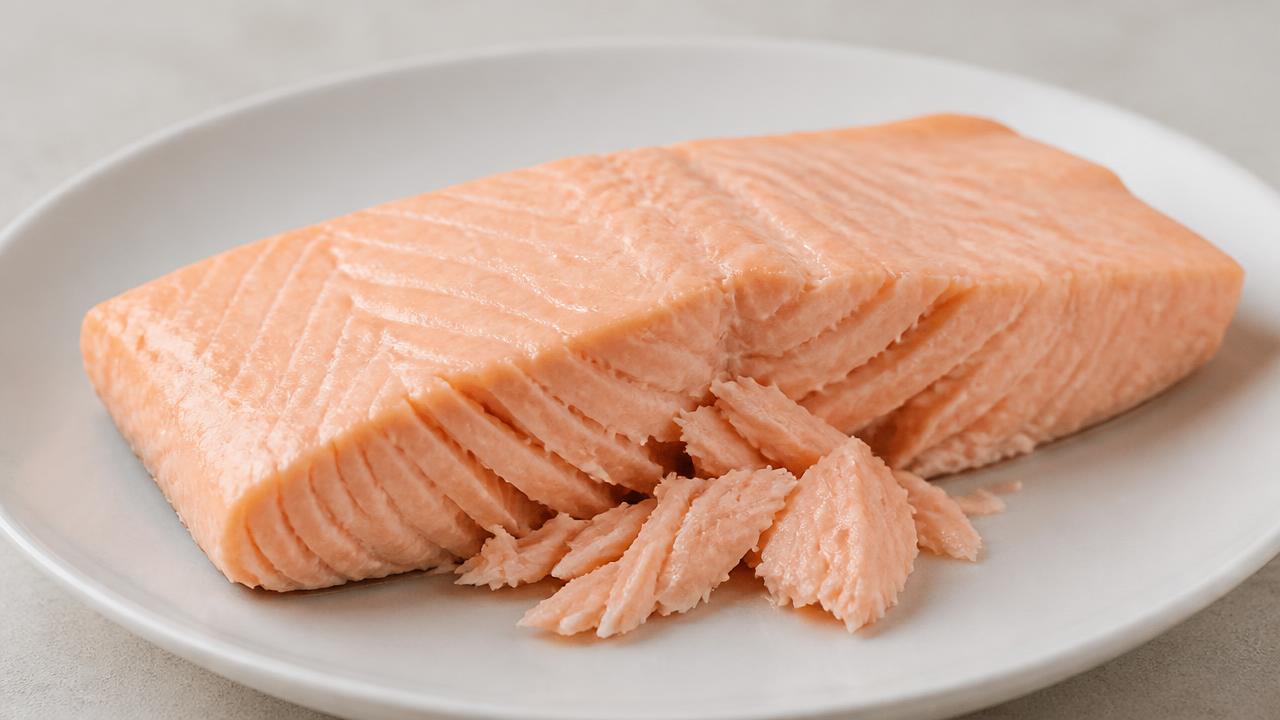
Salmon is a mainstream protein for dogs and appears in plenty of commercial dog foods. Our SAFE rating applies to a specific version of it: cooked all the way through, with no seasoning, no sauce and no bones.
Raw salmon is the important exception. In parts of the Pacific Northwest of North America, raw or undercooked salmon and related fish can carry a parasite that harbours an organism causing salmon poisoning disease in dogs, which is serious and needs veterinary treatment. This is a geographically and biologically specific risk tied to particular fish and waterways, and it would be wrong to imply that all raw fish everywhere carries the same danger. Cooking removes the risk, which is a simple reason to cook the fish.
Bones are the everyday hazard. Salmon contains fine pin bones that are easy to miss, and cooked bones in general can splinter. Run your fingers over the fillet before cooking and remove anything you feel.
Preparation is the other thing that turns a good food into a poor one. Smoked and cured salmon is very salty. Restaurant and home-cooked salmon is often seasoned with garlic, onion or a marinade, and those are a genuine problem for dogs rather than a matter of taste.
Salmon does provide protein and omega-3 fatty acids. We would rather describe that plainly than promise coat, joint or brain benefits from a piece of fish on top of dinner.
Is Salmon Good for Dogs?
Yes, when it is cooked plain and boneless. It is a digestible protein that many dogs find highly palatable, which makes it useful as a topper for fussy eaters.
It supplies omega-3 fatty acids alongside protein. Those are genuinely present, but a modest amount of fish on top of a complete diet is a supplement to an already balanced meal rather than a treatment for anything.
It is also a useful alternative protein for dogs that are being kept away from a particular meat, though any diet change for a suspected food sensitivity should be planned with your vet.
Potential benefits
- A digestible, palatable source of protein.
- Contains omega-3 fatty acids, which are part of a normal balanced diet.
- Useful as an occasional alternative protein or as a topper to encourage a reluctant eater.
Risks and Things to Know
- Raw or undercooked salmon from affected regions can carry the parasite associated with salmon poisoning disease in dogs, which requires veterinary treatment.
- Pin bones and cooked bones can choke a dog or damage the digestive tract.
- Smoked, cured and canned-in-brine salmon is high in salt.
- Seasoning, marinades and sauces frequently contain onion or garlic, which are not safe for dogs.
- Salmon skin is fatty and often the saltiest, most seasoned part of the fillet.
- Too much fatty fish at once can cause digestive upset.
How Much Can Dogs Eat?
Treat salmon as a topper or an occasional protein rather than a daily staple. A small dog might have a tablespoon of flaked fish; a large dog a small handful.
Keep treats and extras to a modest share of the day's food so the main diet stays balanced.
Introduce it in a small amount the first time, particularly for dogs with sensitive stomachs.
If your vet has your dog on a specific diet for a medical reason, check before adding fish.
How Should I Prepare It?
- Cook the salmon all the way through — no rare centre, no raw preparations such as sushi or sashimi.
- Remove all bones, including the fine pin bones, and check the fillet with your fingers before serving.
- Serve it plain: no salt, no butter or oil, no garlic, onion, herbs, marinade or sauce.
- Skip the skin, or at least keep it for dogs with no weight or fat issues and only when it is plain and unseasoned.
- Let it cool to room temperature and flake it before adding a small amount to your dog's usual food.
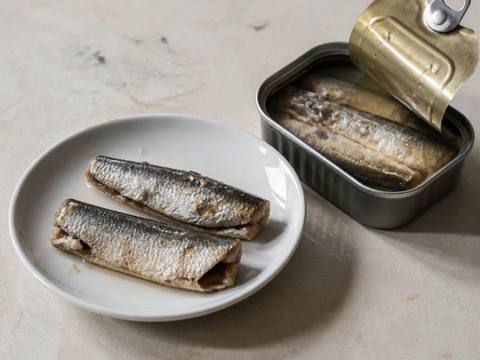
- If you use canned salmon, choose one packed in water with no added salt, and drain it.