The full answer
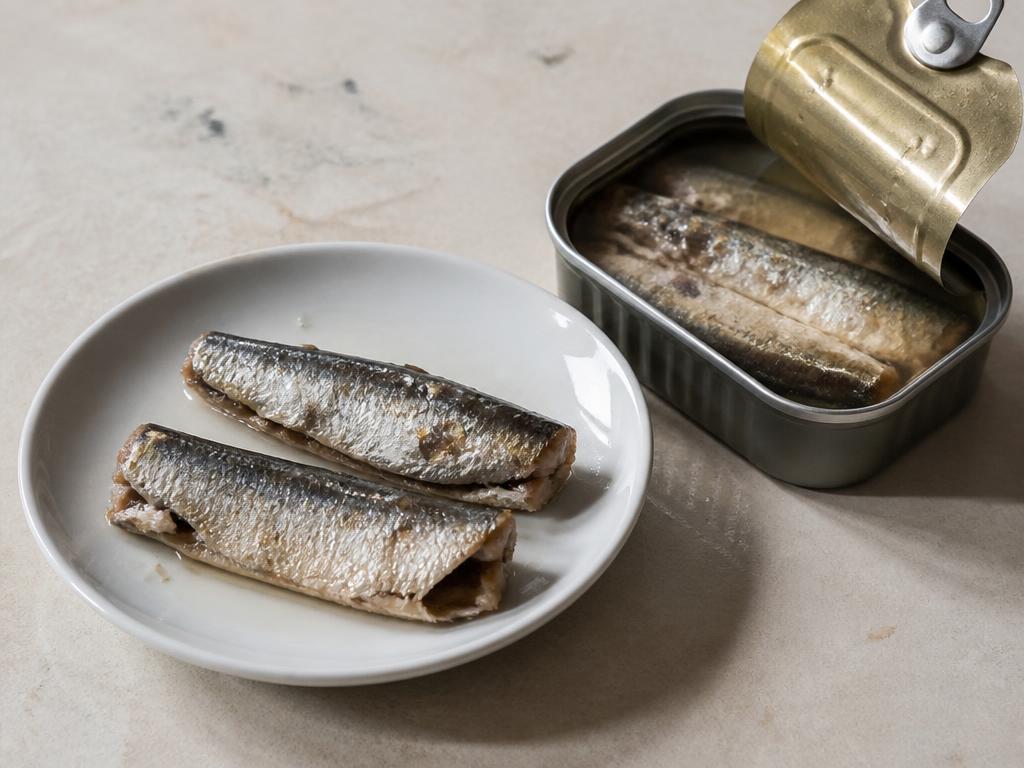
Sardines are a small oily fish and plain ones are a reasonable occasional extra for dogs. They are soft, easy to break up over food, and popular with dogs who are not otherwise interested in fish. Because sardines are small and eaten whole, the fine bones are soft enough that they are not treated the same way as the hard bones in larger fish — but that only applies to properly cooked or tinned sardines, not to the bones of large fish.
The version you buy is what decides whether sardines are suitable. Tinned sardines come in water, oil, brine, tomato sauce, mustard, chilli and smoked varieties. For dogs, plain sardines in water with no added salt are the option we would use, drained before serving. Brine and salted tins carry far more sodium than a dog needs, oil-packed tins add a lot of fat, and sauced tins can contain onion, garlic and spices.
If you are cooking fresh sardines instead, cook them plainly — no oil, salt, lemon, garlic or herbs — and let them cool. Do not offer raw fish: raw and undercooked fish carries a parasite and bacterial risk.
Portion sense is the last piece. Sardines are rich and calorie-dense for their size, and a dog who gets a whole tin will often have loose stools. We deliberately do not publish mercury calculations or dose tables. The practical answer is that sardines are a small occasional extra, not a daily food, and we make no claims that they treat or prevent any condition — omega-3 supplementation for a specific health problem is a decision for your vet, at a dose they set.
Are Sardines Good for Dogs?
Sardines provide animal protein, marine omega-3 fatty acids and minerals, and they are highly palatable, which makes a small amount useful for tempting a fussy eater or adding interest to a meal. Those are nutritional properties, not treatments. A dog eating a complete diet is not deficient, and if you are considering fish oil for a skin, joint or heart problem, ask your vet rather than self-treating with tinned fish.
Potential benefits
- Animal protein and marine omega-3 fatty acids in a very palatable form
- Soft texture that breaks up easily over food, useful for fussy eaters
- Small fish, so the soft bones in a plain tin are not handled like large fish bones
Risks and Things to Know
- Most tinned sardines are packed in brine, oil or sauce — salt, fat, onion, garlic and spices all make them unsuitable
- Smoked and heavily salted fish carries far too much sodium for a dog
- Rich and calorie-dense, so a generous portion often causes loose stools
- Raw fish carries a parasite and bacterial risk and should not be offered
- Fatty fish in quantity is not appropriate for dogs with pancreatitis or on a fat-restricted diet without veterinary advice
- Fish bones from larger fish are a different matter entirely and should never be given
How Much Can Dogs Eat?
Part of a sardine is enough for a small dog, and one sardine is a reasonable occasional treat for a medium or large dog. A whole tin is too much for almost any dog in one sitting.
Offer it occasionally — once or twice a week at most as a small extra — rather than daily, and keep total treats to a small share of the day's calories. Ask your vet before adding oily fish regularly to a dog on a prescribed diet.
How Should I Prepare It?
- Choose plain sardines tinned in water with no added salt, or fresh sardines
- Drain tinned sardines well and rinse them if the label lists any salt
- Cook fresh sardines thoroughly and plainly, then let them cool — never serve raw fish
- No oil, butter, salt, lemon, garlic, onion, herbs or sauces
- Break the fish into small pieces suited to your dog and serve plain or over their usual food
- Avoid smoked, brined, marinated and sauce-packed tins entirely