The full answer
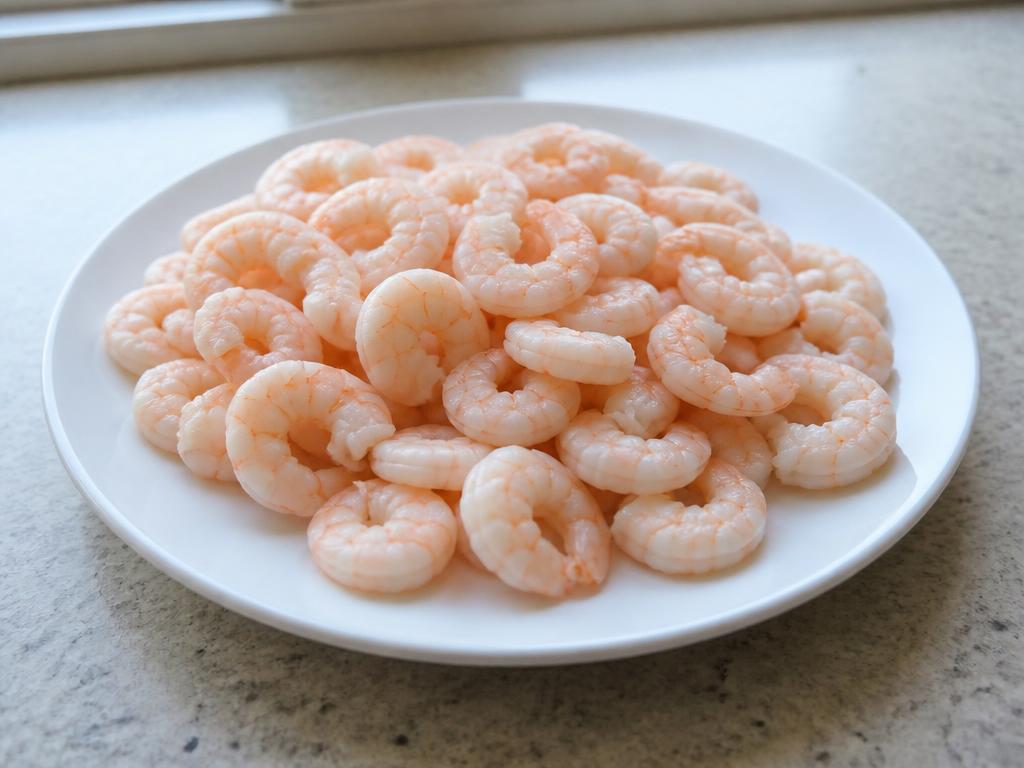
Plain cooked shrimp is a reasonable occasional treat for most dogs. It is lean, high in protein and not toxic. The SAFE rating here is conditional: it applies to shrimp that has been fully cooked, peeled and served with nothing on it. Almost every problem people run into with shrimp comes from the preparation rather than the shrimp.
The shell, tail, legs and head are the first thing to deal with. They are sharp, hard to digest and a plausible choking hazard, and pieces of shell can irritate the gut on the way through. Tails in particular get treated as harmless because they look small, but a swallowed tail is a rigid, pointed object. Remove all of it and you have removed most of the physical risk.
Raw and undercooked shrimp is a separate concern. Raw shellfish can carry bacteria and parasites, and both the person handling it and the dog eating it can be affected. Cooking properly deals with that. We would not recommend feeding raw shrimp, and we would be especially careful with puppies, older dogs and any dog with a suppressed immune system.
Then there is how shrimp is usually served to people. Garlic butter, scampi, salt, chilli, soy, batter and breadcrumbs are all common, and each of those is a reason to say no. Garlic is an Allium and unsafe for dogs, heavily salted food is not appropriate, and fried or breaded shrimp adds a fat load that can upset a dog's stomach and, in susceptible dogs, contribute to pancreatitis. Plain shrimp and restaurant shrimp are not the same food.
Is Shrimp Good for Dogs?
Shrimp is a lean source of protein and contains nutrients such as vitamin B12, phosphorus and some omega-3 fatty acids. That makes it a perfectly decent treat, but a dog eating a complete diet already gets what it needs. We would not claim shrimp does anything special for a dog's coat, joints or health, and we would not use it as a reason to feed it regularly. It is a tasty, low-calorie treat for dogs who like fish and seafood.
Potential benefits
- Lean, high in protein and relatively low in calories for a meat treat
- Contains vitamin B12, phosphorus and some omega-3 fatty acids
- Soft texture when cooked plainly, which suits older dogs and fussy eaters
Risks and Things to Know
- Shells, tails, legs and heads are choking hazards and can irritate or injure the digestive tract
- Raw or undercooked shrimp can carry bacteria and parasites
- Garlic, onion, butter, salt and spices used in cooking shrimp are unsuitable for dogs
- Battered or fried shrimp is high in fat and can cause vomiting, diarrhoea or contribute to pancreatitis in susceptible dogs
- Shellfish can trigger an allergic reaction in a small number of dogs
- Shrimp is relatively high in cholesterol and sodium compared with some other lean proteins, so it suits occasional use rather than daily feeding
How Much Can Dogs Eat?
Shrimp is a treat. A small dog might have a piece of one shrimp; a large dog might reasonably have one or two whole cooked shrimp. Extras of any kind are usually best kept to a small share of the day's calories.
Offer a small amount the first time and wait a day. Shellfish allergy in dogs is uncommon but not unheard of, and itching, facial swelling, hives, vomiting or diarrhoea after a new protein all deserve a call to your vet.
Dogs on a low-fat, low-sodium or prescription diet, and dogs with a history of pancreatitis, should only have shrimp if your vet is happy with it.
How Should I Prepare It?
- Cook the shrimp fully — steamed, boiled or plainly baked with nothing added
- Remove the shell, tail, legs and head completely before serving
- De-vein it as you would for yourself; it is not a toxicity issue, but it is cleaner
- Let it cool, then cut it into pieces sized for your dog
- Add nothing at all: no butter, oil, salt, garlic, onion, lemon or spice mix
- Do not feed raw shrimp, breaded or battered shrimp, or shrimp from a seasoned dish