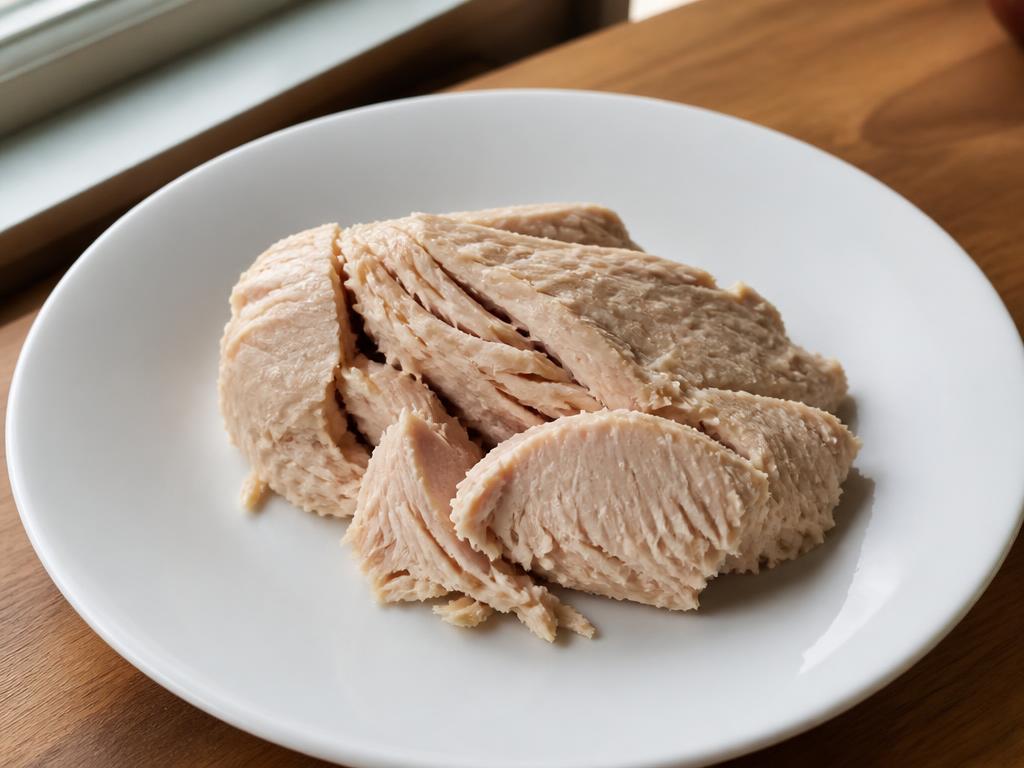
The full answer
Tuna is not a poison for dogs, and a small piece of plain cooked tuna as an occasional treat is not something to worry about. The reason we rate it LIMIT is about frequency rather than a single meal.
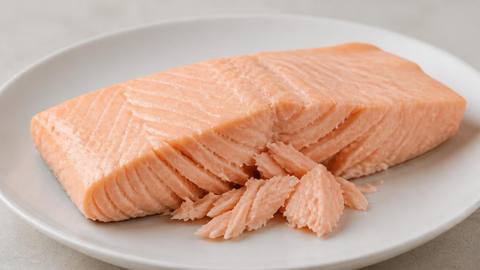
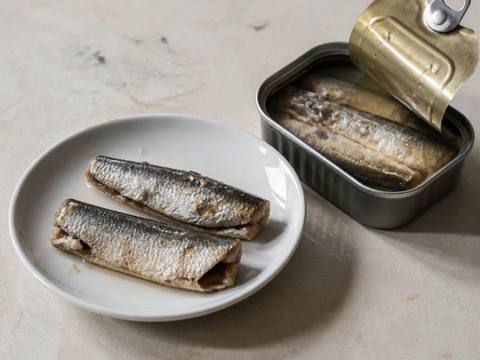
Tuna are large, long-lived predatory fish, and mercury accumulates up the food chain. That is why human dietary guidance singles tuna out among fish, and the same logic applies to a dog eating it regularly. One small portion now and again is a different matter from tuna appearing in the bowl several times a week over years. If you want to give fish more regularly, a smaller fish such as salmon or sardines is the more sensible choice, and worth discussing with your vet.
Canned tuna adds its own issues. Tuna canned in brine or with added salt gives a dog sodium it does not need, and tuna in oil adds fat that can cause an upset stomach. If you do use canned tuna, plain tuna in water with no salt added is the version to choose, and draining it well is sensible. Flavoured pouches — with lemon, chilli, herbs or a dressing — are not suitable.
Seasoning matters more than people expect. Tuna cooked for a family meal often involves oil, salt, soy sauce, onion or garlic. Onion and garlic are Alliums and unsafe for dogs, so a tuna dish is not the same as a piece of plain tuna. Fish bones, where present in a tuna steak or a whole fish, should never be presented as safe: they can lodge in the mouth or throat or injure the gut.
You will see a lot of enthusiasm online about omega-3 fatty acids in fish. Omega-3s are genuinely of interest in veterinary medicine, but that is not a reason to feed tuna specifically, and it does not make tuna necessary for your dog. A complete commercial diet already provides the essential fatty acids a dog needs. If you are interested in omega-3 supplementation for a health reason, ask your vet rather than adding tuna to the routine.
Is Tuna Good for Dogs?
Tuna is a lean, high-protein food and contains B vitamins, selenium and omega-3 fatty acids, so as a treat it is nutritionally respectable. It is not necessary for a dog, though. A complete diet already supplies these nutrients, and tuna brings a mercury consideration that other lean proteins do not. Treat it as a tasty occasional option for a dog who enjoys fish, rather than a health food.
Potential benefits
- Lean, high in protein and low in carbohydrate
- Contains B vitamins, selenium and omega-3 fatty acids
- Strong smell and flavour, which can tempt a fussy or convalescing dog when a vet has approved it
Risks and Things to Know
- Mercury accumulates in large predatory fish, so frequent tuna feeding is not advisable
- Canned tuna in brine is high in sodium, and tuna in oil adds unnecessary fat
- Tuna cooked for people often contains oil, salt, soy sauce, onion or garlic, which are unsuitable
- Fish bones can lodge in the mouth or throat or injure the digestive tract
- Raw tuna carries the usual raw-fish concerns around bacteria and parasites
- Fish is a possible allergen for a small number of dogs
- An all-fish or fish-heavy homemade diet can be nutritionally unbalanced without veterinary guidance
How Much Can Dogs Eat?
Keep tuna to a small, occasional treat. A spoonful of plain flaked tuna for a larger dog, and correspondingly less for a small one, is the right kind of scale.
We do not publish a universal frequency or serving weight, because it depends on your dog's size, diet and health, and because the mercury concern is about long-term accumulation rather than a single meal. If tuna is becoming a habit, that is the signal to cut back.
Speak to your vet before feeding tuna to a dog on a low-sodium, low-fat or prescription diet, and before using fish regularly in a homemade diet.
How Should I Prepare It?
- Cook fresh tuna fully and plainly — steamed, baked or poached with nothing added
- Check carefully for bones and remove any you find
- If using canned tuna, choose tuna in water with no salt added and drain it well
- Serve plain and cooled, in small flaked pieces
- Add nothing: no oil, butter, salt, soy sauce, lemon, herbs, onion or garlic
- Do not feed raw tuna, tuna in brine, flavoured tuna pouches or tuna from a seasoned dish