The full answer
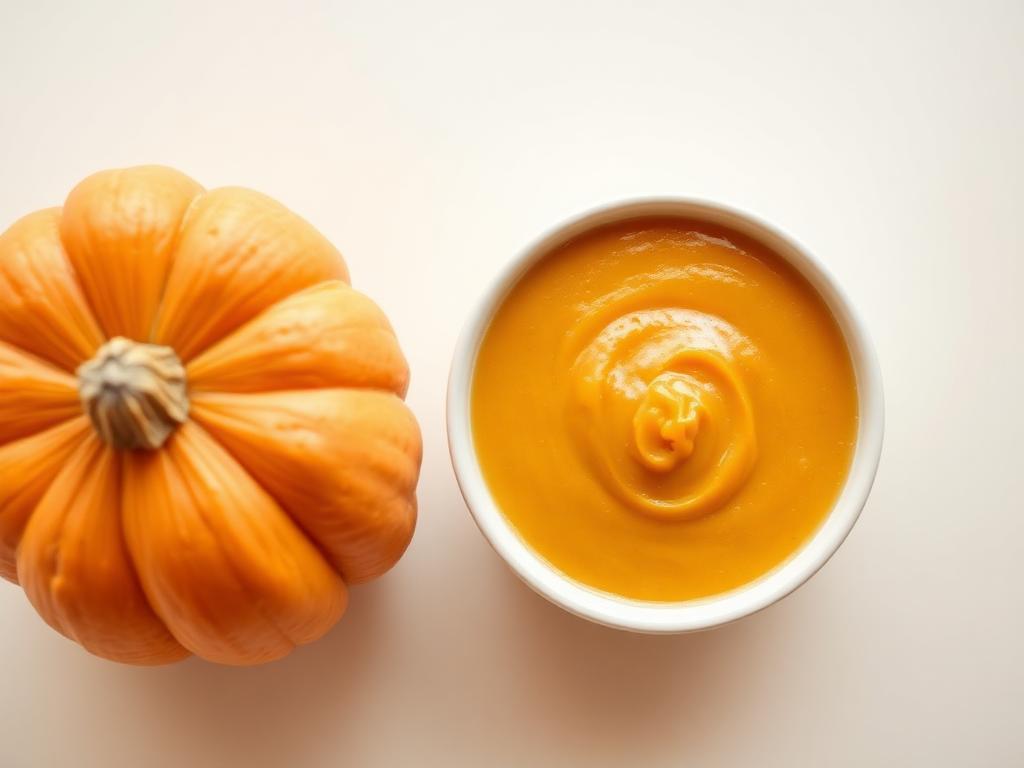
Plain pumpkin flesh is widely used in homemade dog treats and is often suggested by vets as a fibre source. It contains nothing known to be toxic to dogs.
The important distinction is between plain pumpkin and pumpkin pie filling. Pie filling contains sugar and spices such as nutmeg and should not be given to dogs.
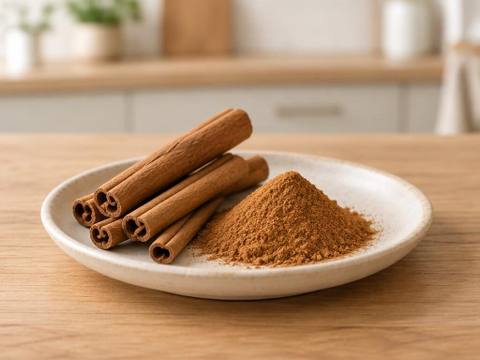
Pumpkin turns up in a kitchen in three quite different forms, and only the first is a treat ingredient. Plain pumpkin is fresh flesh you cook yourself, or a can labelled 100% pumpkin, with nothing added. Canned pumpkin pie filling is already sweetened and spiced. A finished pumpkin pie adds pastry, sugar, dairy or egg custard and a pumpkin-spice blend of cinnamon, ginger, nutmeg, cloves and allspice. Small amounts of those spices used as flavouring are not usually toxic, but larger amounts can make a dog unwell, and nutmeg contains myristicin, which at larger doses causes signs such as vomiting, agitation, a fast heart rate and disorientation. A lick of pie is more likely to cause stomach upset than poisoning — but pie and other pumpkin-spice baked goods can also contain raisins, chocolate or xylitol, so check what went into the recipe and call your vet if any of those were in it.
Is Pumpkin Good for Dogs?
Pumpkin is high in soluble fibre, low in calories and contains vitamin A and potassium.
It is frequently recommended by vets in specific digestive situations, but using it to manage diarrhoea or constipation at home is not a substitute for a diagnosis — persistent digestive problems need a vet.
Potential benefits
- Good source of soluble fibre
- Low calorie and low fat
- Blends easily into treat recipes and food toys
- Freezes well in portioned cubes
Risks and Things to Know
- Pumpkin pie filling contains sugar and spices that are not suitable for dogs
- Too much fibre at once can cause loose stools or gas
- High vitamin A intake over time is a concern with large ongoing amounts — follow your vet's guidance
- Raw stem, skin and stringy pulp are tough to digest
- Finished pumpkin pie and pumpkin-spice baked goods are not plain pumpkin — they add pastry, sugar, dairy and a spice blend containing nutmeg, and may also contain raisins, chocolate or xylitol
How Much Can Dogs Eat?
A teaspoon for a small dog to a tablespoon or so for a large dog is a commonly used starting range for plain pumpkin.
Amounts should be tailored to your dog's size, diet and reason for feeding it. Ask your vet before using pumpkin regularly, especially for digestive issues.
How Should I Prepare It?
- Use 100% plain pumpkin puree, or cook fresh pumpkin flesh and mash it with nothing added.
- Remove skin, stem and seeds when preparing fresh pumpkin.
- Freeze in an ice cube tray for easy portions.
- Check canned labels carefully — no sugar, salt, xylitol or spice blends.