The full answer
Sweet potato is a staple of many commercial dog foods and treats, and plain home-cooked sweet potato is generally well tolerated. It provides fibre, beta-carotene and a soft texture that most dogs like, which makes it useful as a food topper or as the base for homemade treats.
It must be cooked. Raw sweet potato is tough, difficult to digest and a real choking hazard, and the skin adds bulk that some dogs struggle with. Boiling, steaming or baking without any fat, salt, sugar or spice is the way to prepare it. Marshmallow-topped or butter-and-cinnamon holiday versions are not appropriate for dogs, and nutmeg in particular should be avoided.
Because it is starchy, sweet potato carries more calories than a vegetable like green beans or celery. A spoonful mixed into a meal is a sensible scale for most dogs, and dogs with diabetes should only have it with veterinary input.
Is Sweet Potato Good for Dogs?
Plain boiled, steamed or baked sweet potato, peeled
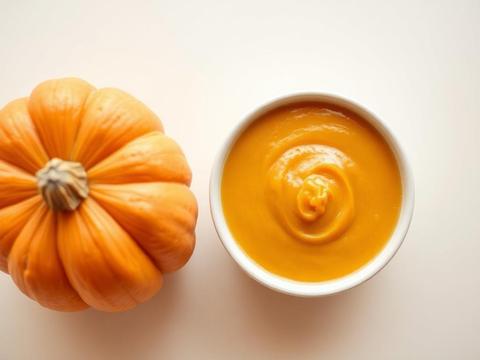
A spoonful of plain mashed sweet potato as a food topper
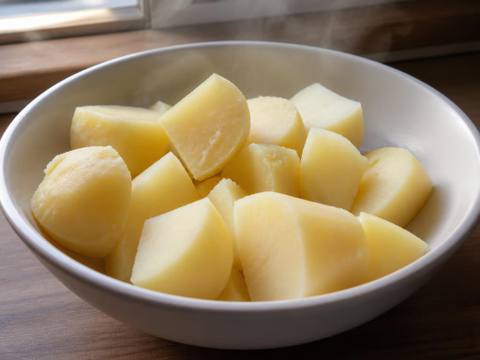
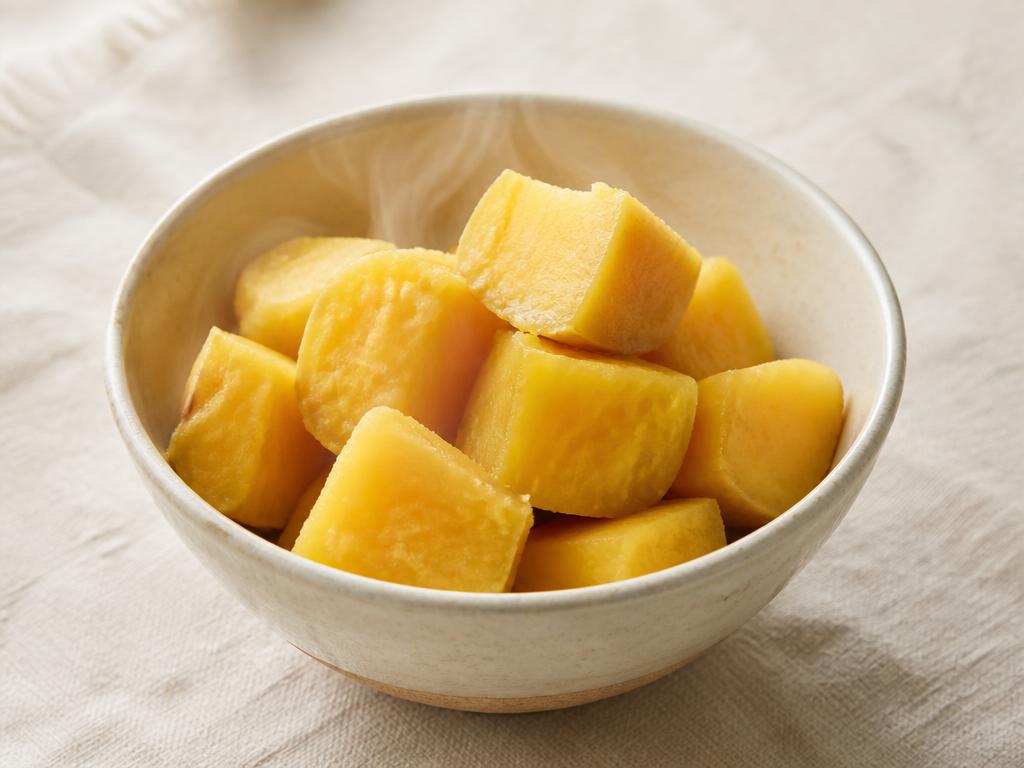
Small plain cubes as a soft treat
Dehydrated plain sweet potato slices as a chew, in moderation
Potential benefits
- Good source of dietary fibre
- Contains beta-carotene and other nutrients
- Soft, palatable texture that suits fussy or older dogs
- Useful base ingredient for homemade dog treats
Risks and Things to Know
- Raw sweet potato is hard to digest and a choking hazard
- Starchy and relatively high in calories — easy to overfeed
- Butter, salt, sugar, marshmallow and spices such as nutmeg are not suitable
- Not ideal for diabetic dogs without veterinary guidance
- Large portions can cause digestive upset
How Much Can Dogs Eat?
There is no single correct amount of sweet potato for every dog. The right portion depends on your dog's size, calorie needs, health and the rest of their diet. A widely used general principle is that treats — including fruit and vegetables — should stay a small share of daily calories, with the bulk coming from a complete, balanced dog food.
Start with a very small amount the first time and watch how your dog reacts over the following day before offering more. If your dog has a health condition, is overweight, or is on a prescribed diet, check with your vet before adding anything new.
How Should I Prepare It?
- Peel the sweet potato and cut it into even pieces.
- Boil, steam or bake until soft — never serve it raw.
- Let it cool completely before serving.
- Mash it or cut it into bite-sized cubes.
- Serve plain, with no butter, oil, salt, sugar or spices.