Can Dogs Eat Carrots?

SAFE

YES — Carrots are generally safe for dogs.

Plain raw or cooked carrots are a common low-calorie dog treat. Cut them to a size your dog can chew safely.

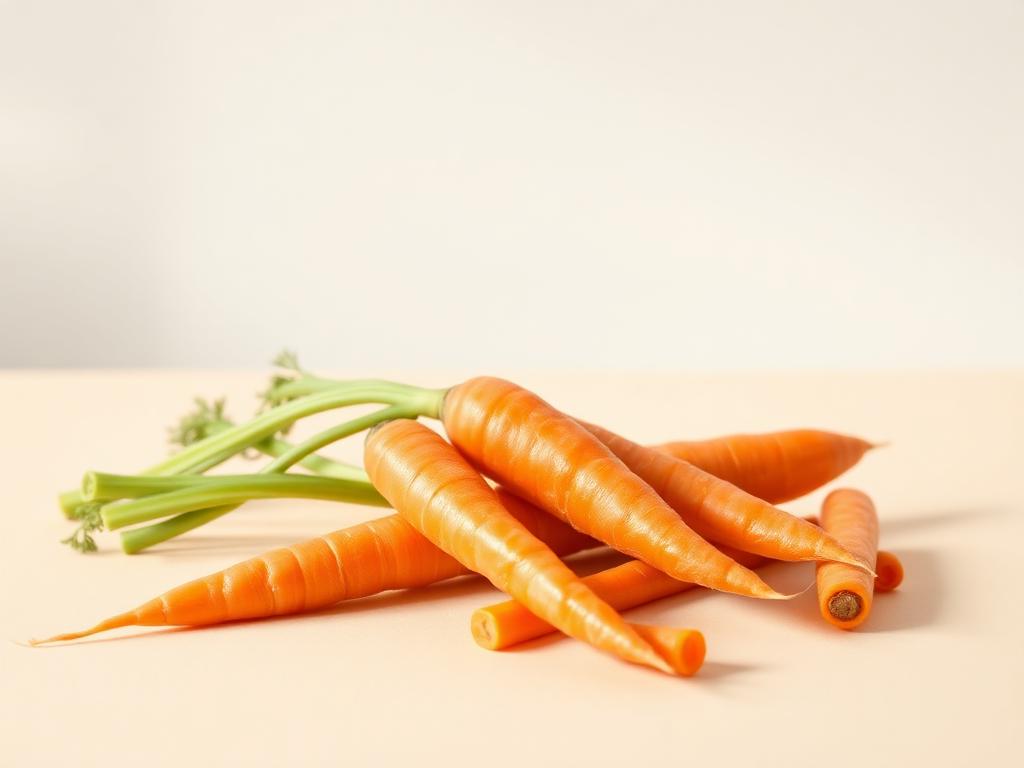
Fresh whole carrots and carrot sticks

Quick answer

Category
Vegetables
Recommended preparation
Washed, cut into appropriate sizes, raw or plain cooked
Main concern
Choking risk if pieces are too large or too hard
Suitable as everyday food
Treat or diet addition — ask your vet

The full answer

Carrots are one of the most frequently recommended vegetable treats for dogs. They are low in calories, crunchy and contain nothing known to be toxic to dogs.

The main practical consideration is size: whole carrots and thick chunks can be a choking hazard, especially for dogs that swallow food quickly.

Is Carrots Good for Dogs?

Carrots are low in calories and provide fibre plus beta-carotene, which dogs convert to vitamin A.

Some owners use carrot sticks as a crunchy chew alternative, but chewing a carrot is not a replacement for dental care recommended by your vet.

Potential benefits

  • Very low in calories — useful for dogs on a weight plan
  • Crunchy texture many dogs enjoy
  • Inexpensive and easy to prepare
  • Works raw, steamed or frozen

Risks and Things to Know

  • Whole or thick chunks can cause choking, particularly in small dogs
  • Hard raw carrot can be tough for dogs with dental problems
  • Large amounts of fibre may cause gas or loose stools
  • Carrot cake, glazed carrots or seasoned cooked carrots are not appropriate

How Much Can Dogs Eat?

A few small pieces or one or two sticks suits most dogs as a snack.

The right amount depends on your dog's size and diet; if you are using carrots as part of a weight plan, ask your vet how much to substitute.

How Should I Prepare It?

  • Wash and peel if you prefer, then cut into rounds or sticks sized for your dog.
  • Steam or boil plain for softer pieces — no butter, salt or seasoning.
  • Frozen carrot sticks can soothe teething puppies, but supervise chewing.
Can Puppies Eat Carrots?

Chilled carrot pieces are often suggested for teething puppies, but always supervise and choose a size your puppy cannot swallow whole.

Softer, steamed pieces are easier for very young puppies.

What If My Dog Ate Too Much?

Eating a lot of carrot usually causes gas or soft stools rather than a serious problem.

If a large piece was swallowed whole and your dog is gagging, retching, drooling or struggling to breathe, treat it as an emergency and contact a vet immediately.

Frequently Asked Questions

How this guide was written

Last updated 15 August 2026. We write from widely published, mainstream pet-health sources and avoid presenting feeding amounts as veterinary prescriptions.

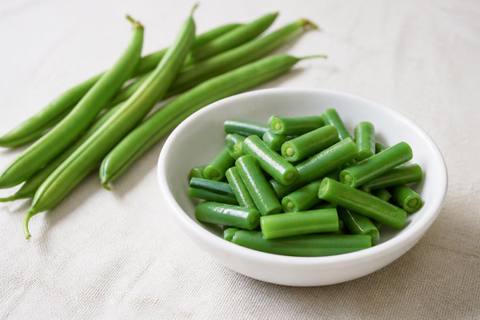
Fresh green beans and a bowl of plainly cooked green bean piecesSAFE

Vegetables

Green Beans

Green beans are widely recommended as a low-calorie, filling treat for dogs, including as part of vet-guided weight management. The key is that they are plain: no salt, butter, garlic or onion, and canned varieties should be avoided unless they are salt-free.

Read the full guide
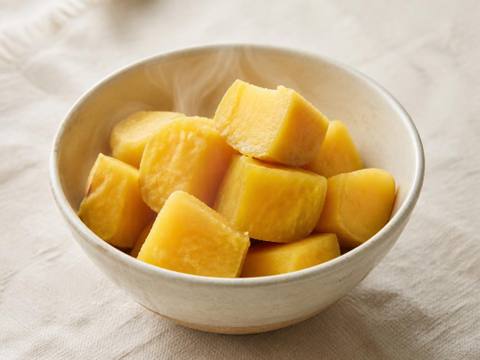
A bowl of soft, plainly cooked sweet potato cubes with no butter, salt or seasoningSAFE

Vegetables

Sweet Potato

Cooked, plain sweet potato is a dog-friendly vegetable that provides fibre and beta-carotene. It should always be cooked and peeled — raw sweet potato is hard to digest and a choking risk — and portions kept modest, since it is starchy and higher in calories than most vegetables.

Read the full guide
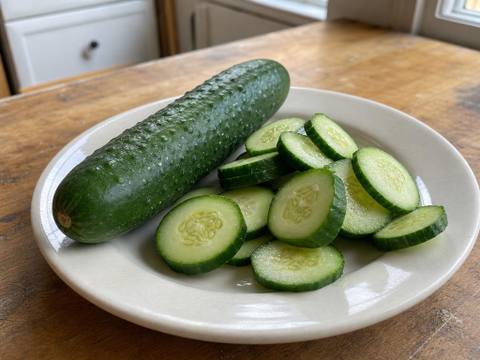
A whole fresh cucumber and unevenly cut cucumber slices on a cream ceramic plateSAFE

Vegetables

Cucumber

Plain cucumber is a high-water, relatively low-calorie vegetable that most dogs can eat in moderation. The main practical points are cutting it small enough to chew safely and keeping it plain — pickles are not the same thing.

Read the full guide
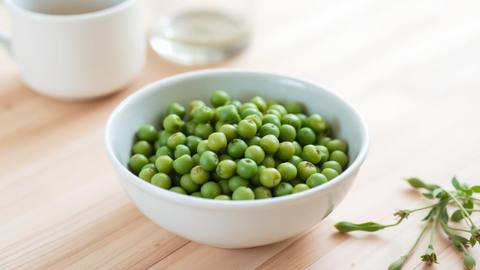
A white bowl of plain cooked green garden peas on a pale wooden tableSAFE

Vegetables

Peas

Green, snap and snow peas are all fine for dogs when served plain. They are low in calories and provide fibre. The things to watch are tinned peas with added salt, pods for small dogs, and portion size.

Read the full guide
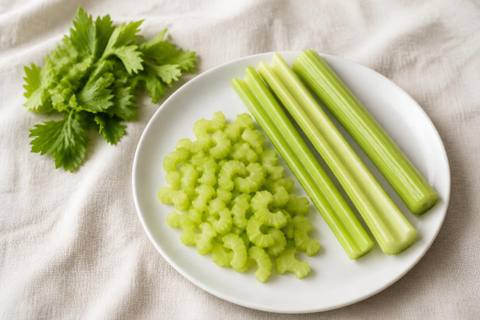
Fresh celery stalks with chopped celery pieces on a white plateSAFE

Vegetables

Celery

Celery is a low-calorie, high-water vegetable that suits dogs on a diet and makes a satisfying crunchy treat. The main practical issue is texture: the stringy fibres and long stalks should be chopped into short pieces before serving.

Read the full guide
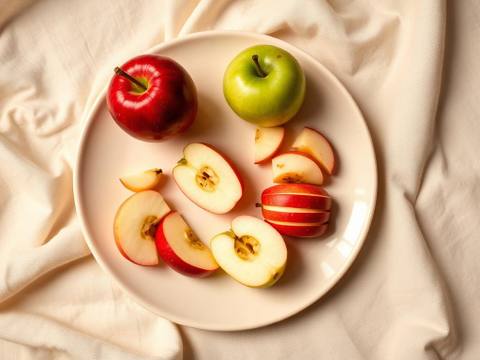
Red and green apples with the flesh cut into small bite-sized pieces, seeds and core removedSAFE

Fruit

Apples

Apples can be an occasional treat for many dogs when served plain and properly prepared. They contain fiber and several nutrients, but they also contain natural sugar and should not replace a complete and balanced diet. Wash the apple, remove the stem, seeds and core, and cut the flesh into appropriately sized pieces before serving.

Read the full guide
Browse every food in our A–Z guide