Storage
- Keep them in an airtight container in the fridge and use within 3 days; that follows general guidance for cooked leftovers, not testing of this recipe. Refrigerate within 2 hours of cooking, or within 1 hour if the room is above 32 °C (90 °F), and split a warm batch into shallow containers so it chills quickly.
- Freeze what you will not use in that time at −18 °C (0 °F) or below. General freezer guidance for cooked meat leftovers is 2 to 6 months for quality, and we keep to the short end of it. Thaw in the fridge, never on the counter.
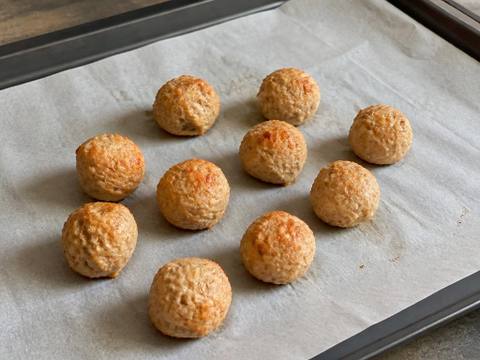
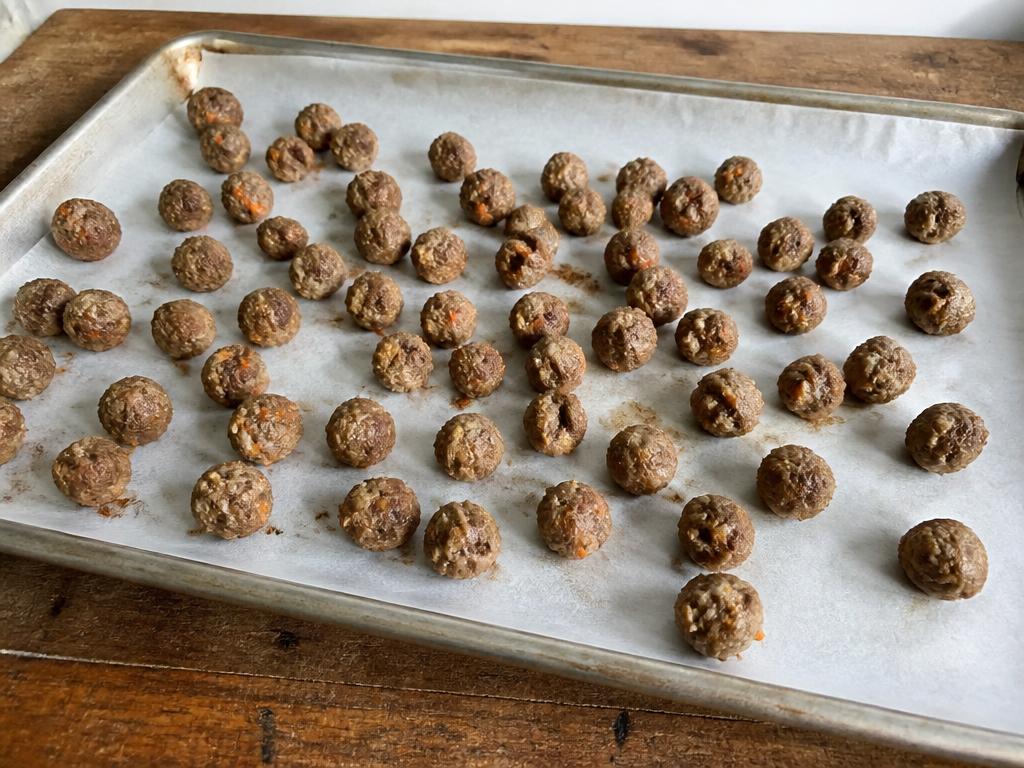
- Freeze on a tray until firm, then transfer to a sealed bag.
- Harmful bacteria can be present without any change in smell or appearance, so time and temperature decide, not how a treat looks. Discard anything left in a warm room too long, or kept past these limits — chilling or freezing does not make mishandled food safe.
Sources: Cold food storage chart (FoodSafety.gov) · Food safety basics (USDA FSIS)
Serving considerations
- These meatballs are an occasional treat, not a meal and not a complete and balanced diet.
- Portions depend on your dog's size, health and normal diet — keep treats to a small share of daily intake.
- Use plain beef only: no onion, garlic, salt, seasoning, gravy or processed meat such as sausage or burgers.
- Rich, fatty meat can upset some dogs, so drain the fat well and start with a small amount.