The full answer
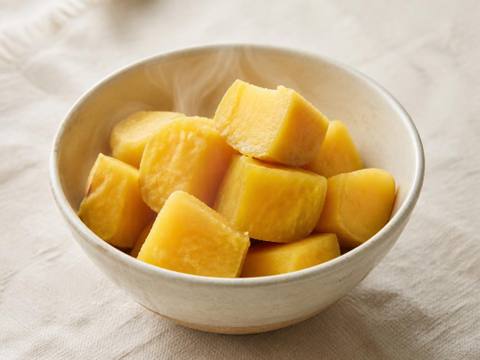
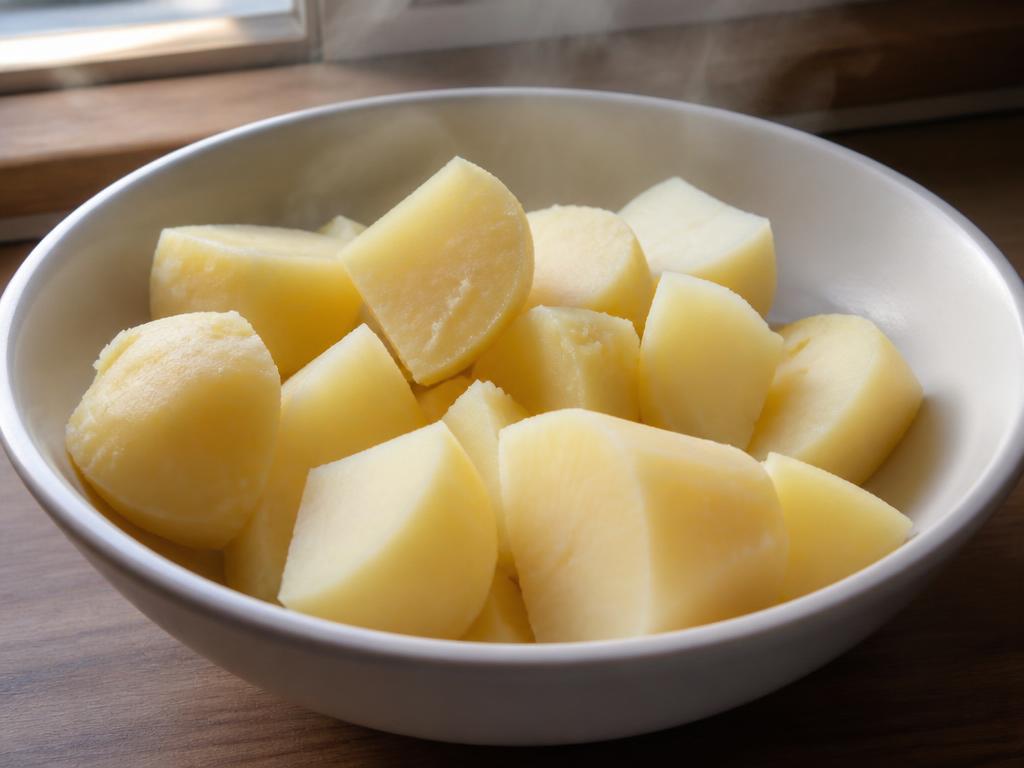
Potatoes need to be split into two separate answers, because a plain boiled potato and a green, sprouting one are not the same thing. Plain, fully cooked potato flesh is not a poison. It is a starchy carbohydrate that most dogs digest without difficulty, and a small amount mixed into a meal is unlikely to cause any harm. That is why we rate potatoes LIMIT rather than AVOID.
The toxicity concern belongs to raw, green and sprouted potatoes. Potatoes are members of the nightshade family and contain glycoalkaloids, chiefly solanine and chaconine. These are concentrated in the green parts, the sprouts, the eyes and the skin of a potato that has been exposed to light. Cooking reduces but does not reliably eliminate them, which is why the standard advice is to cut away green areas and sprouts for people too. In dogs, significant glycoalkaloid ingestion is associated with vomiting, diarrhoea, lethargy and, in more serious cases, neurological signs. Any green or sprouting potato should be kept away from dogs and thrown out rather than cooked.
Raw potato sits in between. It has not been made more digestible by cooking, it is harder on the stomach, and it may carry more glycoalkaloid than a properly stored, cooked potato. We would not intentionally feed it. A dog who steals one raw potato from a bag is not usually an emergency, but it is worth a call to your vet if the potato was green or sprouting, or if your dog eats several.
Finally, most potato in a house is not plain potato. Chips, roast potatoes, crisps, mash with butter and milk, potato salad with onion — these are the versions dogs are most likely to get hold of, and each adds fat, salt or unsafe ingredients. A high-fat, heavily salted potato dish is a more likely cause of a sick dog than the potato itself. If you want to give your dog potato, cook it plainly and add nothing.
You may see potatoes discussed in the context of diet-associated dilated cardiomyopathy. That conversation is about the overall formulation of some commercial diets and remains under investigation; it is not evidence that an occasional spoonful of plain potato harms a dog's heart. If you have questions about your dog's main diet, that is a conversation to have with your vet rather than a reason to worry about a piece of boiled potato.
Are Potatoes Good for Dogs?
Not especially. Potato is mostly starch, with some potassium, vitamin C and fibre. It is a source of energy rather than something that fills a nutritional gap, and dogs on a complete diet already have their carbohydrate needs covered. Plain cooked potato can be useful in a bland meal your vet has suggested, or as a small filler for a dog who likes it, but there is no health reason to add it and it is easy to overdo the calories.
Potential benefits
- A digestible source of energy when fully cooked and plain
- Provides potassium, some vitamin C and fibre
- Sometimes used in plain, vet-advised bland meals for dogs recovering from an upset stomach
Risks and Things to Know
- Green skin, sprouts and eyes contain higher concentrations of glycoalkaloids such as solanine, which can cause vomiting, diarrhoea, lethargy and in serious cases neurological signs
- Raw potato is harder to digest and should not be intentionally fed
- Fries, crisps and roast potatoes are high in fat and salt and are not equivalent to plain potato
- Mashed potato usually contains butter, milk, salt and sometimes onion or garlic
- Starch adds calories quickly and can contribute to weight gain
- Potatoes may be unsuitable for diabetic dogs and dogs on certain prescription diets without veterinary advice
How Much Can Dogs Eat?
Treat potato as a small extra rather than a component of the diet. A spoonful of plain cooked potato mixed into a meal suits most dogs, scaled down for a small dog.
We do not give a universal amount, because it depends on your dog's size, weight and diet. If potato is displacing complete food rather than topping it up, the portion is too big.
Speak to your vet before giving potato to a diabetic dog, an overweight dog, or a dog on a prescription diet.
How Should I Prepare It?
- Choose firm potatoes with no green patches and no sprouts, and discard any that are green or sprouting
- Peel them, which removes the part where glycoalkaloids concentrate
- Boil, steam or bake until fully soft — never serve raw
- Serve plain and cooled: no butter, oil, cream, milk, salt, gravy or seasoning
- Mash or cut into pieces so a hot, dense lump is not swallowed whole
- Store potatoes in a cool, dark place so they do not turn green, and keep the bag out of a dog's reach