The full answer
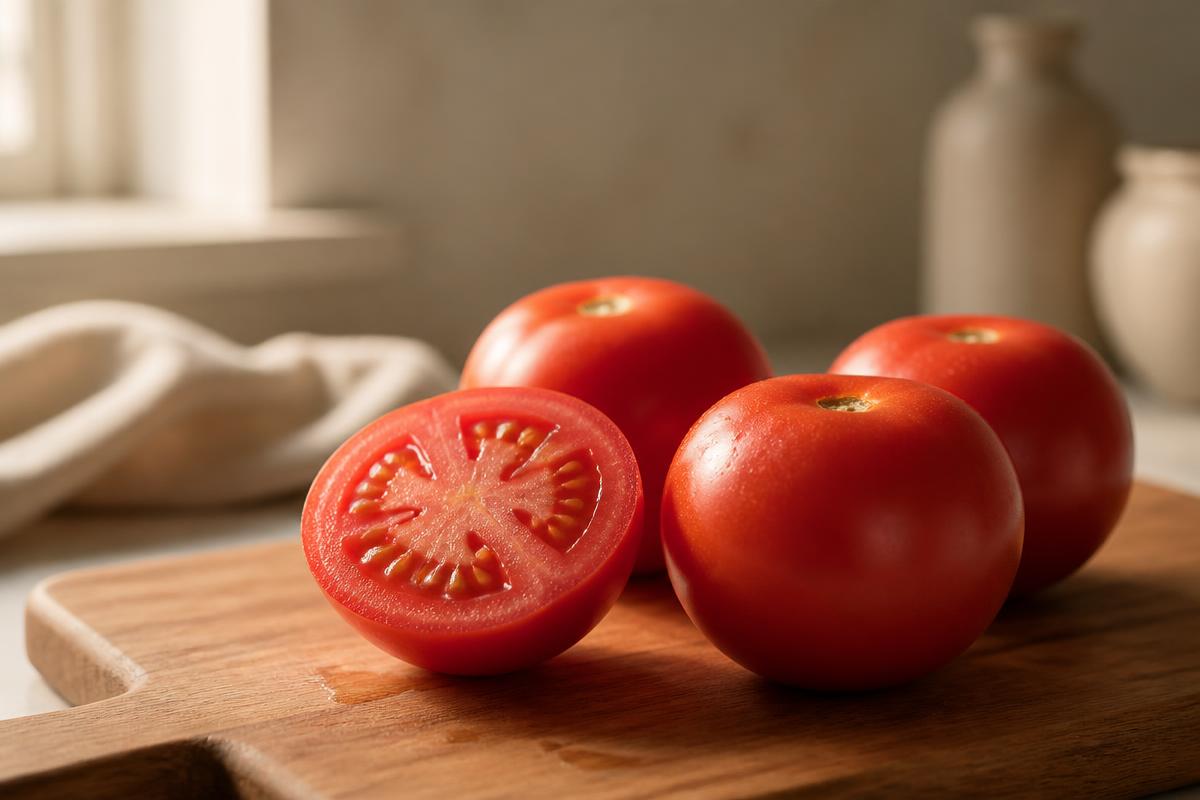
The important distinction with tomatoes is ripeness. Veterinary and kennel-club guidance describes the ripe red fruit as generally safe for dogs in small amounts, while green, unripe tomatoes and the green parts of the plant — leaves, stems and vines — contain tomatine and are the part to keep away from your dog.
That makes tomato plants in the garden the practical risk for many households. A dog who chews vines, leaves or unripe fruit from a plant is getting the tomatine-containing part rather than the ripe flesh, so fence off tomato plants and pick up windfall green fruit. Contact your vet if you think your dog has eaten plant material, and mention roughly how much and which parts.
Cherry tomatoes are simply small tomatoes: ripe ones are fine in the same modest amounts, but whole ones are round and smooth enough to be a choking risk for small dogs, so cut them in half or quarters.
Prepared tomato products are usually the bigger issue. Pasta sauce, passata, ketchup, tomato soup and tinned tomato dishes very often contain onion and garlic, both of which are toxic to dogs, along with salt, sugar and sometimes herbs and chilli. A spoonful of bolognese sauce is an onion-and-garlic exposure rather than a tomato treat, so read the label before sharing anything tomato-based.
Even with ripe fruit, tomatoes are acidic and moderation matters. A large amount can cause digestive upset — gas, loose stools or an uncomfortable stomach — and dogs with sensitive digestion or reflux may do better without them altogether. Keep it to a couple of small pieces and treat them as an occasional snack rather than a routine one.
Are Tomatoes Good for Dogs?
Small pieces of washed, ripe red tomato flesh with the stem removed
Ripe cherry tomatoes cut in half or quarters for smaller dogs
A little chopped ripe tomato mixed into a meal as an occasional change
Potential benefits
- Low in calories and high in water content
- Provides vitamin C, potassium and lycopene as part of a varied diet
- A juicy, low-fat snack option for dogs who like vegetables
Risks and Things to Know
- Green, unripe tomatoes contain tomatine and should not be fed
- Leaves, stems and vines are the parts of the plant to keep away from dogs
- Tomato sauces, ketchup and soups usually contain onion, garlic, salt or sugar
- Whole cherry tomatoes can be a choking hazard for small dogs
- Acidic, so larger amounts may cause digestive upset or reflux
- Tinned and jarred products often add sugar and preservatives
How Much Can Dogs Eat?
There is no single correct amount of tomato for every dog. The right portion depends on your dog's size, calorie needs, health and the rest of their diet. A widely used general principle is that treats — including fruit and vegetables — should stay a small share of daily calories, with the bulk coming from a complete, balanced dog food. For most dogs a couple of small pieces of ripe tomato is plenty. Start small, watch for digestive changes, and ask your vet first if your dog has a sensitive stomach or is on a prescribed diet.
How Should I Prepare It?
- Choose fully ripe red tomatoes — never green or unripe ones.
- Wash the tomato and remove the stem, any leaves and the green top.
- Cut into small pieces, and halve or quarter cherry tomatoes.
- Serve plain — no salt, oil, dressing, sauce or seasoning.
- Offer a small amount and keep tomato plants out of your dog's reach.