The full answer
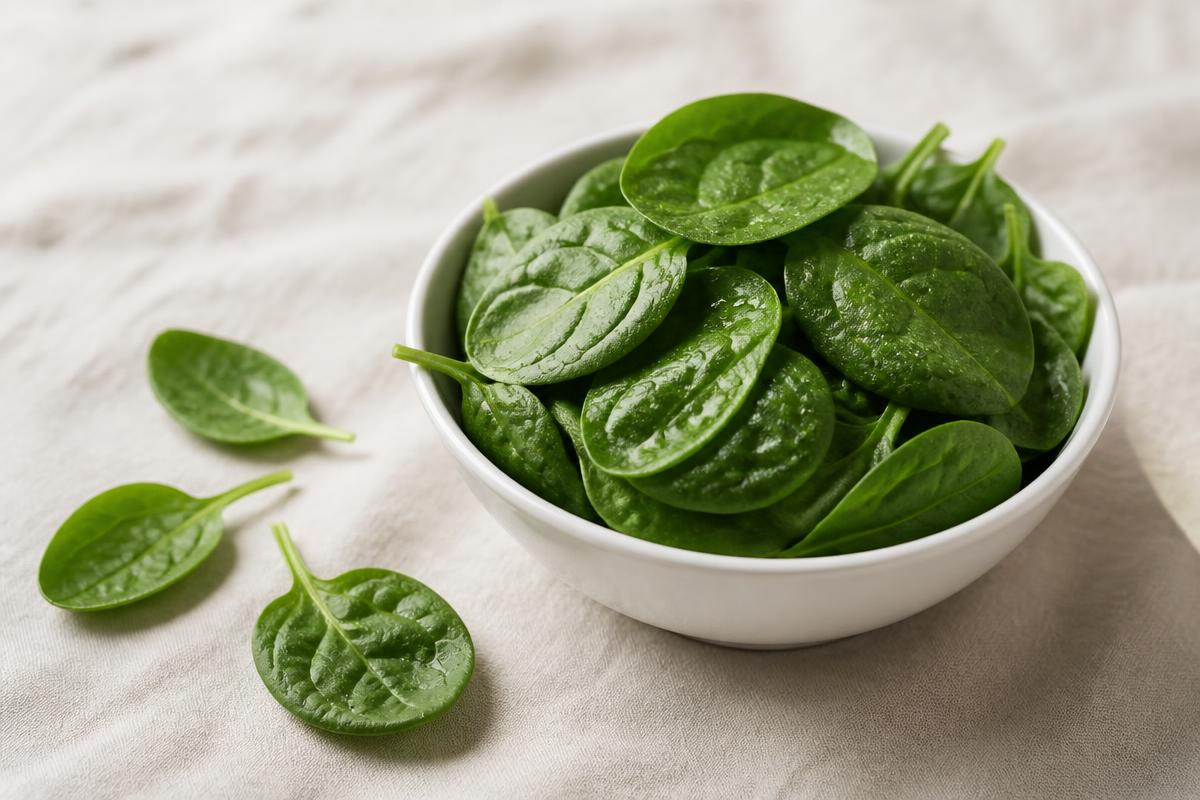
Spinach is nutrient-dense and often assumed to be a healthy addition to a dog's bowl. It does contain iron, fibre and vitamins, but dogs on a complete, balanced food are not short of those nutrients, so the benefit of adding spinach is limited.
The reason for the cautious rating is oxalic acid. Spinach is one of the highest-oxalate vegetables, and oxalates bind calcium and can contribute to the formation of certain urinary stones. In a healthy dog eating a small amount occasionally, this is unlikely to be a problem. In dogs with kidney disease or a history of calcium oxalate stones, spinach is best avoided entirely unless a vet says otherwise.
Preparation matters for a practical reason too: whole leaves are difficult for dogs to chew and can come back up largely intact. Chopping finely and steaming lightly makes the leaves easier to handle. Spinach cooked with garlic, onion, butter, cream or salt is not suitable — creamed spinach in particular should be kept away from dogs.
Is Spinach Good for Dogs?
A small amount of plain spinach, washed, finely chopped and lightly steamed
A pinch of chopped spinach mixed into a meal as an occasional addition
Potential benefits
- Provides fibre, vitamins and minerals in small amounts
- Very low in calories
- Easy to chop finely into an existing meal
Risks and Things to Know
- High in oxalates, which can contribute to calcium oxalate urinary stones
- Not suitable for dogs with kidney disease or a stone history without veterinary advice
- Whole leaves are hard for dogs to chew and digest
- Creamed spinach and spinach cooked with garlic or onion are unsafe
- Large amounts can cause digestive upset
How Much Can Dogs Eat?
Spinach is an occasional extra rather than a portioned treat. A small pinch of finely chopped, plainly cooked spinach mixed into a meal is the right scale for most dogs, and less for small breeds.
If your dog has kidney disease, bladder stones or is on a prescription urinary diet, do not add spinach without talking to your vet first.
How Should I Prepare It?
- Wash the leaves thoroughly under running water.
- Chop them finely so they are easy to swallow and digest.
- Steam or blanch lightly with no salt, oil, butter, garlic or onion.
- Let it cool and mix a small amount into your dog's regular food.