The full answer
Zucchini — courgette in the UK — is a mild, watery vegetable that most dogs tolerate well. It is very low in calories, which makes it a useful treat for dogs that need to watch their weight, and it can be served raw for crunch or lightly cooked for dogs that prefer softer food.
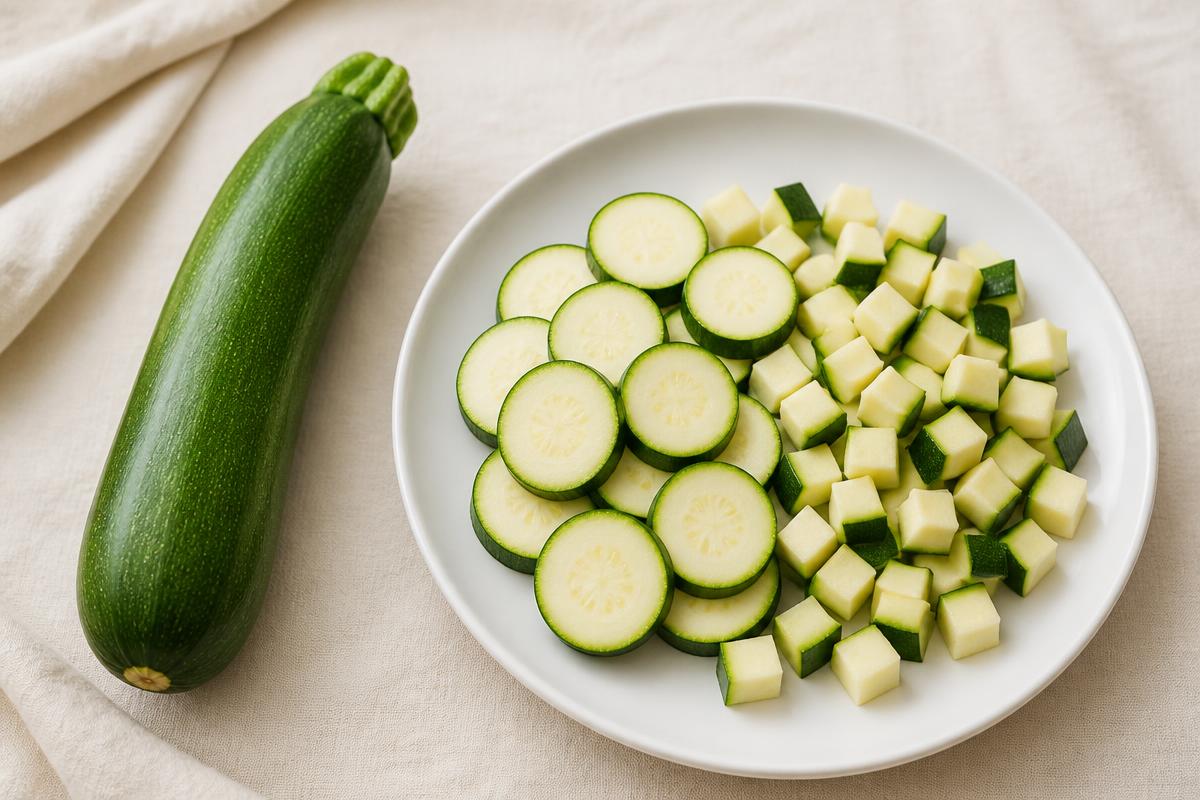
There is very little to remove. The skin and the small soft seeds of a normal zucchini are fine, so washing and cutting is usually all that is needed. Cut pieces to a size your dog can chew comfortably; large chunks are the main choking risk with any firm vegetable.
Two caveats. First, preparation: zucchini fried in oil, roasted with garlic and onion, or served in a seasoned bake is not suitable for dogs. Second, bitterness — home-grown squash occasionally develops a very bitter taste from naturally occurring cucurbitacins, and unusually bitter zucchini should be discarded rather than fed to your dog.
Is Zucchini Good for Dogs?
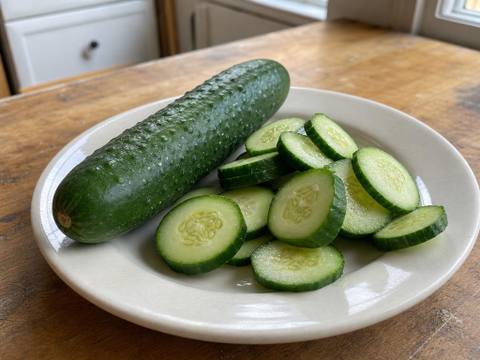
Fresh raw zucchini, washed and cut into small pieces
Plainly steamed or boiled zucchini with nothing added
Grated raw zucchini mixed into a meal as a low-calorie bulker
Potential benefits
- Very low in calories and high in water
- Provides fibre without much sugar
- Suits raw or cooked serving, so it fits most dogs' preferences
- Easy to cut into training-sized pieces
Risks and Things to Know
- Large chunks can be a choking risk, especially for small dogs
- Oil, salt, garlic and onion in cooked dishes are unsuitable or harmful
- Unusually bitter home-grown zucchini should not be fed
- Large amounts of any raw vegetable can cause gas or loose stools
How Much Can Dogs Eat?
There is no single correct amount of zucchini for every dog. The right portion depends on your dog's size, calorie needs, health and the rest of their diet. A widely used general principle is that treats — including fruit and vegetables — should stay a small share of daily calories, with the bulk coming from a complete, balanced dog food.
Start with a very small amount the first time and watch how your dog reacts over the following day before offering more. If your dog has a health condition, is overweight, or is on a prescribed diet, check with your vet before adding anything new.
How Should I Prepare It?
- Wash the zucchini thoroughly.
- Trim the ends and cut it into small pieces, rounds or cubes suited to your dog.
- Serve raw, or steam or boil plainly with no oil, salt or seasoning.
- Taste-check home-grown zucchini and discard anything unusually bitter.
- Grate it into a meal if your dog is not keen on vegetable chunks.