The full answer
Corn kernels and corn cobs are two completely different questions, and mixing them up is the main reason owners get caught out.
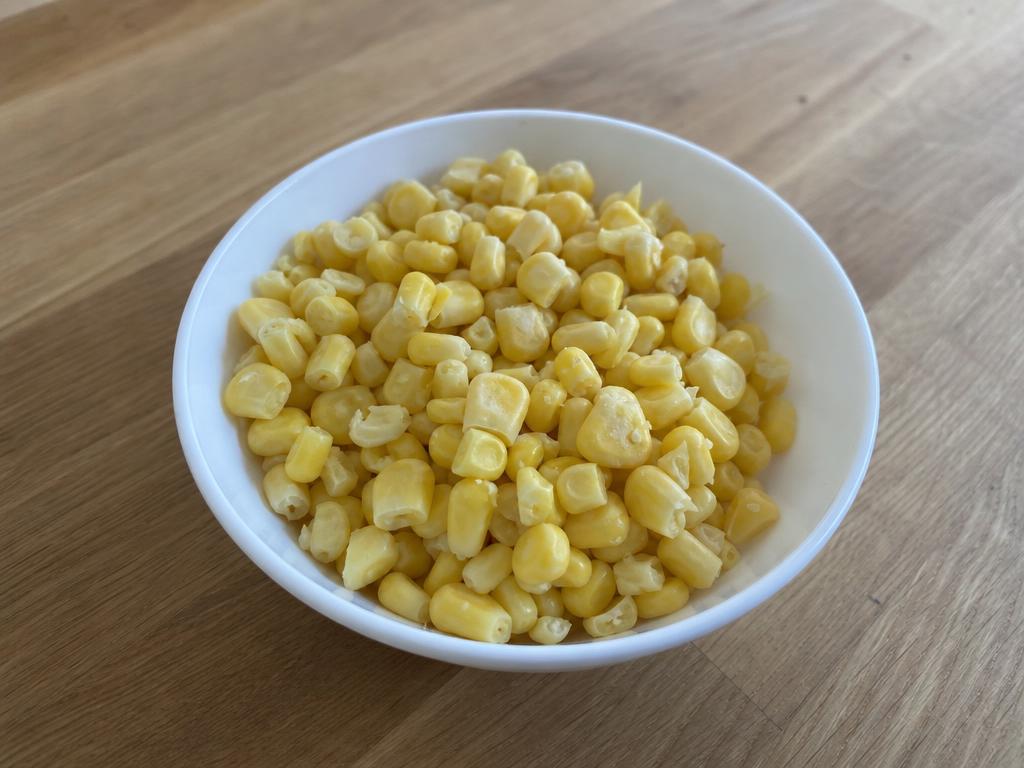
Plain cooked kernels are not toxic. Corn is a common ingredient in commercial dog food, where it is processed for digestibility, and a spoonful of plain sweetcorn on top of dinner is not a problem for most dogs. It is not a nutritional priority either, which is why we call it LIMIT rather than SAFE.
The cob is the hazard. It is dense, fibrous and does not break down in the digestive tract. A swallowed cob or a chunk of one is a well-recognised cause of intestinal obstruction in dogs, and that is a surgical emergency rather than something to watch at home. Large dogs are perfectly capable of swallowing a whole cob, and small dogs can be blocked by a short piece.
This matters most at barbecues, picnics and in the days after them, when cobs end up in bins, on plates and in gardens. A bin bag with cobs in it is worth putting somewhere a dog cannot reach.
The way corn is served changes things too. Buttered, salted or creamed corn adds fat, sodium and dairy that most dogs do not need, and tinned corn can be salty unless you choose a no-added-salt version and rinse it.
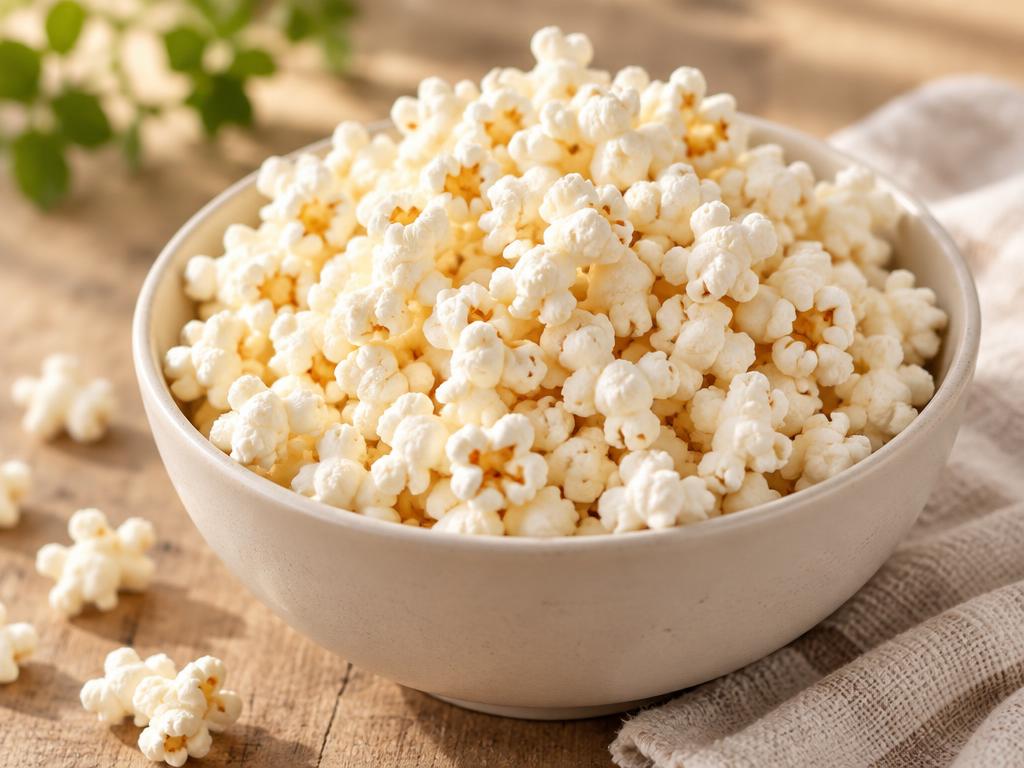
Popcorn is a related but separate topic: plain air-popped popcorn is a different food from a spoonful of kernels, and unpopped hulls, butter and salt come with their own issues. We will give it a proper page of its own.
Is Corn Good for Dogs?
Corn kernels provide carbohydrate and some fibre, and they are digestible for most dogs when cooked plainly.
There is nothing in corn that a dog needs from a side dish, so its value is mostly as a small, palatable, low-fat addition to a meal.
Dogs with grain sensitivities or those on a vet-directed elimination diet should skip it unless your vet has said otherwise.
Potential benefits
- Provides carbohydrate, some fibre and a little protein when served plain.
- Low in fat compared with most human table foods, so a spoonful adds little to the day's calories.
- Palatable and easy to mix into a normal meal as a small topper.
Risks and Things to Know
- Corn cobs are a serious obstruction hazard. Swallowed cobs frequently require surgical removal.
- Butter, oil, salt and creamed sauces add fat and sodium that can upset a dog.
- Tinned corn is often packed with added salt.
- Large amounts of kernels can cause wind or loose stools.
- Whole kernels may pass through undigested, which is untidy but not usually a problem.
- Corn is a possible allergen for a small number of dogs, though food allergies in dogs are more often linked to proteins.
How Much Can Dogs Eat?
A tablespoon of plain kernels for a small dog and a couple of tablespoons for a large one is plenty as an occasional topper.
Keep all treats and extras to a small share of daily calories so the main diet stays balanced.
Do not offer corn as a meal or a regular daily side.
There is no safe portion of a corn cob — the whole cob should be treated as off limits.
How Should I Prepare It?
- Cut or scrape the kernels off the cob and serve only the kernels.
- Cook or steam them plain, with no butter, oil, salt, sugar or seasoning.
- If you use tinned corn, choose no-added-salt, drain it and rinse it.
- Frozen corn can be thawed and served plain; do not give it as a frozen chew for a small dog.
- Never hand a dog a cob to gnaw on, and never leave cobs on a plate, in an open bin or in the garden after a barbecue.
- Do not add creamed corn, corn in sauce or corn from a seasoned dish.