The full answer
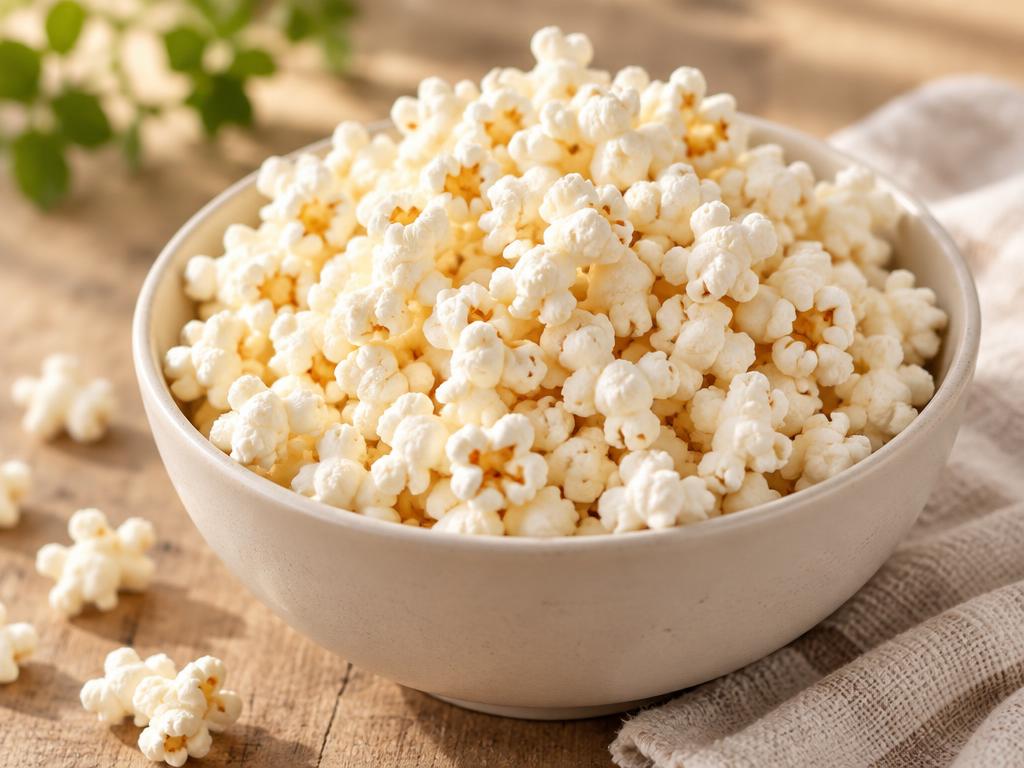
Plain, fully popped, air-popped popcorn with nothing on it is fine as an occasional small treat.
Popcorn as most people eat it — butter, oil, salt, cheese powder, caramel — is not. And the hard unpopped kernels at the bottom of the bowl are the part to keep away from a dog altogether.
Is Popcorn Good for Dogs?
Only share fully popped, air-popped pieces with nothing added, and keep the amount small and occasional. Popcorn is not needed alongside a complete dog food.
Risks and Things to Know
- Whole and half-popped kernels are hard. They wedge between teeth and under gums, and they are a choking risk.
- A dog that has crunched a kernel and is pawing at its mouth, drooling or gagging needs veterinary advice. Choking or difficulty breathing requires immediate emergency veterinary help. Do not probe the mouth of a distressed dog. Persistent mouth pain or a suspected broken tooth also needs a veterinary assessment.
- Butter, oil, salt and the various toppings can cause intestinal upset, and the fat in butter and oil contributes to weight gain. Salt in quantity brings thirst, urination, vomiting and diarrhoea.
- Microwave and cinema popcorn vary by product and serving; check the label or ingredient list for added fat, salt, sugar and flavourings.
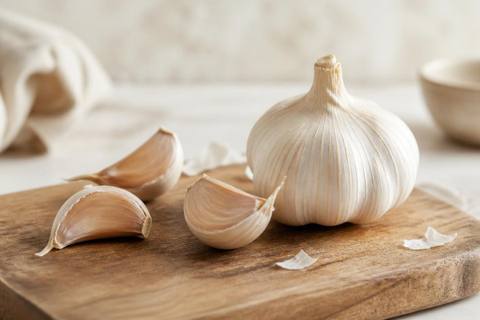
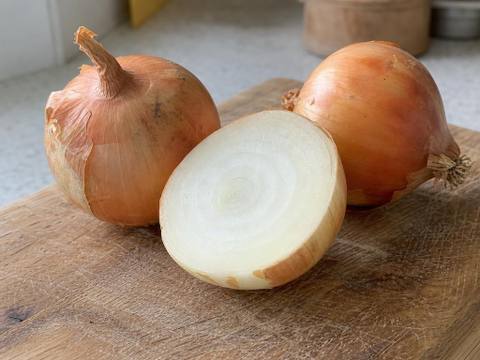
- Anything with cheese, chilli, garlic or onion powder, or a sweetener you cannot identify, should not be shared at all — garlic and onion are toxic to dogs, and some sweet products contain xylitol. An unknown sweetener is not proof of xylitol, but uncertainty after ingestion warrants veterinary advice rather than an assumption that the product is safe.
How Much Can Dogs Eat?
A few plain pieces as an occasional treat. Treats of all kinds should together supply no more than about 10% of a dog's daily calories; that is a ceiling, not a target.
For a small dog that is very little indeed, so count the pieces rather than handing over a bowl.
How Should I Prepare It?
- Air-pop it, add nothing, let it cool, and hand over a few pieces.
- Pick from the popped pieces at the top and tip the kernels at the bottom of the bowl straight into the bin rather than onto the floor where a dog hoovers them up.
- If your own bowl is buttered, pop a small separate plain batch instead of picking the least buttered pieces out.
- Do not share cheese, chilli, garlic or onion flavoured popcorn, caramel or toffee coatings, or anything sweetened with a sweetener you cannot identify.