Can Dogs Eat Cinnamon?

LIMIT

LIMIT — Ordinary culinary cinnamon exposure is different from loose powder, sticks, essential oil or sweet baked goods.

Cinnamon in a food is a different exposure from a spilled jar of powder, inhaled dust, chewed sticks, essential oil or a mixed bakery product. The form and the rest of the ingredients decide the risk.

On this page
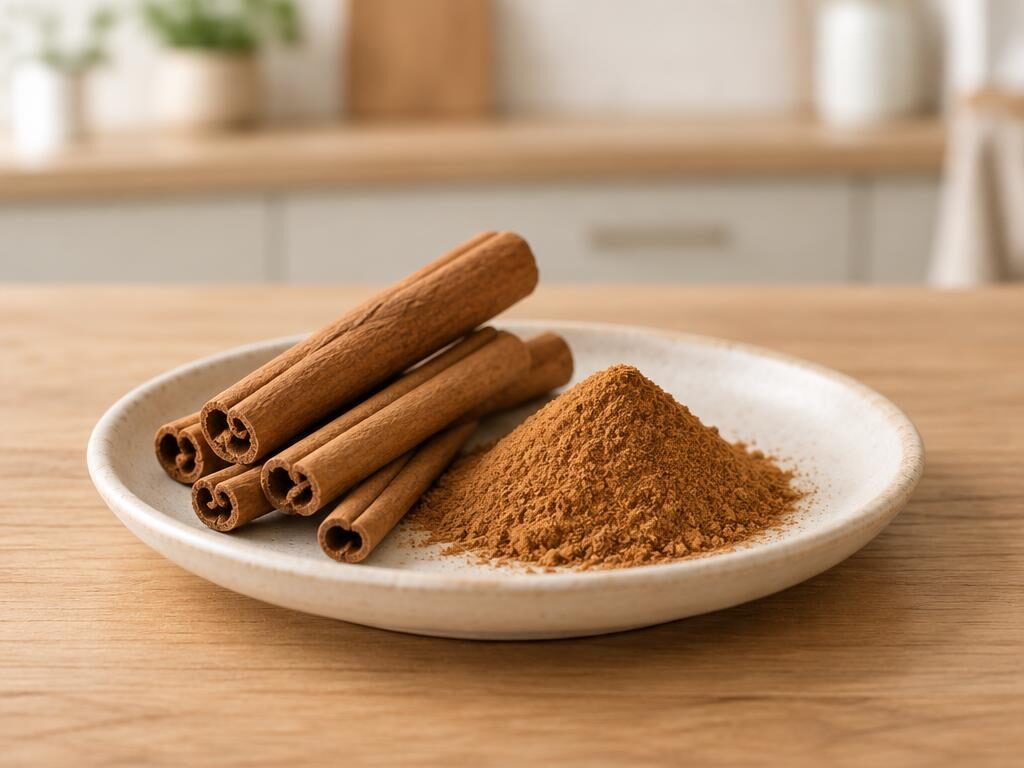
Cinnamon sticks with a little ground cinnamon on a ceramic plate

Quick answer

Category
Herbs
Recommended preparation
Only as a minor ingredient in otherwise suitable food
Main concern
Powder inhalation, oils, sticks and bakery extras
Suitable as everyday food
Not something a dog needs

The full answer

The ASPCA lists cinnamon as non-toxic to dogs, but that does not make every cinnamon exposure harmless. The form and the amount still matter. The Pet Poison Helpline describes cinnamon as an irritant that can affect the mouth, skin and digestive tract, and more serious exposures can cause wider symptoms.

Form matters. Cinnamon already mixed through a suitable food is not the same as loose powder from a spilled jar, powder breathed into the nose or lungs, a chewed cinnamon stick or cinnamon essential oil. Essential oil is concentrated and should be treated as a different, higher-risk product.

Mixed baked goods add another layer. A cinnamon bun or biscuit is usually about sugar, fat and dough, and it may also contain raisins, chocolate, xylitol or spice blends. Gingerbread and pumpkin-spice blends vary by recipe, so check the ingredient list rather than assuming what is in them.

Is Cinnamon Good for Dogs?

Cinnamon is a flavour for people, not something dogs need. Its claimed health benefits have not been established for dogs, so there is no reason to add it as a supplement.

Risks and Things to Know

  • Loose powder can irritate the mouth, skin and digestive tract
  • Inhaled powder can cause coughing, choking or breathing difficulty
  • Significant exposure can be associated with vomiting, diarrhoea, heart-rate changes, low blood sugar and liver problems
  • Cinnamon essential oil is concentrated and can be toxic; it is not the same as ground spice
  • Cinnamon sticks are hard and irritating to chew, and pieces can be swallowed
  • Cinnamon-flavoured human baking brings sugar and fat, and may contain raisins, chocolate or xylitol
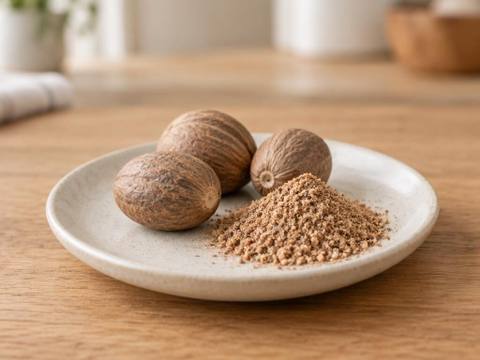
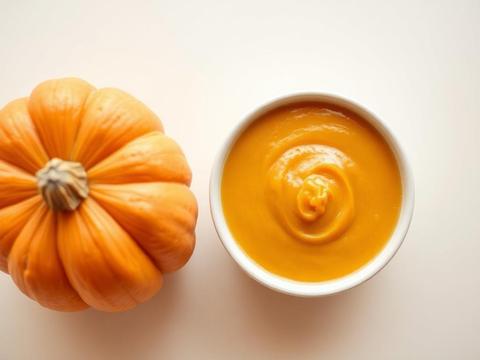
  • Pumpkin-spice and gingerbread blends may contain nutmeg or other spices; formulations vary, so the label matters

How Much Can Dogs Eat?

Do not portion cinnamon out as a supplement. If it appears in a recipe, assess the whole recipe and the total amount your dog could actually eat rather than treating cinnamon as a stand-alone safe dose.

Keep cinnamon powder, sticks, oils, extracts, potpourri and spice blends out of reach.

How Should I Prepare It?

  • Use only ground cinnamon already mixed into an otherwise suitable food; do not offer oil, extract, potpourri, loose powder or sticks.
  • Do not add extra cinnamon to meals or treats for a supposed health benefit.
  • Check human baked goods for raisins, chocolate, xylitol, nutmeg and other ingredients before considering whether the food is shareable at all.
  • Skip cinnamon sugar, sweet cereals, flavoured syrups and icing.
Can Puppies Eat Cinnamon?

There is no reason to add cinnamon to a puppy's food or treats. If a puppy eats loose powder, oil, a stick or a sweet baked product, ask your vet for advice based on the product and amount.

What If My Dog Ate Too Much?

For a potentially significant cinnamon exposure — especially loose powder, inhaled powder, a chewed stick, essential oil, extract or a baked product containing raisins, chocolate, xylitol or nutmeg — contact your vet or an emergency vet promptly and keep the packaging.

For a tiny incidental taste of an otherwise suitable food, watch for mouth irritation, coughing, vomiting or diarrhoea and call your vet if you are unsure or symptoms appear.

This guide is for general educational purposes and isn't a substitute for advice from your veterinarian. If your dog has eaten something potentially toxic or is showing concerning symptoms, contact a veterinarian promptly.

Frequently Asked Questions

There is no single safe-dose figure to use at home. Risk depends on the form, the amount, the dog and whether it was swallowed or inhaled. Loose powder, sticks, oils, extracts and spice blends are not the same as cinnamon already mixed into a suitable food, so contact your vet for any significant exposure.

It is not a good share. A cinnamon roll is usually sugar, fat and dough, and it may contain raisins, chocolate or xylitol in fillings or icing. Check the ingredients, and contact your vet or an emergency vet promptly if any of those higher-risk ingredients may be involved.

No. Treat cinnamon essential oil as a different product from ground spice. It is concentrated, can be toxic at much smaller exposures, and should be kept away from dogs along with diffuser blends and potpourri.

No. Pumpkin-spice blends vary, and some include nutmeg or other spices that change the risk. Check the ingredient list rather than assuming the blend is just cinnamon.

How this guide was written

Last updated 18 September 2026. We write from widely published, mainstream pet-health sources and avoid presenting feeding amounts as veterinary prescriptions.

Browse every food in our A–Z guide