The full answer
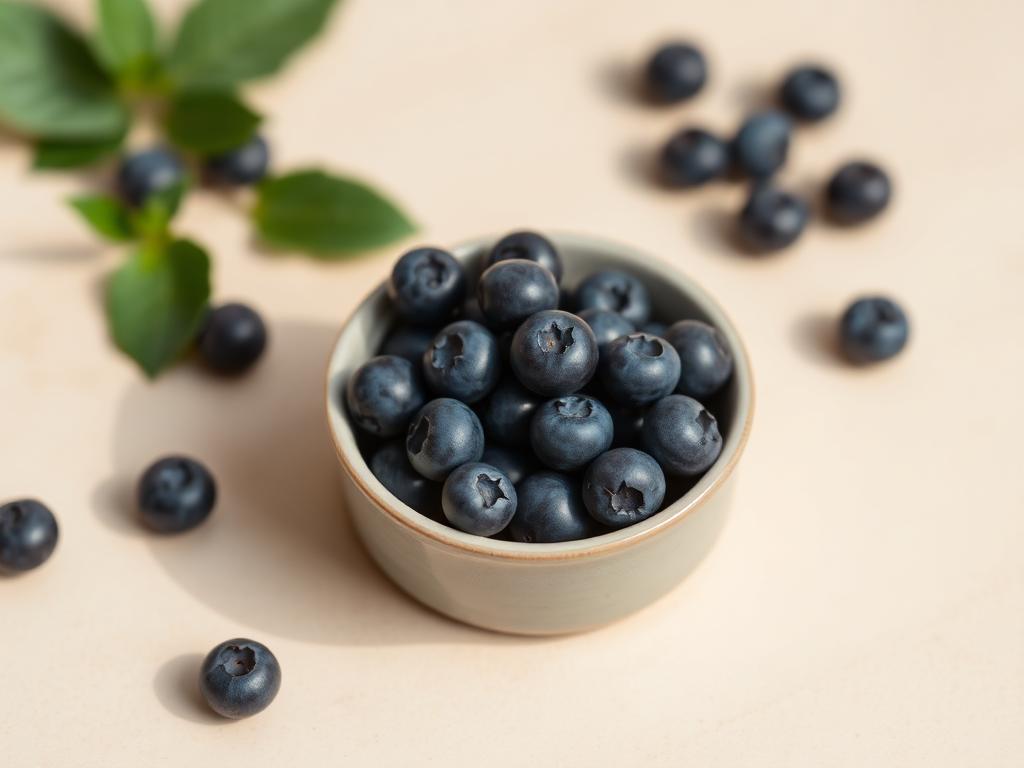
Blueberries are commonly listed among the fruits dogs can eat. They are small, low in fat and contain no parts that are known to be toxic to dogs, which is why they show up so often in homemade treat recipes.
As with any extra food, blueberries should be a small addition to a diet that is already complete and balanced. Treats of all kinds are usually kept to a small share of a dog's daily intake.
The form matters more than the berry. Fresh and plain frozen blueberries are the SAFE choice; frozen ones are hard, so halve or mash them for very small dogs and fast eaters. Plain dried blueberries are more concentrated in sugar, so use fewer, and avoid dried fruit mixes that may contain raisins. Sweetened blueberry products — jam, pie filling, muffins, yoghurts and cereals — are a different food: the added sugar, fat and sometimes xylitol or chocolate are the concern, not the blueberries.
Are Blueberries Good for Dogs?
Blueberries are a low-calorie, water-rich fruit. They contain fibre and vitamin C, and like other dark berries they contain antioxidant compounds.
That does not make them a supplement or a treatment for any condition. Think of them as a reasonable alternative to a processed biscuit rather than as medicine.
Potential benefits
- Low in calories compared with most commercial treats
- Small, soft and easy to portion for training rewards
- Contains fibre, vitamin C and antioxidant compounds
- Can be served frozen as a cooling summer treat
Risks and Things to Know
- Large quantities of any fruit can cause loose stools or an upset stomach
- Frozen berries are hard — they can be a choking risk for very small dogs or fast eaters
- Blueberry-flavoured products (muffins, yoghurts, cereals) often contain sugar, and sometimes xylitol or chocolate, which are not appropriate for dogs
- Any new food can trigger an individual sensitivity
How Much Can Dogs Eat?
Start with one or two berries and see how your dog reacts before offering more.
How much is appropriate depends on your dog's size, body condition, overall diet and any health conditions. A small terrier and a large retriever should not be given the same amount.
A widely used rule of thumb among vets and nutritionists is that treats stay a small portion of daily calories. If you are unsure what that means for your dog, your vet can give you a figure based on their weight.
How Should I Prepare It?
- Wash fresh blueberries before serving.
- Serve plain — no sugar, syrup, yoghurt coating or added flavourings.
- Frozen blueberries can be served as-is for larger dogs, or mashed or halved for small dogs and puppies.
- Avoid dried blueberries with added sugar, and avoid anything baked into human recipes.