The full answer
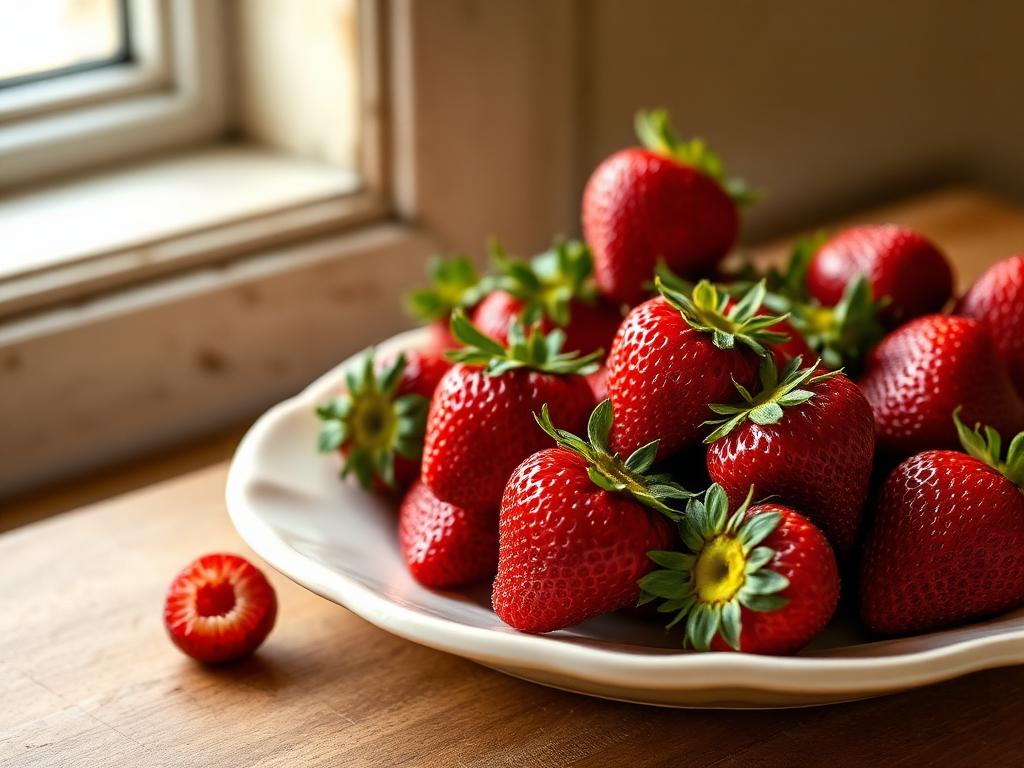
Strawberries are one of the fruits most commonly listed as suitable for dogs, and plain fresh berries are the simplest form to serve. The fruit is mostly water, with some fiber and a mix of vitamins and minerals.
The main things to think about are sugar, size and preparation. Strawberries contain natural sugar, so they belong in the treat part of the diet rather than the meal part. Whole berries can also be awkward for small dogs to chew, which is why cutting them into smaller pieces is usually a good idea.
Processed strawberry products are a different story. Syrups, jams, sweetened yoghurts and dried fruit blends often contain a lot of added sugar, and some sweetened products contain xylitol, which is dangerous to dogs. Plain fresh fruit avoids all of that.
Are Strawberries Good for Dogs?
Plain fresh strawberries, washed and trimmed
Small pieces sized for your dog rather than whole berries
Plain frozen pieces as an occasional warm-weather treat
Potential benefits
- Provides fiber and water alongside natural nutrients
- Low-effort fresh treat that most dogs find appealing
- Easy to portion into very small pieces for training rewards
Risks and Things to Know
- Natural sugar means strawberries are best kept occasional
- Too much fruit at once can cause loose stools or an upset stomach
- Whole berries may be a choking risk for small dogs or fast eaters
- Sweetened strawberry products may contain xylitol or large amounts of sugar
- Individual dogs can react badly to any new food
How Much Can Dogs Eat?
There is no single correct number of strawberries for every dog. The right amount depends on your dog's size, calorie needs, health and the rest of their diet.
A common general principle is that treats — including fruit — should stay a small part of a dog's overall daily calories, with the bulk coming from a complete balanced diet.
Start with a very small amount the first time and see how your dog reacts before offering more.
If your dog has a health condition or is on a prescribed diet, check with your vet before adding fruit.
How Should I Prepare It?
- Wash the berries thoroughly under running water.
- Remove the green leaves and the stem.
- Cut the fruit into pieces suited to your dog's size and chewing style.
- Serve plain, with no sugar, syrup, cream or chocolate.
- For frozen strawberries, cut them before freezing so you are not handing over a hard whole berry.