The full answer
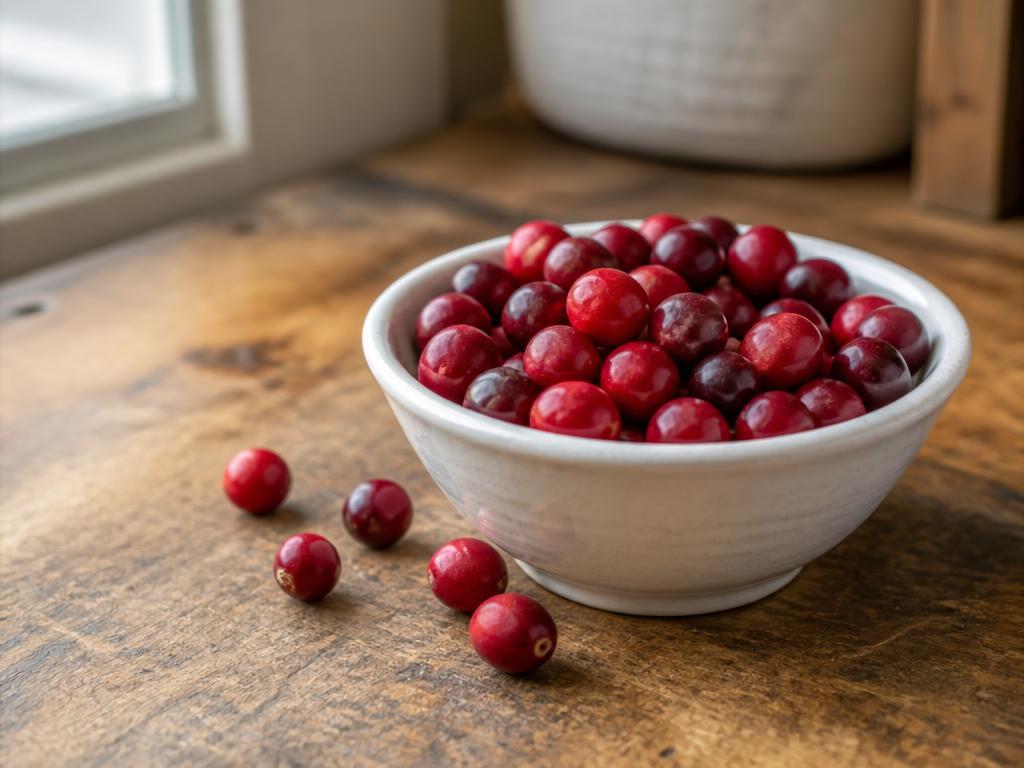
Plain cranberries do not appear on the standard veterinary lists of foods that poison dogs. A few fresh or frozen berries offered as a treat is a low-risk thing to do, and some dogs are genuinely curious about them.
The catch is flavour. Cranberries are sharply tart and most dogs are unimpressed on the first taste. That is not a problem — there is no reason a dog needs to eat them — but it does mean a rejected berry is a perfectly normal outcome rather than a sign that something is wrong.
The bigger practical issue is the form the cranberry arrives in. Dried cranberries are usually sweetened, sometimes heavily, and they often sit in trail mixes alongside raisins and chocolate, both of which are a real problem for dogs. Cranberry sauce, cranberry juice drinks and cranberry-flavoured baked goods are sugar-led products, and some sugar-free versions contain xylitol, which is dangerous to dogs even in small amounts. When we say cranberries are safe, we mean plain berries and nothing else.
We do not make urinary-health claims for cranberries. They are widely marketed that way for people and in some pet supplements, but treating a suspected urinary problem is a job for a vet, not a handful of fruit. If your dog is straining, going more often, or has blood in their urine, book an appointment rather than reaching for berries.
Are Cranberries Good for Dogs?
Cranberries are low in calories and high in water and fibre, which makes them an unremarkable but harmless small treat for a dog who likes them. They are not a food dogs need, and a dog on a complete diet is not missing anything by never eating one. We would treat cranberries as a novelty rather than a nutritional addition.
Potential benefits
- Low in calories, so a few berries barely register against a day of food
- High water content and a little fibre
- Easy to portion — you can hand out one berry at a time
Risks and Things to Know
- Very tart, so many dogs dislike them and some will spit them out
- Eaten in quantity, the fibre and acidity can cause loose stools or an upset stomach
- Dried cranberries are usually sweetened and often sit in mixes containing raisins, which are a serious kidney concern for dogs
- Cranberry sauce, juice drinks and baked goods carry added sugar and sometimes xylitol
- Whole firm berries can be gulped by small dogs — halving them removes that concern
How Much Can Dogs Eat?
A few berries is plenty for most dogs, and one or two is sensible for a small dog trying them for the first time.
Treats of all kinds are best kept to a small share of the day's calories. Offer cranberries on their own the first time so you can tell what caused any reaction.
How Should I Prepare It?
- Use plain fresh or plain frozen cranberries only
- Wash them before offering
- Halve the berries for small dogs to avoid gulping
- Serve plain — no sugar, syrup, yoghurt or sauce
- Skip dried cranberries, cranberry sauce, cranberry juice and cranberry-flavoured baked goods
- Check any sugar-free product for xylitol before it goes anywhere near your dog