The full answer
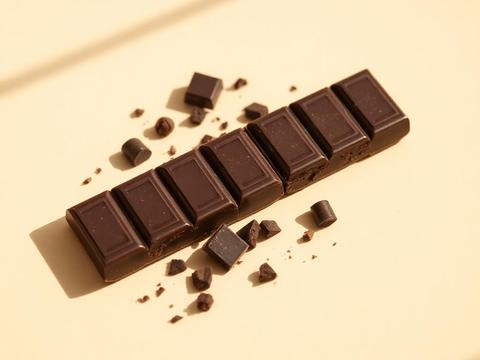
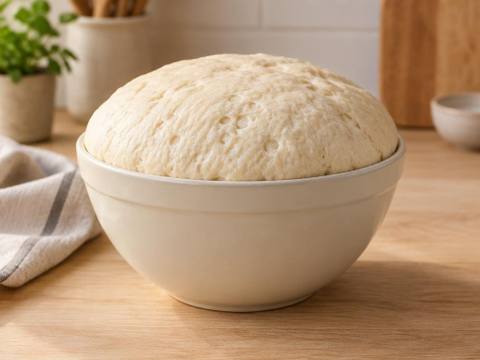
This page covers ethanol reaching a dog in any form: drinks, alcoholic desserts and sauces, liqueur chocolates, spilled glasses, fermenting dough, and alcohol-containing household products such as some hand sanitisers.
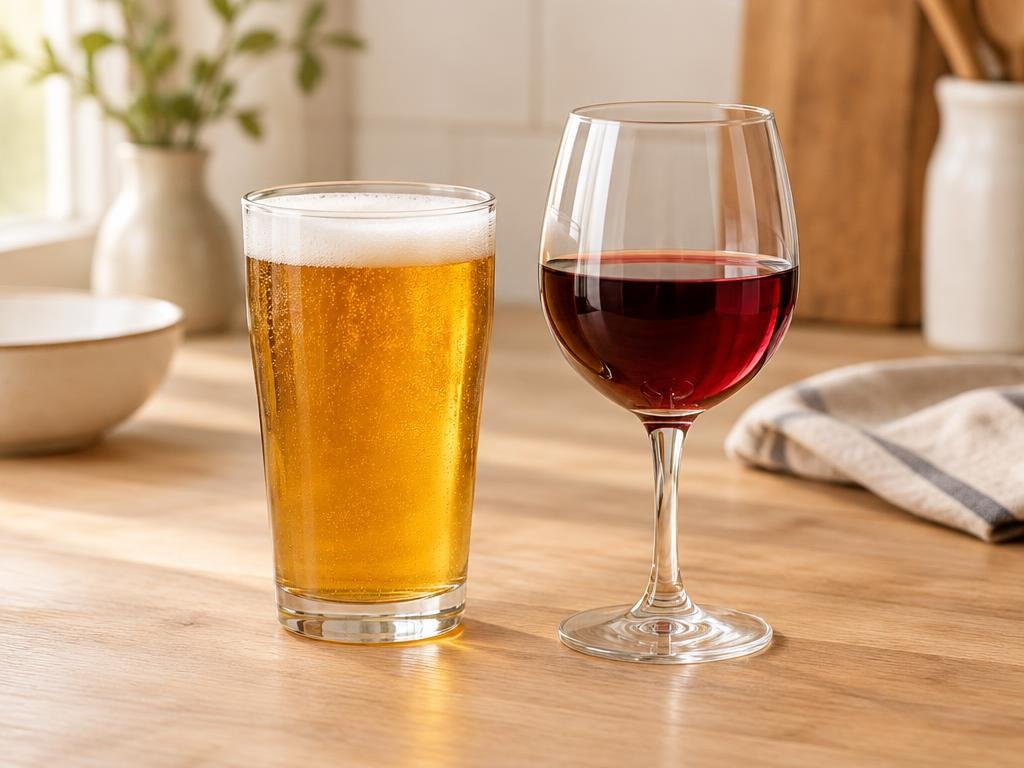
There is no context in which offering a dog beer, wine, spirits, a boozy dessert or a liqueur chocolate is a reasonable thing to do. Alcoholic drinks and food products containing alcohol are listed by the ASPCA among the people foods to avoid, with vomiting, diarrhoea, incoordination, depression, breathing difficulty, tremors, blood-pH changes, coma and death among the reported effects.
Is Alcohol Good for Dogs?
No. Alcohol has no place in anything a dog is given on purpose, and we do not publish a “small amount is fine” figure, because we have no source that supports one.
Most real cases are accidents: a glass left at floor level, a dog licking a spill under the table, a punch bowl, a dropped liqueur chocolate, a dog helping itself to something fermenting. Pet Poison Helpline describes exactly this pattern — licks of mixed drinks, beer or wine, and liquor-centred sweets. An accident is not a moral failure, and it is not automatically the same size of problem as a deliberate drink. What it does require is an honest assessment and, when there is any doubt, a phone call.
Risks and Things to Know
- Call a vet or an out-of-hours emergency vet without delay if you do not know how much was drunk or what strength it was; if the amount could have been more than a lick; if your dog is small, young, old or unwell; if you are dealing with spirits, a sanitiser or an unlabelled product rather than a sip of beer; or if your dog shows any change — wobbliness, vomiting, drowsiness, shivering, disorientation, collapse.
- We publish no safe amount of alcohol, and none of our sources establishes one — a small lick is not a dose we can call harmless. What a spilled drink means for your dog depends on the product, the amount, the dog and any symptoms, so if you do not know exactly what and how much your dog got, or your dog shows any change, contact a vet or a poison service. Uncertainty is a reason to phone, not a reason to wait.
- Some alcohol does not look like alcohol. Fermenting bread dough produces ethanol inside the dog — see our yeast dough page. Merck also names some rubbing alcohols, drug elixirs and alcohol-based hand sanitisers as ethanol sources, and notes that isopropanol is roughly twice as toxic as ethanol and is found in rubbing alcohols and alcohol-based flea sprays. Treat these as poisons to store away, not as household background.
- Do not try to sober a dog up with food, coffee, milk or a walk. Do not induce vomiting unless a vet tells you to. Do not wait for morning to see how it goes — alcohol effects begin quickly, generally within 30–60 minutes of ingestion.
How Much Can Dogs Eat?
None, and we will not estimate a figure. There is no specific antidote and severe cases can be fatal, so no amount is presented here as acceptable.
How Should I Prepare It?
- Keep glasses on high surfaces and wipe spills immediately.
- Tell guests not to offer the dog anything, and give the dog a calm place to be instead of the middle of the party.
- Store hand sanitiser, rubbing alcohol and alcohol-based sprays out of reach.
- Finnish drinking occasions are often exactly the ones where a dog is underfoot: a terrace table at glass height, a sauna evening with cans on the floor, midsummer, Christmas glögi. The practical fix is boring, and it works.