The full answer
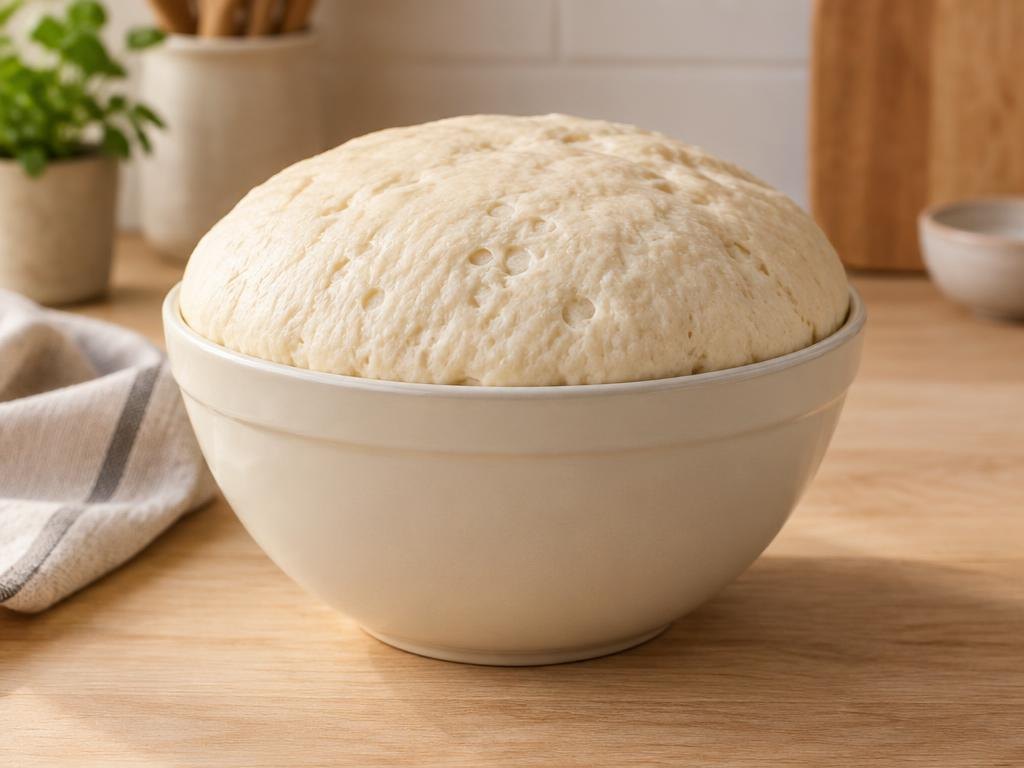
Raw, unbaked dough made with active yeast — bread dough, pizza dough proving on the counter, sourdough starter, bun dough — is one of the few kitchen items we treat as a genuine emergency. If your dog has eaten raw yeast dough, or may have, contact a vet or an emergency vet straight away instead of waiting to see how they look.
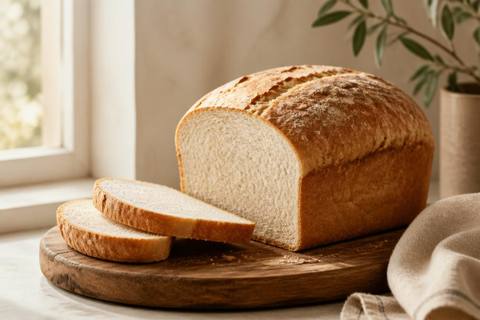
Baked bread is a different question and stays on our bread page. Yeast-free doughs, such as baking-powder batters, are outside this article and are not evaluated here.
Is Yeast dough Good for Dogs?
Baking kills the yeast and the rising is finished. Raw dough still has live yeast in it, and a dog's stomach is warm and moist — the Merck Veterinary Manual describes it as an efficient incubator for yeast replication, with dough expansion causing gastric distension and compromised blood supply to the stomach wall, comparable to gastric dilatation and volvulus; with enough distension, breathing is affected too.
That is why a piece of dough the size of a bun is not the same problem as a slice of bread.
Risks and Things to Know
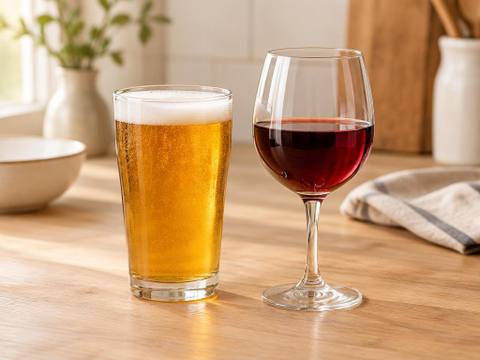
- The second half of the problem is alcohol. Yeast fermentation produces ethanol, which is absorbed into the bloodstream and can cause inebriation and metabolic acidosis. Merck lists fermenting bread dough among the everyday sources of ethanol exposure in companion animals, alongside alcoholic drinks and some hand sanitisers. A dog that has eaten dough can therefore have a mechanical problem and an alcohol problem at the same time.
- Reported early signs include unproductive retching, a distended abdomen and lethargy; as ethanol effects develop, dogs become unsteady and disoriented. We are not listing this so you can decide at home whether it is serious — it is here so you can describe what you are seeing when you phone.
- Dough is usually eaten where it is left to rise: under a tea towel at counter height, in a bowl on a chair, resting in a warm spot near the oven, a sourdough starter in an accessible cupboard, a tray of buns rising before a party. Pet Poison Helpline lists raw bread dough, pizza dough with active yeast and sourdough starter together for this reason.
How Much Can Dogs Eat?
There is no amount of raw yeast dough that we would present as acceptable, and we publish no threshold. This is a hazard where the problem develops over time inside the stomach.
How Should I Prepare It?
- Prove dough inside a closed oven (switched off), in a microwave, or on a shelf the dog cannot reach — not on a table or worktop edge.
- Keep the kitchen door shut while dough rises.
- Put trimmings and failed dough straight into a closed bin.
- If children bake, agree the rule in advance: dough is never handed to the dog.