Can Dogs Eat Asparagus?

LIMIT

LIMIT — plain asparagus is not toxic to dogs, but it is tough to chew raw, so offer only small, soft-cooked, bite-sized pieces.

Asparagus itself is not poisonous to dogs. The concerns are texture and size: raw or woody spears are hard to chew and can cause choking or a blockage, and larger helpings may upset the stomach. The garden plant called asparagus fern is a separate plant and is not the vegetable.

See our guide to vegetables dogs can and can't eat to compare this with the rest of the vegetable list.

On this page
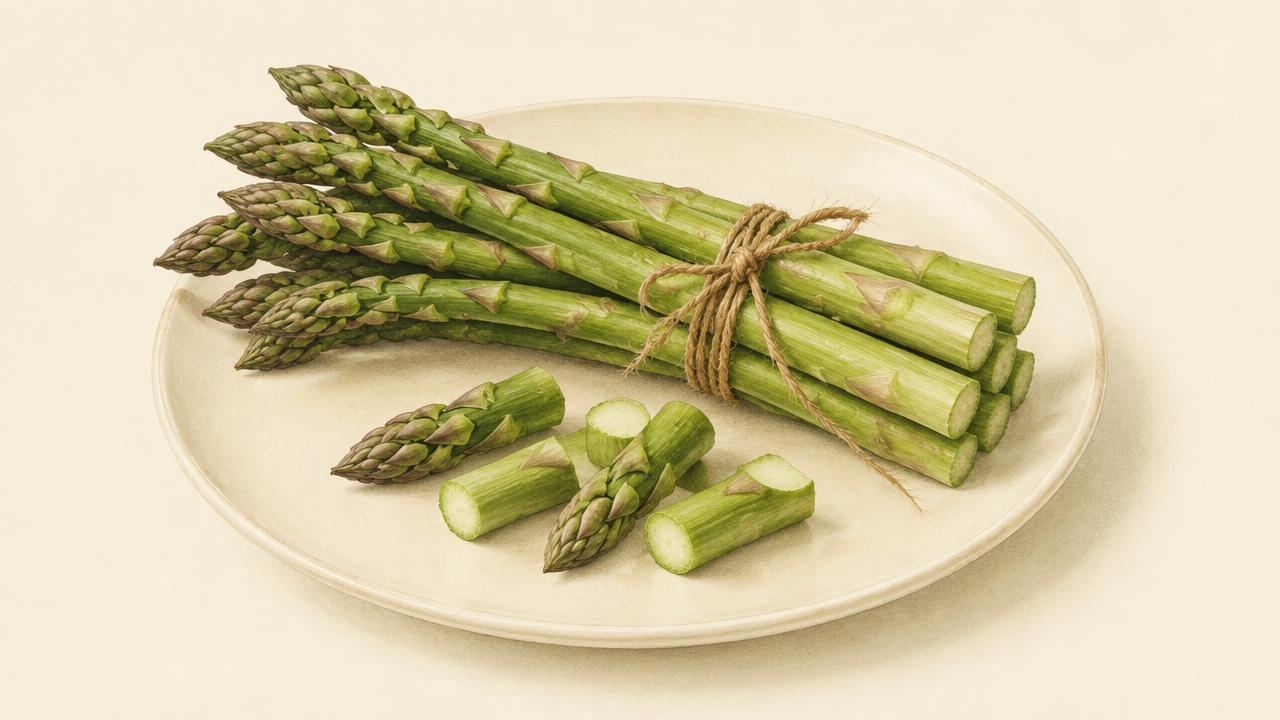
A bundle of fresh green asparagus spears with a few cut pieces on a cream plate

Quick answer

Category
Vegetables
Recommended preparation
Plain, lightly cooked until soft, cut into small pieces
Main concern
Choking or blockage from tough, unchewed pieces
Suitable as everyday food
No

The full answer

Veterinary sources describe asparagus as non-toxic to dogs. The spears are fibrous, though, and raw asparagus can be difficult for a dog to chew properly. Swallowed chunks can be a choking hazard or, less commonly, cause a blockage.

Cooking softens the spears and makes them easier to eat. Plain cooked asparagus, cut small, is the form sources describe as most suitable.

Asparagus prepared for people is often served with butter, oil, garlic, hollandaise or other sauces. Those additions change the answer and are not covered by this page.

“Asparagus fern” is an ornamental plant, not the vegetable. It is listed by the ASPCA as toxic to dogs. Its toxicity does not apply to the asparagus you eat.

Risks and Things to Know

  • Raw or woody spears can be hard to chew and may be swallowed in large pieces.
  • Large pieces are a choking hazard and can occasionally cause a blockage.
  • Larger helpings may cause stomach upset or gas.
  • Butter, oil, garlic and sauces used on asparagus for people are a separate concern.

How Much Can Dogs Eat?

Offer asparagus only as an occasional small extra, not as part of your dog's main diet.

Start with a few small pieces and stop if you see stomach upset.

Do not change a diet formulated for your dog by a veterinary nutrition professional without their advice.

How Should I Prepare It?

  • Wash the spears and trim off the woody ends.
  • Cook plainly — steamed or boiled — until soft, with no butter, oil, salt or seasoning.
  • Cut into small, bite-sized pieces before serving.
What If My Dog Ate Too Much?

If your dog ate a few pieces of plain asparagus and is acting normally, watch for stomach upset.

Contact a vet if your dog is gagging, choking, repeatedly vomiting, straining or seems to have belly pain after swallowing large pieces.

If the asparagus was cooked with garlic, onion or a sauce, check what was in it and ask a vet for advice.

This guide is for general educational purposes and isn't a substitute for advice from your veterinarian. If your dog has eaten something potentially toxic or is showing concerning symptoms, contact a veterinarian promptly.

Frequently Asked Questions

No. Plain asparagus is not described as toxic to dogs. The main concern is that the spears are tough and can be swallowed in pieces that are too large.

It is better not to. Raw asparagus is hard to chew and can be a choking or blockage risk. Plain, soft-cooked pieces are easier for dogs to eat.

Yes, in small amounts, if it is cooked plainly and cut into small pieces. Asparagus cooked with butter, garlic or sauces is a different question.

No. Asparagus fern is an ornamental plant listed by the ASPCA as toxic to dogs. It is not the same as the asparagus vegetable, and its warning does not apply to the vegetable.

It is better to avoid it. Butter and rich sauces add fat, and some sauces contain garlic or onion. Offer only plain asparagus.

Watch closely. Contact a vet if your dog gags, chokes, vomits repeatedly, strains or seems uncomfortable.

How this guide was written

Last updated 29 September 2026. We write from widely published, mainstream pet-health sources and avoid presenting feeding amounts as veterinary prescriptions.

Browse every food in our A–Z guide