Can Dogs Eat Dill?

SAFE

YES — Dill is non-toxic to dogs, and a little plain dill in food is fine.

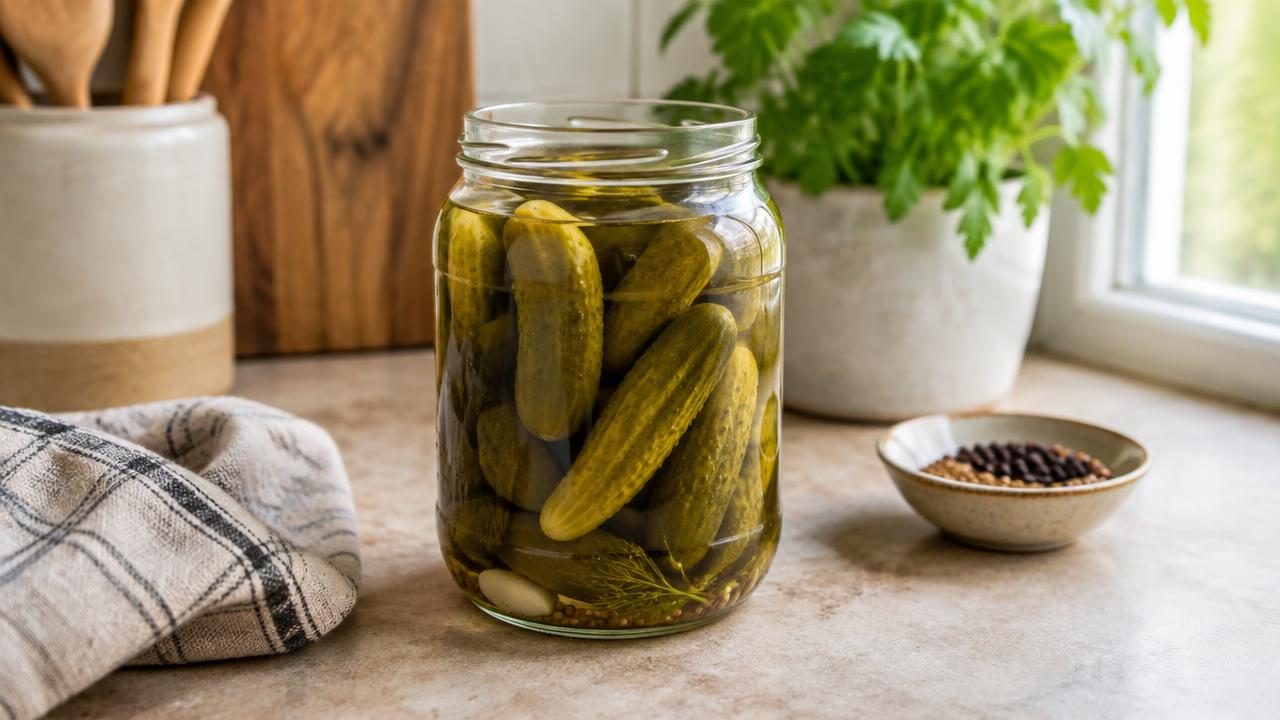
ASPCA lists dill as non-toxic, and PetMD says dill itself is safe. Use it as a plain culinary herb. Dill pickles are a separate topic.

On this page
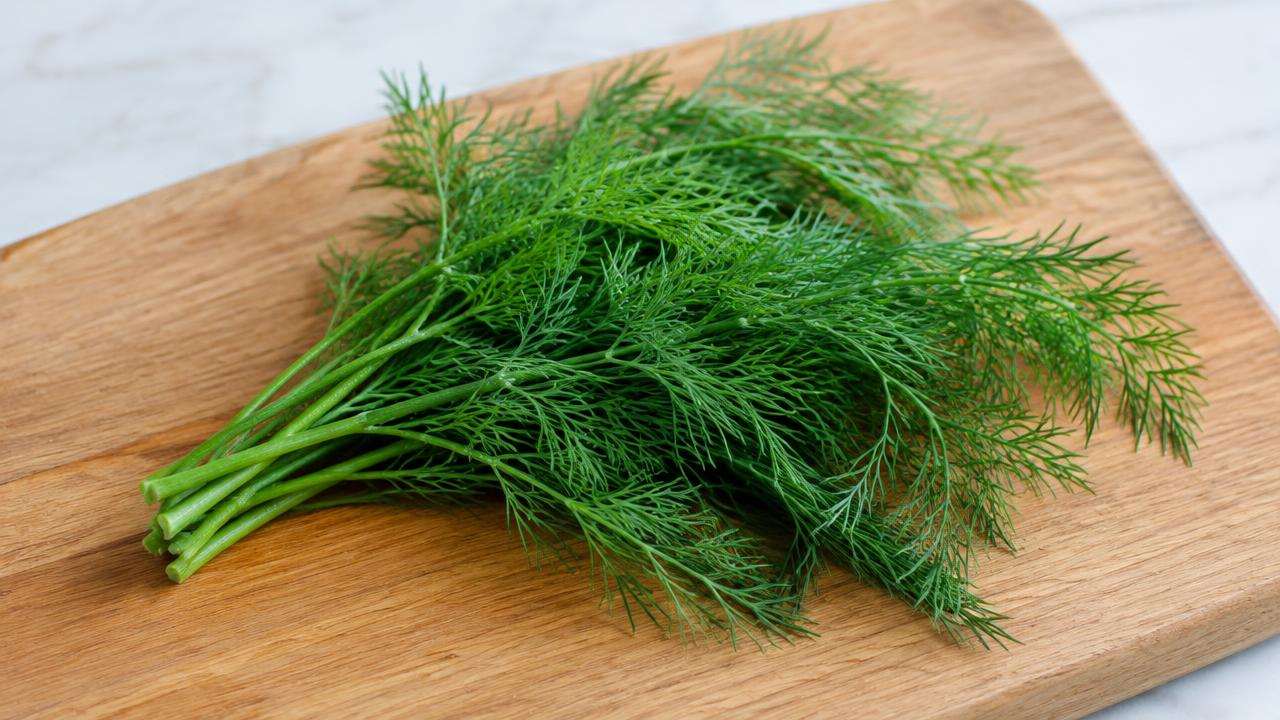
A small bunch of fresh green dill sprigs on a wooden chopping board.

Quick answer

Category
Herbs
Recommended preparation
plain fresh or dried culinary herb
Main concern
dishes and pickles it is used in
Suitable as everyday food
a little in food is fine

The full answer

ASPCA lists dill as non-toxic to dogs. PetMD's pickles article also says that dill itself is safe.

This page covers dill as a plain culinary herb, the small amounts used in cooking. The veterinary guidance we reviewed does not give a feeding amount, so treat it as a flavouring rather than a food in its own right.

Dill is often used in pickles, sauces and dips, which can contain salt, garlic, onion or dairy. Those dishes are not covered here.

Risks and Things to Know

  • Dill pickles are salty and are not recommended (see Pickles).
  • Dill sauces and dips may contain garlic, onion or other unsuitable ingredients.
  • ASPCA notes skin irritation only with prolonged skin contact with the plant.

How Much Can Dogs Eat?

Small culinary amounts only. The veterinary guidance we reviewed does not give a feeding amount.

How Should I Prepare It?

  • Plain fresh or dried dill, chopped into food.
  • Not in pickles, sauces or dips.

What If My Dog Ate Too Much?

If your dog ate a dish containing dill along with garlic or onion, contact your veterinarian.

This guide is for general educational purposes and isn't a substitute for advice from your veterinarian. If your dog has eaten something potentially toxic or is showing concerning symptoms, contact a veterinarian promptly.

Frequently Asked Questions

No. ASPCA lists dill as non-toxic to dogs.

Dill is safe, but pickles are very salty and are not recommended. See our Pickles page.

Only the small amounts used in cooking.

Dill sauces and dips can contain garlic, onion or dairy, so they are not covered.

Either is fine as a plain herb in small amounts.

The veterinary guidance we reviewed does not describe specific benefits. Treat dill as a flavouring.

How this guide was written

Last updated 2 October 2026. We write from widely published, mainstream pet-health sources and avoid presenting feeding amounts as veterinary prescriptions.

Browse every food in our A–Z guide