Can Dogs Eat Bay Leaves?

AVOID

AVOID — Bay laurel is listed as toxic to dogs; do not give bay leaves, and remove whole leaves from food.

ASPCA lists bay laurel as toxic to dogs because of its essential oils. Eating it can cause vomiting and diarrhoea, and swallowing many whole leaves can cause a blockage.

If your dog ate part of a single cooked bay leaf, watch for vomiting or diarrhoea. Contact your veterinarian if your dog ate several leaves, or the dish contained onion or garlic. If your dog is vomiting repeatedly, straining, has a painful belly or stops eating, contact a veterinarian, or an emergency veterinary clinic out of hours, straight away.

On this page
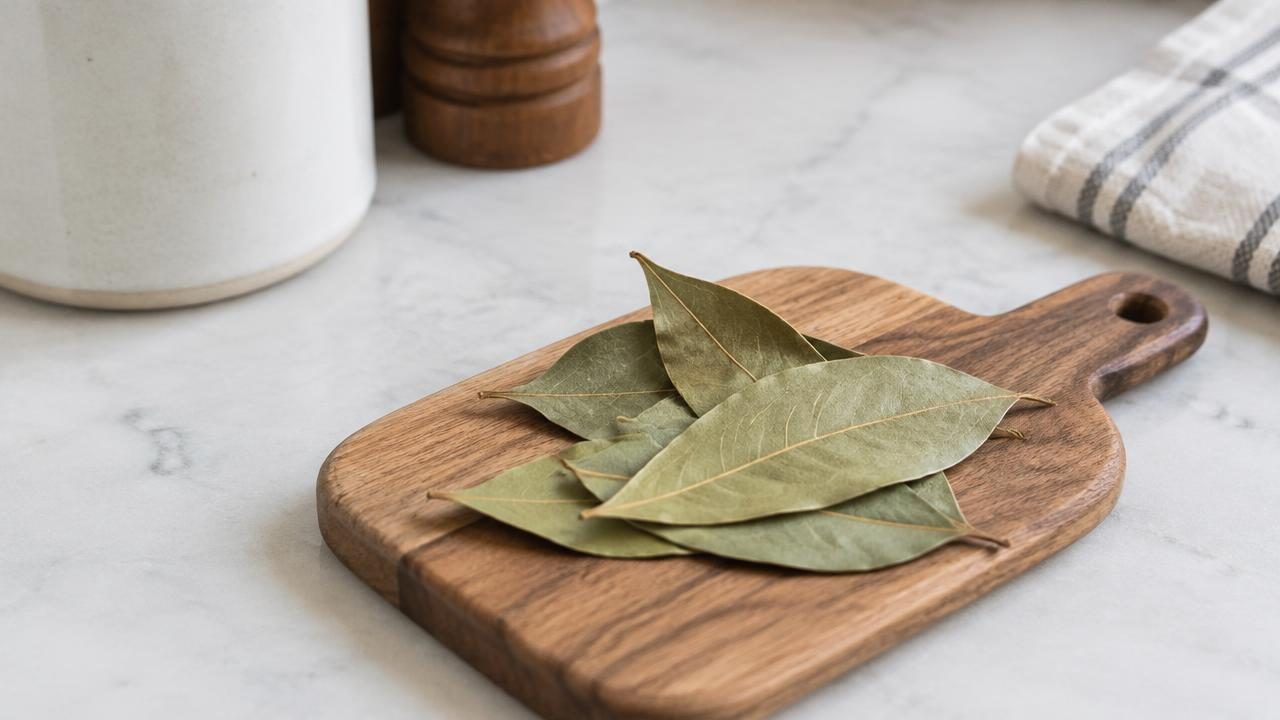
A few dried whole bay leaves on a wooden spice board, out of a dog's reach.

Quick answer

Category
Herbs
Recommended preparation
not recommended; remove whole leaves from cooked food
Main concern
essential oils (stomach upset); whole leaves (blockage)
Suitable as everyday food
no

The full answer

ASPCA lists bay laurel (Laurus nobilis) as toxic to dogs. The listed toxic principles are essential oils, including eugenol.

Signs listed by ASPCA are vomiting and diarrhoea. ASPCA also notes that eating large amounts of whole leaves can cause an obstruction.

The veterinary guidance we reviewed does not give a safe amount, so we do not suggest one. Whole bay leaves should be removed from food before it is shared with dogs. Food that was cooked with a bay leaf is not assessed here.

Risks and Things to Know

  • Vomiting and diarrhoea.
  • Large amounts of whole leaves: risk of blockage.
  • Dishes cooked with bay leaves often contain other unsuitable ingredients, such as onion or garlic.

How Much Can Dogs Eat?

Not recommended. The veterinary guidance we reviewed does not give a safe amount.

How Should I Prepare It?

  • Do not give bay leaves.
  • Remove whole leaves from food and keep the spice jar out of reach.
What If My Dog Ate Too Much?

If your dog ate several whole bay leaves, or is vomiting repeatedly, straining or not eating, contact a veterinarian, or an emergency veterinary clinic out of hours, straight away.

This guide is for general educational purposes and isn't a substitute for advice from your veterinarian. If your dog has eaten something potentially toxic or is showing concerning symptoms, contact a veterinarian promptly.

Frequently Asked Questions

ASPCA lists bay laurel as toxic to dogs. It can cause vomiting and diarrhoea.

Yes. ASPCA notes that large amounts of whole leaves can cause a blockage.

The veterinary guidance we reviewed does not give a safe amount, so we recommend not giving bay leaves.

Remove the whole leaves. These dishes often contain other ingredients such as onion or garlic, so they are not covered here.

Watch for vomiting or diarrhoea. Contact your veterinarian if your dog ate several leaves or shows any signs.

Not necessarily. This page covers culinary bay laurel (Laurus nobilis) only.

How this guide was written

Last updated 2 October 2026. We write from widely published, mainstream pet-health sources and avoid presenting feeding amounts as veterinary prescriptions.

Browse every food in our A–Z guide