Can Dogs Eat Chili peppers?

AVOID

NOT RECOMMENDED — Hot chili peppers can irritate a dog's mouth, throat and stomach; don't feed them.

Capsaicin in chili, jalapeño and cayenne peppers causes irritation and burning. Sweet bell peppers are a different food with their own page.

If your dog has already eaten chili peppers, contact your veterinarian or an animal poison control service straight away — even if your dog seems fine.

See our guide to common toxic foods for dogs for the wider picture.

See our guide to vegetables dogs can and can't eat to compare this with the rest of the vegetable list.

On this page
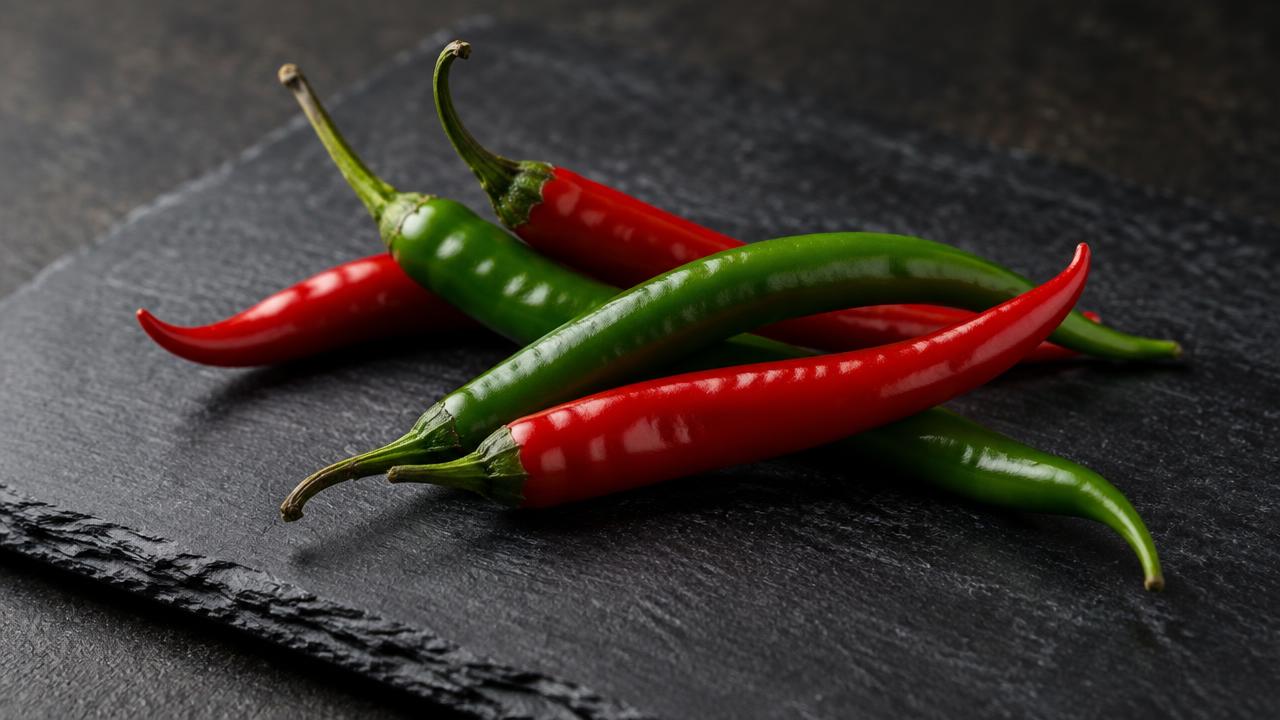
Red and green chili peppers on a dark slate board.

Quick answer

Category
Vegetables
Recommended preparation
do not feed
Main concern
capsaicin irritation
Suitable as everyday food
no

The full answer

Hot peppers such as chili, jalapeño and cayenne contain capsaicin. In dogs it can cause painful burning in the throat and irritation of the stomach.

Veterinary guidance is simply not to feed hot peppers to dogs. This is about irritation, not poisoning.

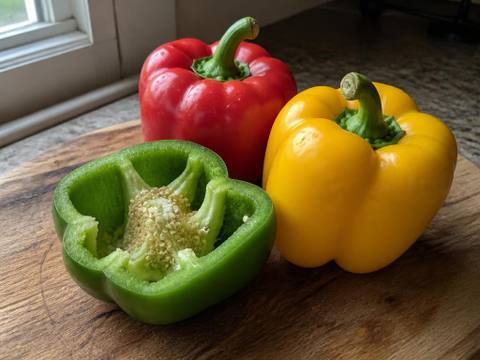
Bell peppers (sweet peppers, called paprika in Finnish) are a different food and have their own page.

Not covered by this rating: Sweet chili sauce, chili sauce, chili con carne and other mixed spicy dishes. They may contain other ingredients, such as onion or garlic.

Risks and Things to Know

  • Painful burning in the mouth and throat; stomach irritation.
What If My Dog Ate Too Much?

If your dog seems in pain or unwell after eating hot peppers, contact your veterinarian.

This guide is for general educational purposes and isn't a substitute for advice from your veterinarian. If your dog has eaten something potentially toxic or is showing concerning symptoms, contact a veterinarian promptly.

Frequently Asked Questions

They aren't described as poisonous, but capsaicin can cause painful irritation, so they're not recommended.

It can cause burning in the throat and irritation of the stomach.

No. Sweet bell peppers don't share this concern and have their own page.

These prepared foods aren't covered by this rating and may contain other unsuitable ingredients.

Contact your veterinarian if your dog seems in pain or unwell.

How this guide was written

Last updated 1 October 2026. We write from widely published, mainstream pet-health sources and avoid presenting feeding amounts as veterinary prescriptions.

Browse every food in our A–Z guide