Can Dogs Eat Beets?

LIMIT

LIMIT — small amounts of plain, cooked beets (beetroot) are acceptable for most healthy dogs, but pickled or canned beets are not the same thing.

Beets are not poisonous to dogs, but they are best kept to small amounts. They contain oxalates, which matter for dogs prone to bladder stones, and natural sugar. They may upset the stomach and can turn stool or urine red or pink. Pickled beets and canned beets with added salt or sugar are a separate question.

See our guide to vegetables dogs can and can't eat to compare this with the rest of the vegetable list.

On this page
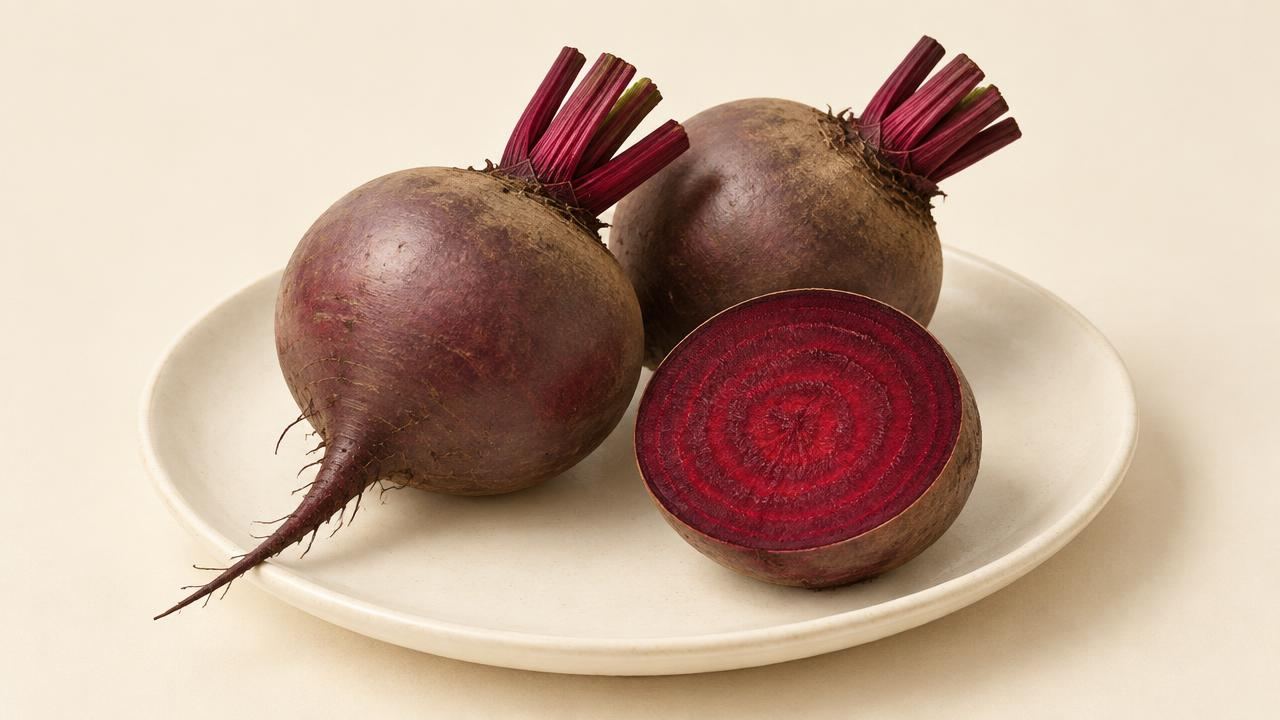
Two whole raw beetroots and a halved beetroot showing deep red flesh on a cream plate

Quick answer

Category
Vegetables
Recommended preparation
Plain, cooked, peeled and cut small
Main concern
Oxalates, natural sugar and stomach upset
Suitable as everyday food
No

The full answer

Veterinary sources describe small amounts of plain beets as acceptable for dogs. In the UK and Europe the same vegetable is usually called beetroot.

Beets contain oxalates. Sources warn that large amounts can contribute to bladder stones in some pets and advise against beets for dogs with a history of stones. Ask your vet first if that applies to your dog.

Beets also contain natural sugar and carbohydrates, which is one reason to keep portions small, particularly for dogs with diabetes or weight concerns.

Beets can cause stomach upset and often turn stool, and sometimes urine, red or pink. That colour change is expected and on its own is not a sign of bleeding, but contact a vet if you are unsure or if your dog seems unwell.

Pickled beets are made with vinegar, salt and often sugar and spices. Canned beets may have added salt or sugar. These are not the same as plain beetroot. Beet juice is also a different question from the plain vegetable.

Risks and Things to Know

  • Oxalates: not suitable for dogs prone to bladder stones.
  • Natural sugar and carbohydrates: keep portions small, especially for diabetic or overweight dogs.
  • Stomach upset is possible.
  • Red or pink stool or urine can follow and can be alarming if you are not expecting it.
  • Pickled beets and canned beets with added salt or sugar are not plain beetroot.

How Much Can Dogs Eat?

Offer only a small amount occasionally, as an extra.

Ask your vet first if your dog has had bladder stones or has diabetes.

Do not change a diet formulated for your dog by a veterinary nutrition professional without their advice.

How Should I Prepare It?

  • Wash, peel and cook plainly — boiled, steamed or roasted with nothing added.
  • Cut into small pieces or mash.
  • Do not use pickled beets, and check canned beets for added salt or sugar.
What If My Dog Ate Too Much?

If your dog ate a lot of plain beets, watch for stomach upset. Red or pink stool is expected.

Contact a vet if vomiting or diarrhoea continues, if your dog has a history of stones or diabetes, or if you are unsure whether the colour is from the beets.

If your dog ate pickled beets, check the jar for onion, garlic or large amounts of salt, and ask a vet if any are present.

This guide is for general educational purposes and isn't a substitute for advice from your veterinarian. If your dog has eaten something potentially toxic or is showing concerning symptoms, contact a veterinarian promptly.

Frequently Asked Questions

No. Plain beets are not described as toxic to dogs. They are best kept to small amounts because of their oxalates and natural sugar.

Yes. Beetroot is the usual name in the UK and Europe, and beets is common in North America. This page covers both.

Cooked is easier. Raw beetroot is hard, so if you share it, cook it plainly and cut it small.

It is better not to. Pickled beets are made with vinegar, salt and often sugar and spices, so they are not the same as plain beetroot.

Beets commonly turn stool, and sometimes urine, red or pink. If you are not sure the colour is from beets, or your dog seems unwell, contact a vet.

Sources advise against beets for dogs with a history of bladder stones because of their oxalate content. Ask your vet.

How this guide was written

Last updated 29 September 2026. We write from widely published, mainstream pet-health sources and avoid presenting feeding amounts as veterinary prescriptions.

Browse every food in our A–Z guide