Can Dogs Eat Figs?

LIMIT

LIMIT — fresh fig flesh is not toxic to dogs in small amounts, but fig leaves, stems, sap and the plant itself are not food, and dried figs are very sugary.

A small piece of ripe, fresh fig is acceptable for most healthy dogs as an occasional extra. Too much fruit can cause diarrhoea. The fig plant is different: its leaves, stems and sap can irritate the mouth, stomach and skin. Dried figs and fig-filled biscuits are concentrated sugar.

See our guide to fruits dogs can and can't eat to compare this with the rest of the fruit list.

On this page
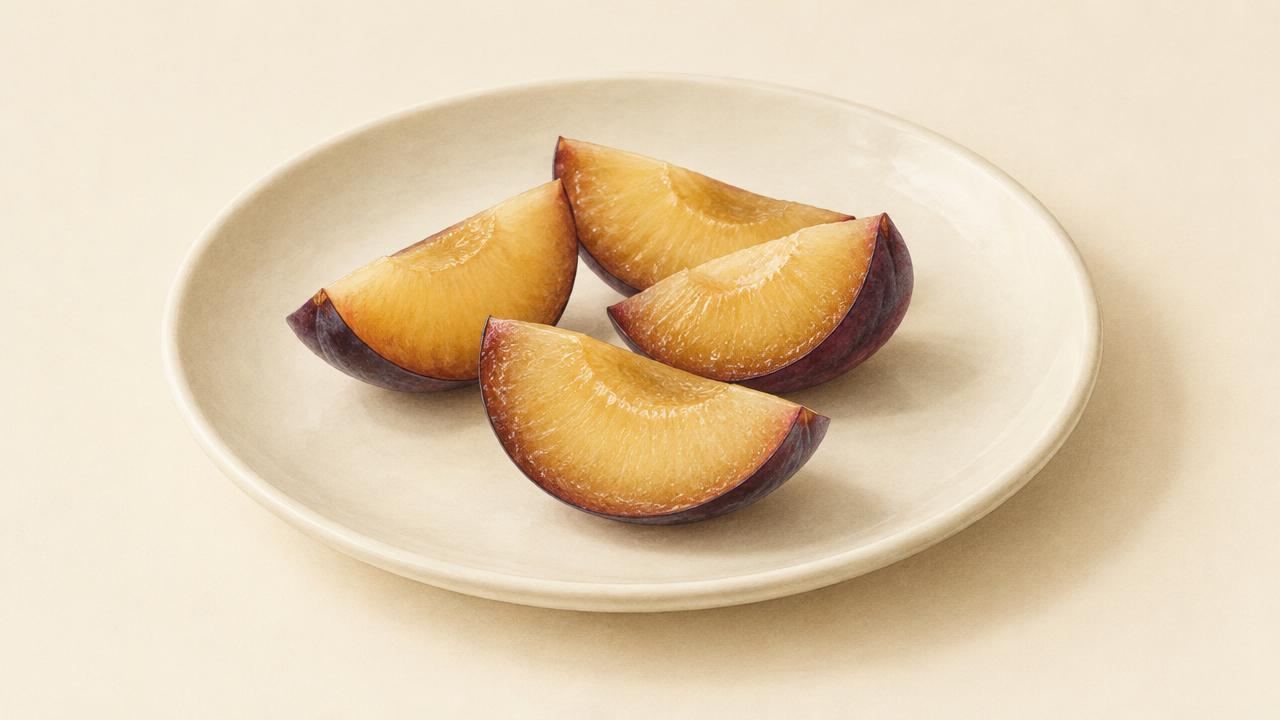
A fresh fig cut in half showing its pink flesh

Quick answer

Category
Fruit
Recommended preparation
Fresh, ripe flesh only, in small pieces
Main concern
Plant parts and sap; sugar in dried figs
Suitable as everyday food
No

The full answer

PetMD and the American Kennel Club both describe fresh figs as not toxic to dogs when prepared properly. Both advise only a small amount as an occasional treat.

The fruit and the plant are different. Both sources warn against letting dogs eat fig leaves, stems, bark or other plant material. PetMD advises veterinary care after fig plant material is eaten. The ASPCA lists the weeping fig (Ficus benjamina), a common houseplant, as causing stomach and skin irritation because of its sap compounds. Contact a veterinarian promptly if your dog ate fig plant material.

Dried figs have their sugar concentrated by drying, so they are not a good treat, especially for dogs that are overweight or have diabetes. Fig biscuits and fig bars add sugar and other ingredients.

Figs contain a lot of fibre and natural sugar, and eating several can have a laxative effect.

Risks and Things to Know

  • Leaves, stems, bark and sap can irritate the mouth, stomach and skin.
  • Too much fruit can cause diarrhoea or vomiting.
  • Dried figs and fig biscuits are very sugary.
  • Large pieces can be a choking hazard for small dogs.

How Much Can Dogs Eat?

Offer only a small piece of fresh fig as an occasional extra, not a regular part of meals.

Try a tiny piece first and stop if you see stomach upset.

Do not change a diet formulated for your dog by a veterinary nutrition professional without their advice.

How Should I Prepare It?

  • Wash the fig and remove the stem and any leaves.
  • Cut the soft, ripe flesh into small pieces.
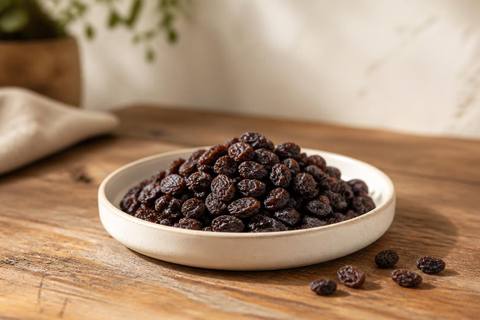
  • Do not offer dried figs, fig jam, fig bars or biscuits.

What If My Dog Ate Too Much?

If your dog ate a lot of fresh fig, expect possible loose stools. Keep water available and watch for vomiting or diarrhoea that does not settle.

Contact a veterinarian promptly if your dog chewed or ate fig leaves, stems, bark, sap or other fig plant material. Seek care promptly as well if you notice drooling, pawing at the mouth, vomiting or skin irritation.

This guide is for general educational purposes and isn't a substitute for advice from your veterinarian. If your dog has eaten something potentially toxic or is showing concerning symptoms, contact a veterinarian promptly.

Frequently Asked Questions

Fresh fig flesh is not toxic to dogs. The leaves, stems, sap and the plant itself are different and should not be eaten.

It is better not to. Drying concentrates the sugar, so dried figs are not a good treat, especially for overweight or diabetic dogs.

No. They contain added sugar and other ingredients. Offer only plain fresh fig.

Yes, they can cause stomach and skin irritation. Contact a veterinarian promptly if your dog chewed or ate leaves, stems, bark, sap or other fig plant material.

They are related plants. The weeping fig houseplant is not the fruit, and the ASPCA lists it as irritating to dogs.

PetMD says the skin is non-toxic but notes that puppies may find it hard to digest.

How this guide was written

Last updated 30 September 2026. We write from widely published, mainstream pet-health sources and avoid presenting feeding amounts as veterinary prescriptions.

Browse every food in our A–Z guide