The full answer
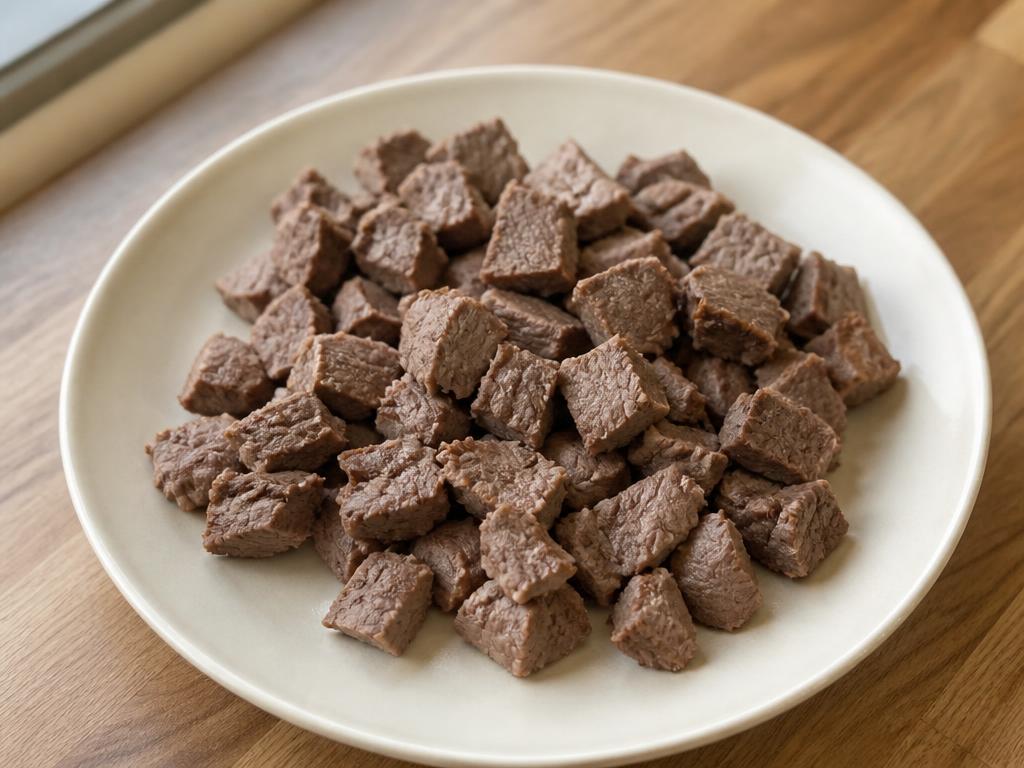
Lamb is a straightforward meat for dogs. Plain, fully cooked, boneless lamb is a normal source of protein, and lamb is a common ingredient in commercial dog foods — it is not an exotic or risky choice.
Cook it through. Raw and undercooked meat carries a risk of bacteria such as Salmonella and Campylobacter, which can make a dog ill and can also be shed in the household. Cooked plainly, with no oil or seasoning, is the version we recommend.
Bones are the part that causes real harm. Cooked lamb bones, including chop bones and shank bones, splinter and are a well-recognised cause of choking, mouth injuries, obstructions and perforations. Every bone should be off the plate before your dog gets near it, and lamb bones do not belong in a bin your dog can open either.
Fat is the other issue. Lamb is a fatty meat, and fat trimmings, roast drippings and gravy are heavy going for a dog. A sudden large amount of fatty food is associated with pancreatitis, which is painful and sometimes serious. Trim the fat, lose the crackling and skip the gravy.
Finally, lamb is often sold to owners as a hypoallergenic meat. That is not how food allergies work. A dog can react to any protein, including lamb, and lamb is only useful in an exclusion diet if the dog has never eaten it before — which is increasingly rare now that it is a mainstream ingredient. Diagnosing and managing a suspected food allergy is a job for your vet, not a supermarket meat choice.
Is Lamb Good for Dogs?
Lamb is a complete animal protein with iron, zinc and B vitamins, and it makes a well-liked, high-value training treat because most dogs find it very appealing. That said, a dog on a complete diet already gets the protein they need, so plain lamb is best thought of as a treat or a topper rather than a nutritional upgrade. Home-prepared meat-based diets need professional formulation to be balanced.
Potential benefits
- Complete animal protein with iron, zinc and B vitamins
- Highly palatable, which makes it useful for training or tempting a fussy eater
- Easy to portion into small, plain training-sized pieces
Risks and Things to Know
- Cooked lamb bones splinter and are a serious choking, obstruction and perforation risk
- Lamb is fatty, and a large amount of fat is associated with pancreatitis
- Raw or undercooked lamb carries a bacterial risk for the dog and the household
- Roast lamb is usually seasoned with salt, herbs, garlic or onion, and served with gravy — none of which suit dogs
- Lamb is not automatically hypoallergenic, and it does not treat food allergies
- Processed lamb products such as sausages, kebab meat and mince mixes are salty and often contain onion or garlic
How Much Can Dogs Eat?
A few small pieces is a reasonable treat for a medium dog, and one or two for a small dog. Treats of all kinds are best kept to a small share of the day's calories.
If you want lamb to be a regular part of meals rather than a treat, talk to your vet about how it fits the overall diet. Dogs with pancreatitis, a history of it, or on a fat-restricted diet should not be given fatty meat without veterinary guidance.
How Should I Prepare It?
- Choose a lean cut and trim visible fat before cooking
- Cook it thoroughly — no rare or raw lamb
- Remove every bone, including small chop bones
- Cook plain: no oil, salt, herbs, marinade, garlic or onion
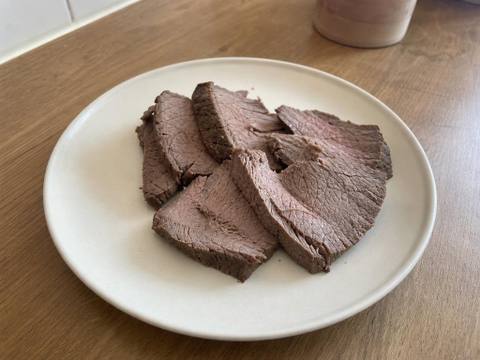
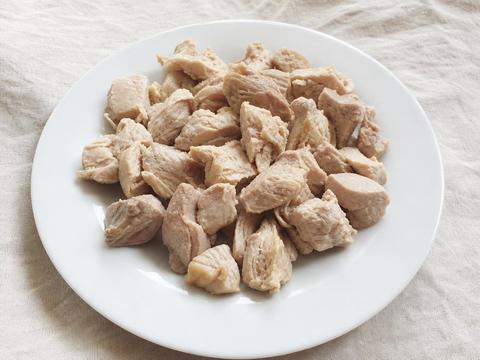
- Cut into small pieces suited to your dog's size and let it cool
- Skip gravy, roast drippings, crackling, sausages and processed lamb products
- Bin bones and fat where your dog cannot get to them